


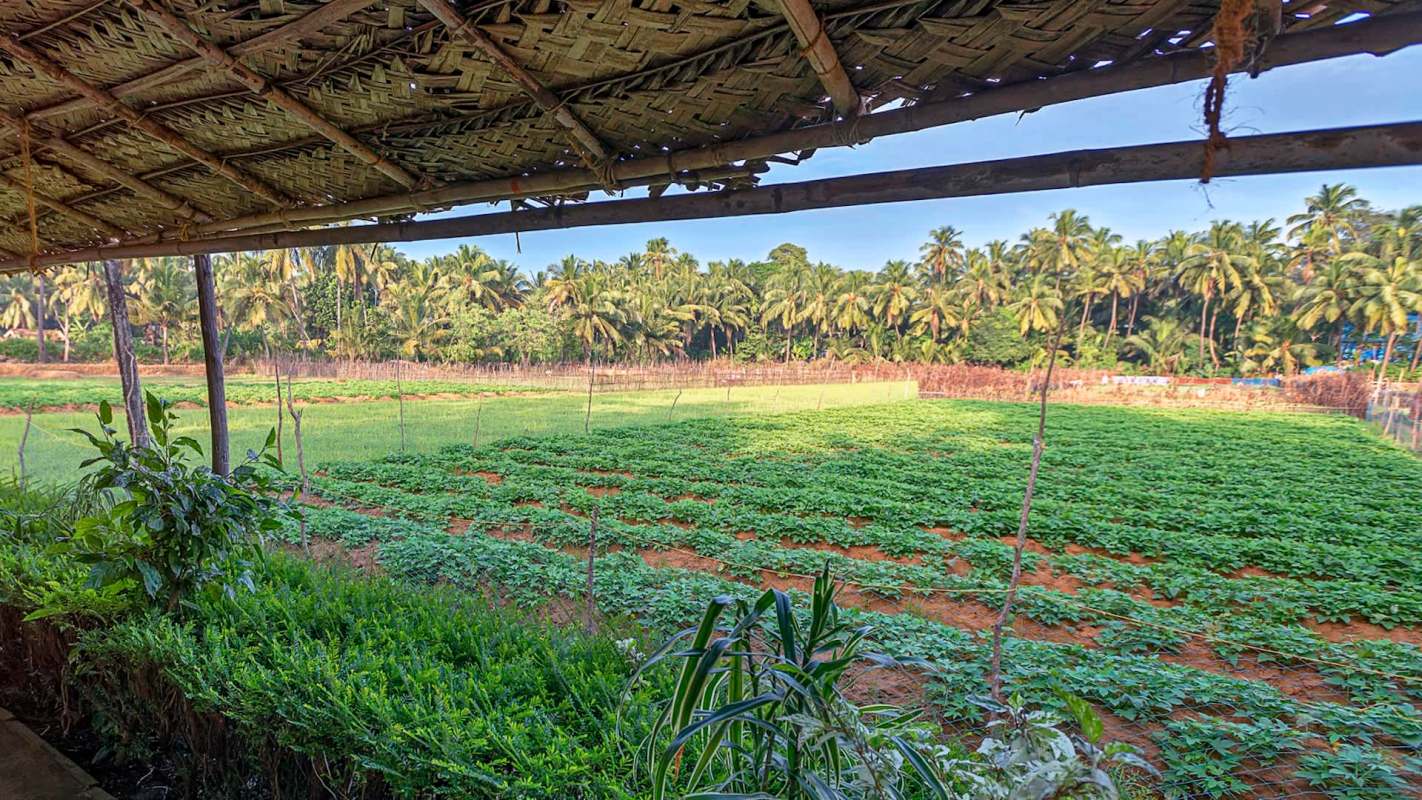
Heavy monsoon rains in Bengaluru, India, caused substantial damage to avarekai (also known as Indian broad beans or hyacinth beans), reported NewsFirst Prime. The loss has put both farmers and consumers in a difficult position.
What's happening?
According to NewsFirst Prime, the price of the popular Indian staple has risen to between 80 and 400 rupees per kilogram (roughly $1.96 to $9.75 per pound) due to reduced supply.
Some customers who typically purchase it in bulk during the peak winter season are purchasing less or not at all.
"By now, the price of a [kilogram] of avarekai should have stabilised at around ₹40 to ₹50 [$0.45 to $0.55]. But it is still as high as ₹80 [$0.89]," Neelamma, an avarekai vendor in Bengaluru, told The Hindu.
NewsFirst also noted that retail prices of drumsticks (the seed pods of the Moringa tree used in many regional dishes) have recently risen.
Drumsticks cost around 600 rupees per kilogram (approximately $14.63 per pound) this past December due to torrential monsoon rains in 2025. In November, a kilogram of drumsticks would have cost between 150 and 200 rupees (around $3.65 to $4.88), according to News18.
TCD Picks » Quince Spotlight
💡These best-sellers from Quince deliver affordable, sustainable luxury for all




Why are soaring vegetable prices in India concerning?
Farmers depend on reliable crop yields for their income and to keep food on the table.
With erratic weather affecting harvests of staple vegetables, it can be challenging for them to make ends meet. Even with government support and farming strategies that adapt to the climate, it might not be enough. Reduced supplies mean consumers pay more for groceries and may have to visit multiple shops to find what they need.
News18 also reported that drumsticks are important for meeting the nutritional needs of many in India, particularly children and older people. Given the vegetable's high cost, families may have to substitute it with other produce that is less nutrient-dense.
India is among the countries hardest hit by extreme weather events due to its geographic location, high population density, and socioeconomic factors. Heavy monsoon rains in 2025 caused massive losses of grape and pepper varieties for farmers as well.
|
What's the most you'd pay per month to put solar panels on your roof if there was no down payment?
Click your choice to see results and speak your mind. |
 $200 or more 💰
 What can be done to help?
The Hindu noted that favorable weather conditions are helping avarekai crops recover, so the markets should be restocked soon. News18 reported that some households and restaurants are temporarily switching to cheaper, more readily available vegetables. The change has, however, affected certain ceremonial and festive activities.
Domestically, the U.S. Department of Agriculture recommends that farmers rotate crops to mitigate heavy losses and enhance flood resilience. The Council on Energy, Environment and Water — a think tank based in India — noted that crop rotation is a "vital traditional farming system" in India as well. One group of women in India found that installing solar pumps for crop irrigation is helping them increase food production, support fellow farmers, and achieve economic independence.
One of the best ways to help farmers worldwide ensure food security and economic stability is to buy food locally when possible. Switching to energy-efficient appliances and vehicles, which can help cool the planet and save money on utility bills, can also help.

Get TCD's free newsletters for easy tips to save more, waste less, and make smarter choices — and earn up to $5,000 toward clean upgrades in TCD's exclusive Rewards Club.







