


In the shadow of the coal industry, already struggling communities across the U.S. could see long-promised cleanup efforts stalled after lawmakers moved to redirect hundreds of millions of dollars meant to address lingering damage from decades of mining.
What's happening?
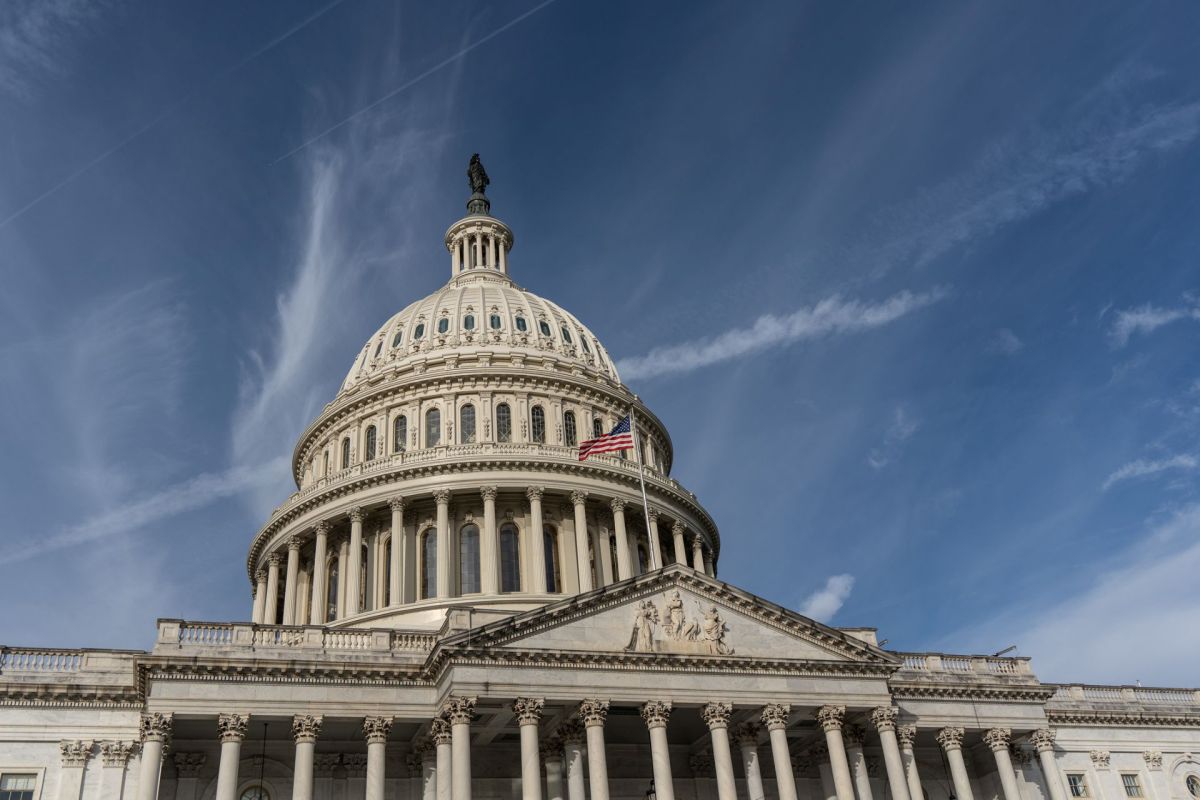
The House of Representatives passed a bill in early January that would repurpose $500 million earmarked for remediating environmental and safety hazards caused by a century of coal mining.
The Infrastructure Investment and Jobs Act, signed in 2021, authorized more than $11 billion in new funding to reclaim lands and waterways damaged by abandoned mines.
However, the House passed an appropriations bill that would redirect $500 million in funding to pay for wildland fire management.
A cloture motion for the bill was presented in the Senate on Jan. 13; if it passes in that chamber, it must be signed by the president to take effect.
According to Inside Climate News, states like Pennsylvania will be hurt the most, even as all but one of their representatives voted for the bill.
TCD Picks » Quince Spotlight
💡These best-sellers from Quince deliver affordable, sustainable luxury for all




Pennsylvania has the highest number of abandoned coal mines of any state, which continue to ignite underground fires, cause sinkholes, and contaminate 5,500 miles of waterways.
"Congress is taking back money again to continue to punish the impoverished communities that have been suffering for a century," said former head of the federal Office of Surface Mining Reclamation and Enforcement Joe Pizarchik.
Why is this concerning?
Abandoned coal mines continue to contaminate water, soil, and air with acid mine drainage (AMD), heavy metals, methane, and sediment, harming wildlife and rendering rivers unusable for fishing or recreation, according to the National Park Service.
These pollutants can move up the food chain through biomagnification, causing animals to die or lose the ability to reproduce, as the EPA warned.
|
Do you think America has a plastic waste problem? Click your choice to see results and speak your mind. |
 Definitely 👍
 Abandoned mines limit development, tourism, and job creation, prolonging economic decline in areas already hit hard by the coal industry's downturn, locals say.
In some Appalachian communities, cleanup funds have been used to build public water lines in areas where drinking water was rendered unsafe by abandoned mines.
"We're horribly disappointed," said Amanda Pitzer, executive director at Friends of the Cheat, a nonprofit organization in West Virginia that works to restore the Cheat River watershed through treatment systems that clean up acid mine drainage.
"Less money means less reclamation, period," Pitzer added.
What's being done about it?
Advocacy groups and local officials have urged the Senate to block the funding shift, warning it could set a precedent for further reductions.
Organizations like Friends of the Cheat and Appalachian Voices continue pushing for mine cleanup as a path toward safer water, restored ecosystems, and long-term economic recovery.
For residents living with the consequences of unregulated corporate activity and past generations' actions, taking local action and talking with friends and family about climate issues can be pivotal in pressuring lawmakers to effect change.

Get TCD's free newsletters for easy tips to save more, waste less, and make smarter choices — and earn up to $5,000 toward clean upgrades in TCD's exclusive Rewards Club.






