


Last Energy, a nuclear tech startup, is nearing its first reactor deployment with help from a $100 million funding infusion from an investor group, the company announced in December.
The Texas-based enterprise is building a microreactor as part of a U.S. Department of Energy-backed program in partnership with Texas A&M. The plan is to bring the pilot PWR-5 and subsequent PWR-20 units online quickly to help meet growing data center power demand and other energy needs, according to a news release.
NPR has noted that household power bills are increasing faster than inflation, making abundant and low-pollution energy increasingly important.
Last Energy's goal is a demonstration in 2026.
"Ensuring steady access to clean power is critical to enabling the next wave of industrial and economic growth," Galaxy Interactive general partner Sam Englebardt said. Galaxy is one of the investors.
Small modular reactors, or SMRs, can produce up to 300 megawatts of electricity per unit — or about a third of the power of conventional plants, according to the International Atomic Energy Agency. But they are less expensive to build and can be transported to remote sites.
TCD Picks » Quince Spotlight
💡These best-sellers from Quince deliver affordable, sustainable luxury for all




Last Energy's PWR-5 pilot is designed for 5 megawatts of production; its modular, scalable PWR-20 technology is designed for a 20-megawatt capacity.
The World Nuclear Association's project tracker is following dozens of SMR projects in North America, with many more in the works around the world. Westinghouse is developing one set to go online in Saskatchewan within the decade.
Last Energy's product sounds about as high-tech as you'd expect for a nuclear reactor. A hermetic steel containment hull uses pressurized water and "off-the-shelf" fuel to generate incredible heat as atoms are split through fission. The heat is used to make steam for energy production, according to the news release.
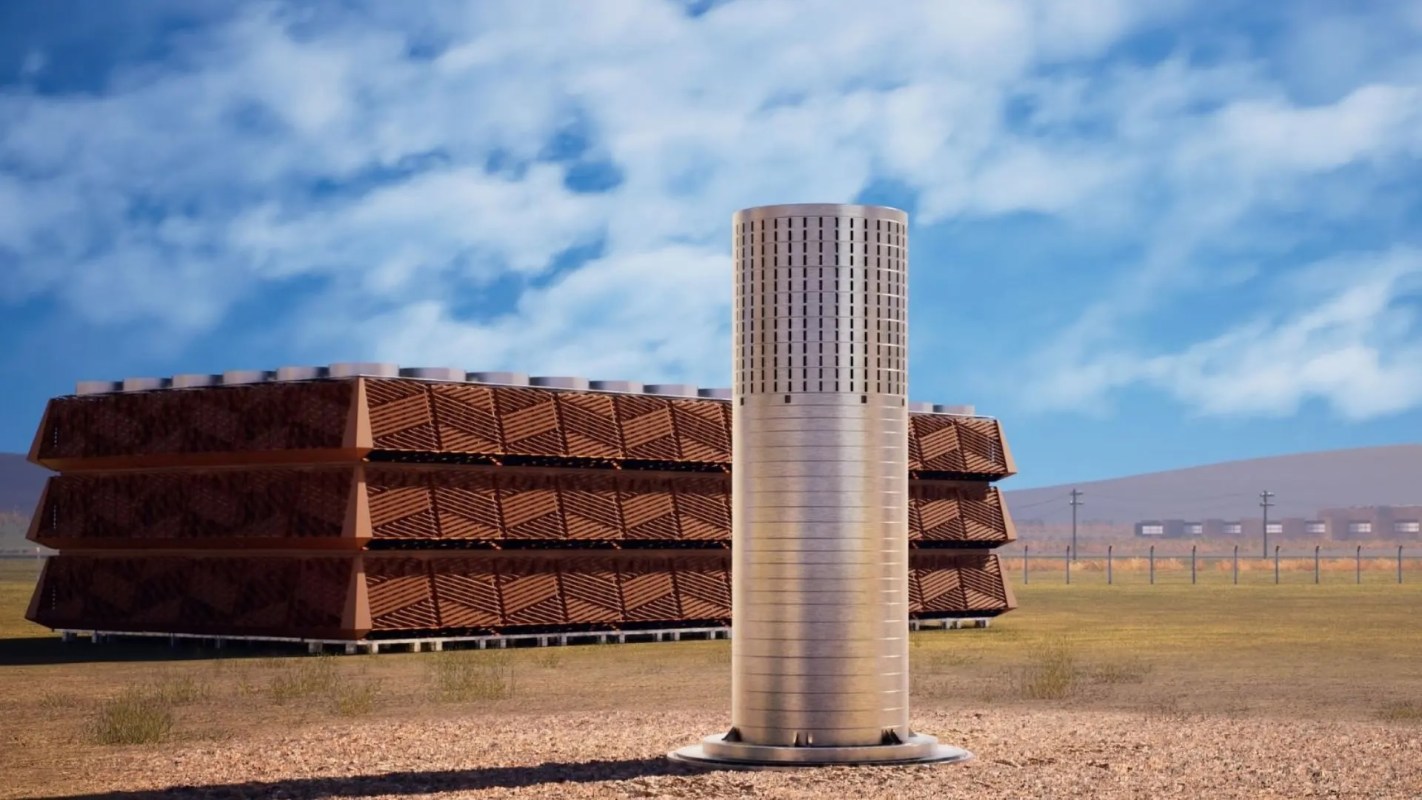
A rendering of a PWR-20 microreactor provided by the company shows a vertical cylinder with some equipment in the background. It's hard to judge the size of the tech in the image, but a spec sheet says the PWR-20 will have a footprint of 0.3 acres.
|
What's the most you'd pay per month to put solar panels on your roof if there was no down payment?
Click your choice to see results and speak your mind. |
 $200 or more 💰
 While Last Energy's "off-the-shelf" fuel description calls to mind a stop at the grocery store, it's not that simple. The fission reactor requires radioactive material — and nuclear waste is part of the drawbacks of SMRs cited by the Union of Concerned Scientists.
In a five-point challenge, the expert group said that SMRs aren't ultimately cheaper, safer, or a realistic long-term solution for growing energy demand. There's also a list of rare, yet catastrophic nuclear accidents from around the world to lend credence to concerns.
The group's Ed Lyman wrote that SMRs may even be more dangerous than larger plants, partly because of reduced safety regulations to speed their development.
For nuclear proponents, the risks are worth it, as abundant energy that meets electricity needs without significant air pollution is vital to reducing harmful fumes that leach into our environment and trap heat in the atmosphere. Pollutants such as those from fuel-burning energy plants increase river and lake acidity and damage soil and trees, according to an Environmental Protection Agency list of pollution concerns.
Furthermore, experts note that nuclear waste isn't like it is popularly characterized. The DOE reported that it's ceramic pellets, not ooze, and that the U.S. makes enough spent fuel to fill less than half of an Olympic-size swimming pool each year.
Keeping tabs on the pros and cons of nuclear tech can help guide your opinion on its merits compared to other energy sources. Solar, for example, is an alternative that's faster and cheaper than nuclear to develop, according to New York financial advisory firm Lazard.
For its part, Last Energy is all-in on SMRs, and the latest funding round has it set for progress.
"This financing … positions us to transition swiftly into commercialization of our production power plants," Last Energy CEO Bret Kugelmass said, per Interesting Engineering.

Get TCD's free newsletters for easy tips to save more, waste less, and make smarter choices — and earn up to $5,000 toward clean upgrades in TCD's exclusive Rewards Club.






