


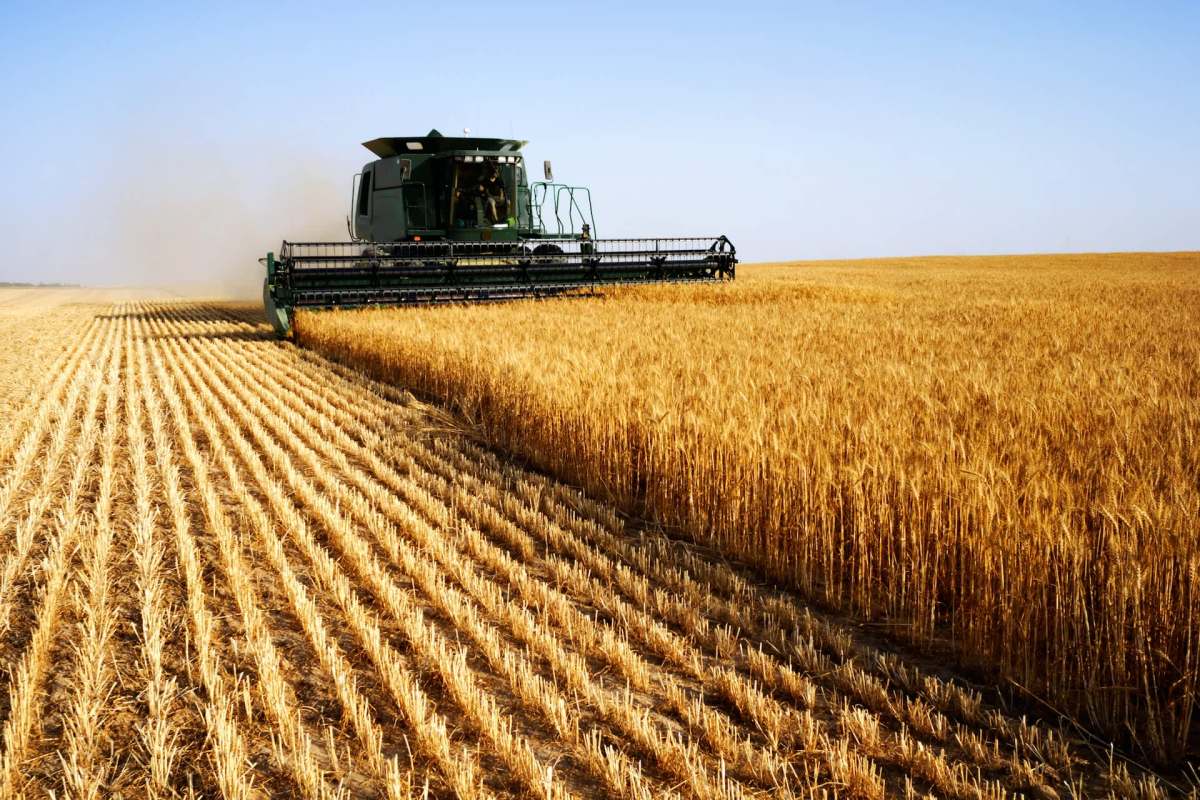
Staple crops are going to be harder to come by as the world continues to warm, new data warns.
What's happening?
The dataset, sourced from a June study by the Climate Impact Lab, found that every additional degree Celsius of warming on average will slash the world's food production abilities by
120 calories per person per day.
"If the climate warms by 3 degrees, that's basically like everyone on the planet giving up breakfast," Solomon Hsiang, one of the senior authors of the study, said in a press release from the Climate Impact Lab.
TCD Picks » Martie
💡Martie makes it easy to find quality food at massive discounts while helping to fight food waste





The organization added that if planet-heating pollution were to rapidly decline to net zero, global crop yields would only decrease by 11%, but if it continues to rise unchecked, yields would go down by 24%.
Why is this data important?
The data found that while the world's poorest countries will experience some of the steepest losses in agricultural productivity, richer countries such as the U.S. are not immune. In fact, "places in the Midwest that are really well suited for present day corn and soybean production just get hammered under a high warming future," lead study author Andrew Hultgren said.
This unsettling agricultural future comes even as the world continues to waste vast amounts of food. According to the U.S. Department of Agriculture, 30-40% of our food supply is wasted each year.
Meanwhile, both waste and agricultural challenges associated with a warming climate contribute to food shortages and higher price tags at checkout. For instance, residents of one province in the Philippines are facing high food prices following a deadly typhoon that destroyed many crops.
Save $10,000 on solar panels without even sharing your phone number Want to go solar but not sure who to trust? EnergySage has your back with free and transparent quotes from fully vetted providers in your area. To get started, just answer a few questions about your home — no phone number required. Within a day or two, EnergySage will email you the best options for your needs, and their expert advisers can help you compare quotes and pick a winner. Solar panels can save you more than $50k over their 25-year lifespan, and EnergySage can help you save as much as $10k on installation. Which begs the question — isn't that worth an email or two? |

What's being done about food insecurity?
This study points to the importance of curbing our planet-heating pollution to ensure food security in the future. One important step you can take is voting for political candidates who support climate action.
You can also make a difference when it comes to food waste by reducing your own. The U.S. Environmental Protection Agency has several ideas on ways to prevent food waste at home, including assessing your refrigerator's contents before heading to the supermarket.
Another way to help address food waste is getting your food from companies like Martie, which buys other brands' overstock and surplus and resells it highly discounted. Martie sells a number of food and beverages, including pasta, tea, and crackers.
|
What is the biggest reason you don't grow food at home? Click your choice to see results and speak your mind. |
 Not enough time ⏳
Get TCD's free newsletters for easy tips to save more, waste less, and make smarter choices — and earn up to $5,000 toward clean upgrades in TCD's exclusive Rewards Club.







