


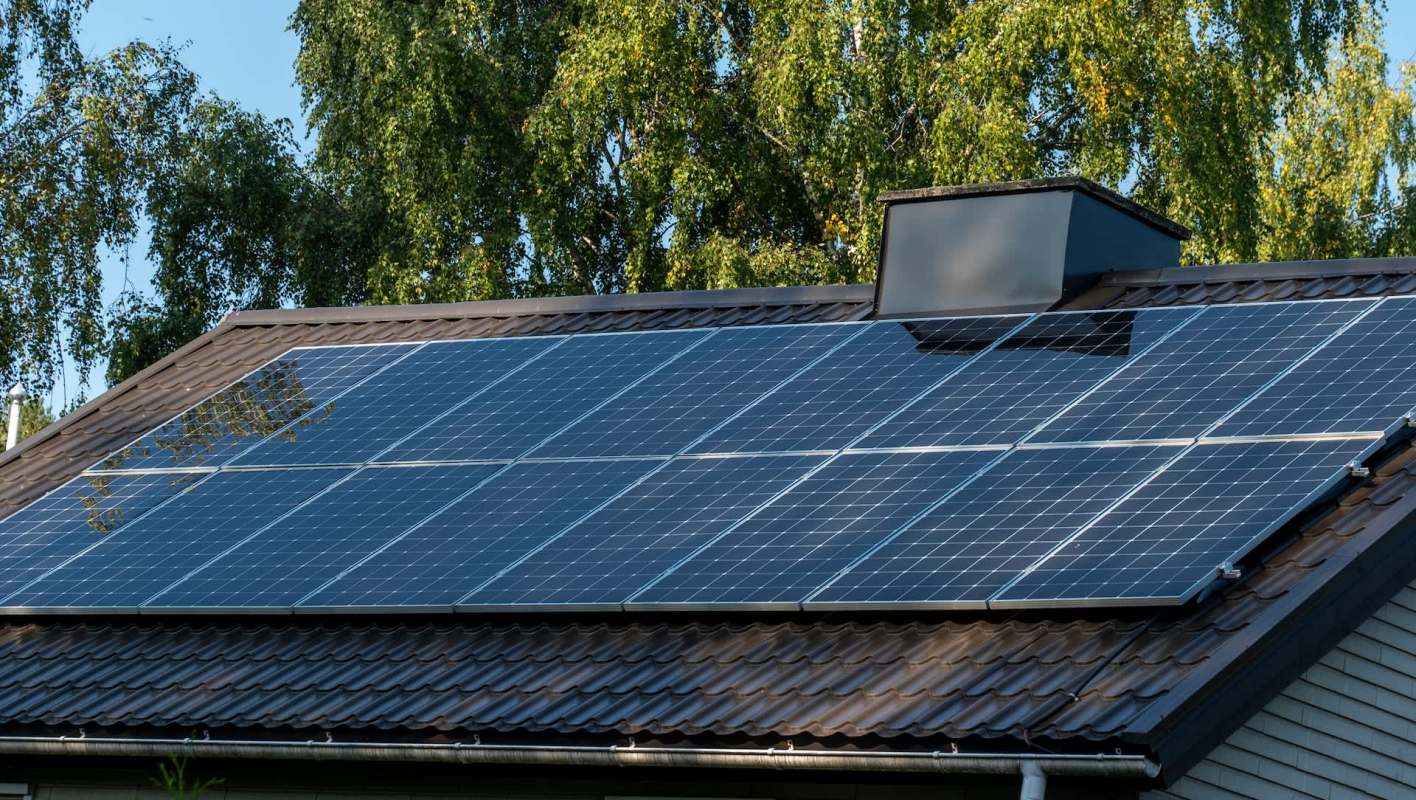
A Reddit post about blocked solar panels is shedding light on the frustrating rules that can stand between homeowners and clean energy.
As the original poster explained, their authority having jurisdiction told them only "certified solar installers" could install solar panels under the National Electrical Code. This meant their planned DIY installation was blocked.
"If that's true, how does any DIY solar in the United States even exist?" the OP asked.
This is a reminder that, while DIY solar can be legal in some places, local permitting rules can make or break a project. That's one reason many homeowners turn to comparison tools like EnergySage. It lets you get quick estimates and compare vetted installer quotes in your area for free, so you can understand your options before hitting a permitting wall.
Commenters quickly chimed in with real-world advice.
"They aren't exactly wrong, but it's not a certified installer has to do everything, rather the certified installer has to do the finalized connection. You can diy part of it and then bring in the pro to approve it, sign off, and finish the connection," offered one commenter.
Others said their workaround was hiring a licensed electrician to pull the permit and sign off on the work. A few pointed out that some jurisdictions simply don't allow DIY solar at all, regardless of skill level.
"Dealing with the power company when installing solar was my worst experience. They don't like solar and it's obvious," one commenter wrote bluntly.
Save $10,000 on solar panels without even sharing your phone number Want to go solar but not sure who to trust? EnergySage has your back with free and transparent quotes from fully vetted providers that can help you save as much as $10k on installation. To get started, just answer a few questions about your home — no phone number required. Within a day or two, EnergySage will email you the best local options for your needs, and their expert advisers can help you compare quotes and pick a winner. |

The average U.S. household uses about 10,632 kilowatt-hours of electricity per year. Installing solar panels, therefore, is one of the most effective ways to save money on home energy. Cutting that bill with rooftop solar can mean thousands of dollars in long-term savings and far less exposure to rising utility rates.
For homeowners who feel blocked by local rules, the experience can feel similar to HOA-related solar disputes. In those situations, residents have had to push back against denials that may conflict with state solar access laws. In some cases, knowing your rights — or simply having multiple installer quotes in hand — can make all the difference.
|
If you don't have solar panels on your home, which of these factors is the biggest barrier to installing them? Click your choice to see results and speak your mind. |
 Upfront costs 💰
 EnergySage can help on that front, too. Its free mapping tool shows average solar system costs and available incentives on a state-by-state basis. That can help you see what fair pricing looks like where you live and what rebates or tax credits you might qualify for.
Adding battery storage can be a game changer as well. Pairing batteries with solar panels can protect your home during outages, save even more on energy, and move closer to energy independence. EnergySage offers free tools to compare home battery options and get competitive installation estimates.
More From EnergySage
💡Go deep on the latest news and trends shaping the residential solar landscape
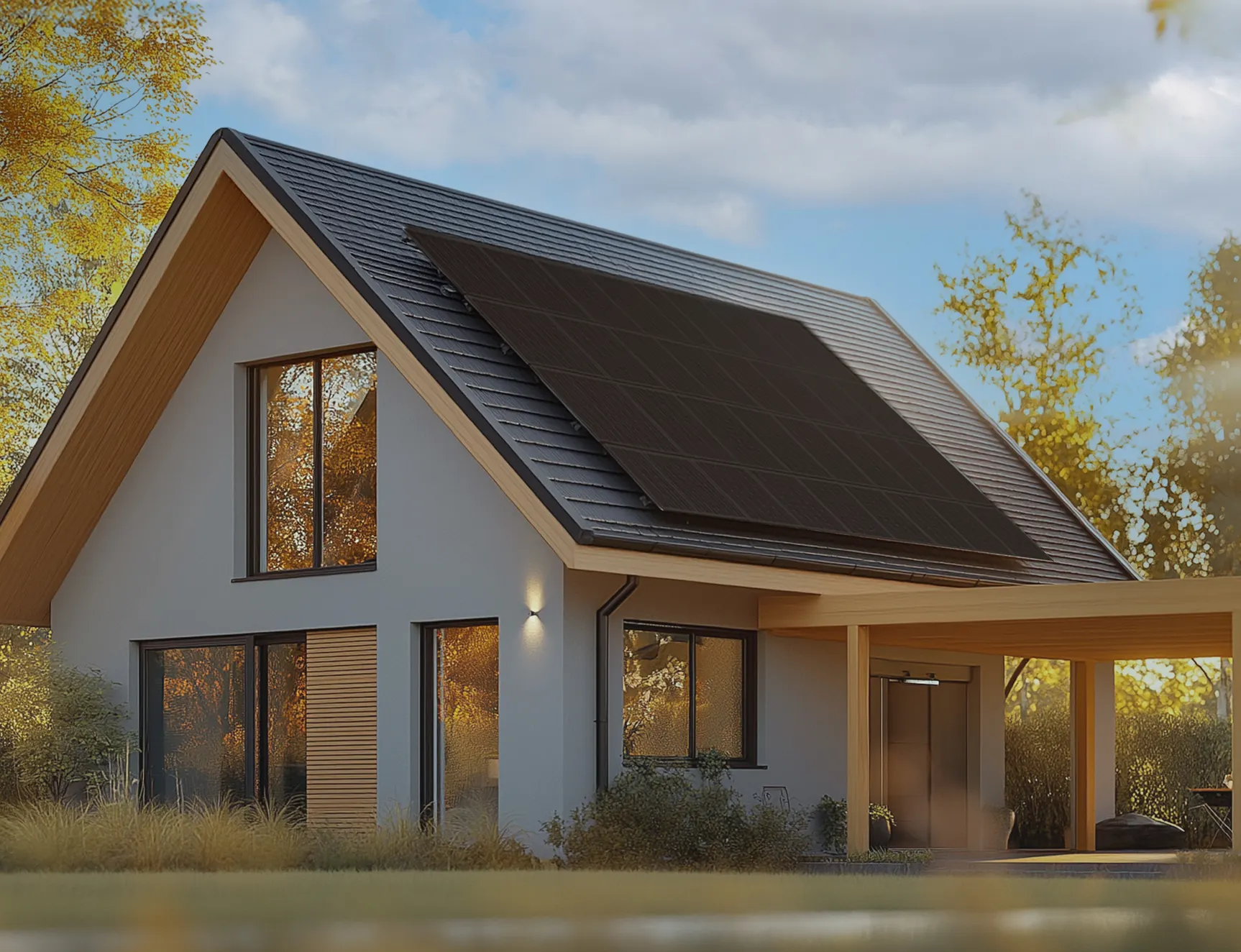
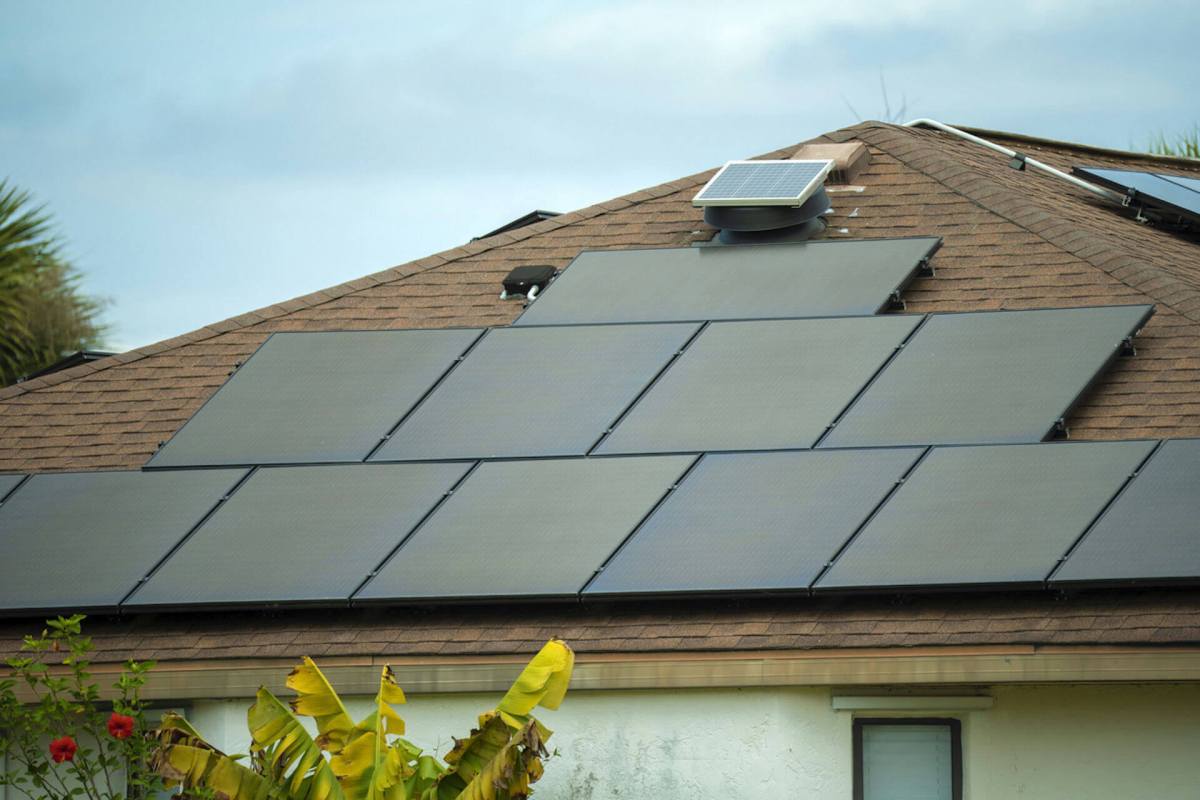
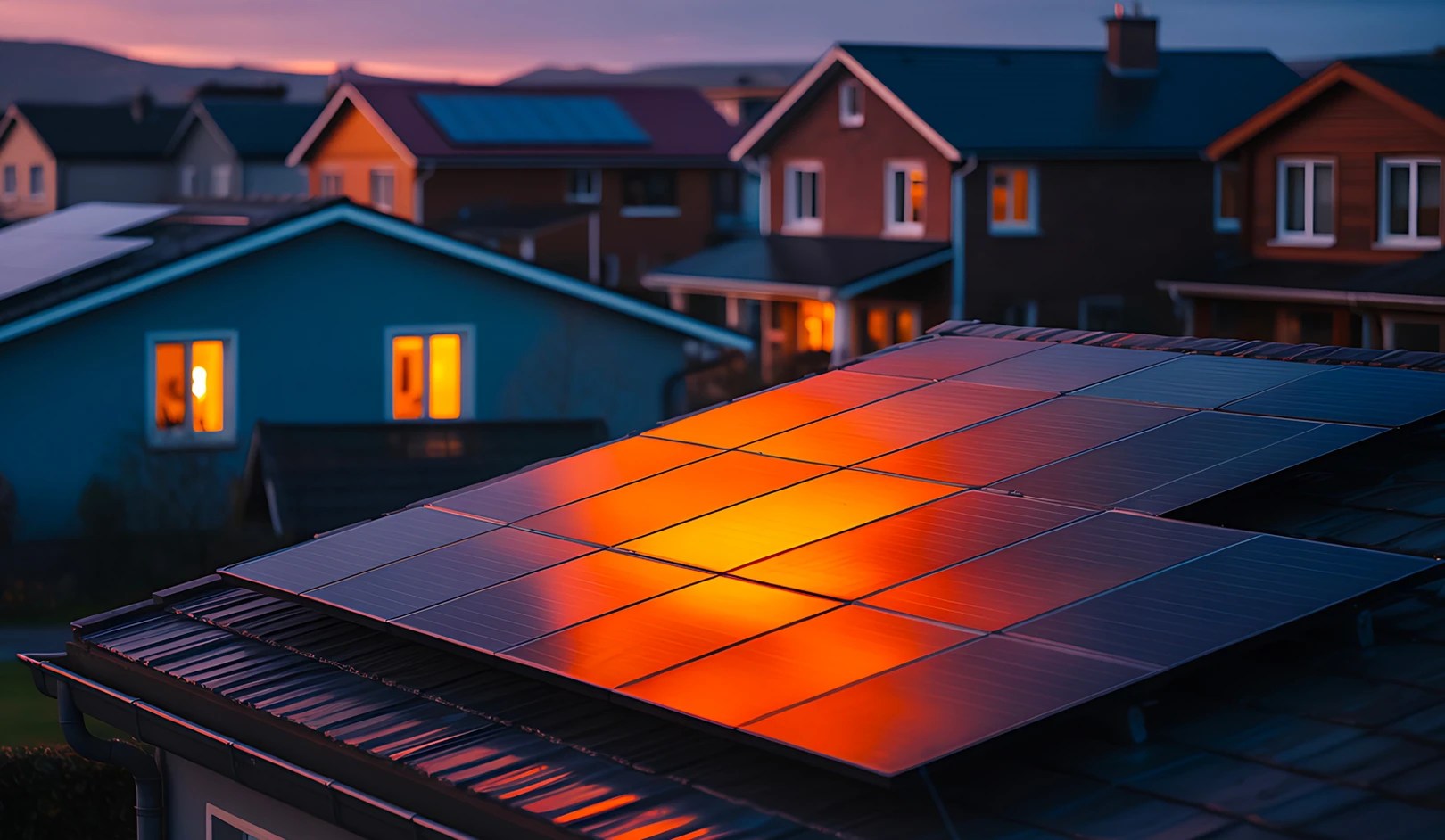

In the end, the OP's thread became less about one permit denial and more about a shared reality. Going solar can be incredibly rewarding, but the path isn't always straightforward.

Get TCD's free newsletters for easy tips to save more, waste less, and make smarter choices — and earn up to $5,000 toward clean upgrades in TCD's exclusive Rewards Club.






