


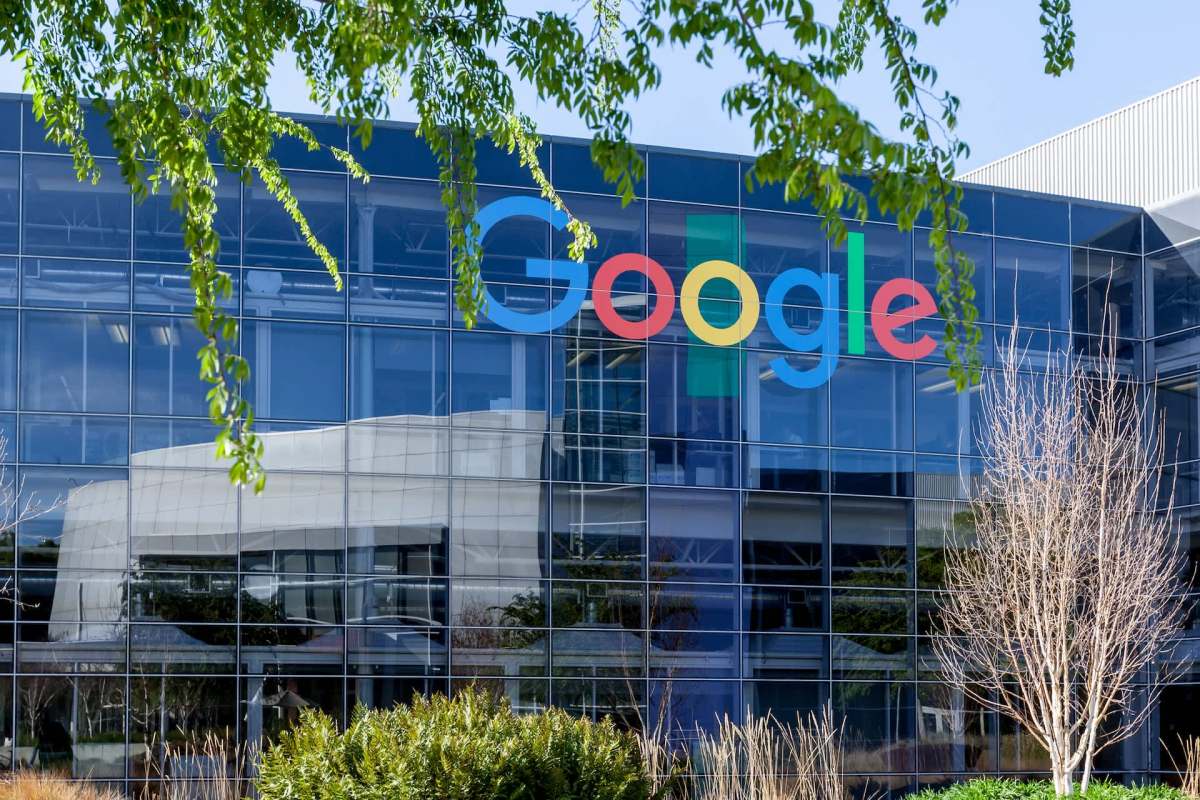
Google cofounder Sergey Brin told Stanford students his company now employs many workers who never earned college degrees, Fortune reported.
What's happening?
During a talk at the Palo Alto, California, university, Brin explained how Google's approach to hiring has moved away from demanding formal degrees.
"In as much as we've hired a lot of academic stars, we've hired tons of people who don't have bachelor's degrees," Brin said. "They just figure things out on their own in some weird corner."
The numbers back up this change. Data from the Burning Glass Institute shows that in 2017, degree requirements were part of 93% of job postings at Google. By 2022, that figure had dropped to 77%.
Other large tech companies have also begun judging candidates by their abilities instead of their diplomas. Microsoft, Apple, and Cisco are among those dropping degree mandates.
JPMorgan Chase CEO Jamie Dimon expressed similar views in 2024. "If you look at skills of people, it is amazing how skilled people are in something, but it didn't show up in their résumé," he said.
TCD Picks » Quince Spotlight
💡These best-sellers from Quince deliver affordable, sustainable luxury for all




Why is the decline in degree requirements concerning?
This shift raises questions about what a college education is worth, especially as artificial intelligence tools got better at performing tasks that once required formal training.
If you spent years and tens of thousands of dollars earning a degree, companies' hiring people without that credential might feel frustrating. The change could leave graduates wondering if their time and money were well-spent.
AI's popularity also creates environmental pressures. Training and running AI systems requires tons of electricity and water for cooling data centers. As AI becomes more embedded in hiring, operations, and daily business functions, energy consumption grows.
This can strain power grids, increase costs for consumers, and contribute to pollution if the electricity comes from sources such as gas or coal. AI may help optimize some clean energy systems, but its resource demands present trade-offs.
What's being done about changing hiring practices?
The business community is recognizing that degree requirements often screen out talented people unnecessarily.
|
How should we protect workers from losing jobs to AI-powered robots?
Click your choice to see results and speak your mind. |
 Financial assistance for job training 💰
 Michael Bush, CEO of Great Place to Work, told Fortune that more organizations now understand they've been "missing out on great talent by having a degree requirement."
If you're entering the job market without a traditional degree, focus on building demonstrable skills through online courses, certifications, or project portfolios that showcase your abilities. Many tech companies now prioritize what you can do over where you studied.
Brin encouraged those already in college to study what engages them instead of making decisions based on which jobs AI might take over. He chose computer science because it captivated him, not because he calculated career outcomes.

Get TCD's free newsletters for easy tips to save more, waste less, and make smarter choices — and earn up to $5,000 toward clean upgrades in TCD's exclusive Rewards Club.






