


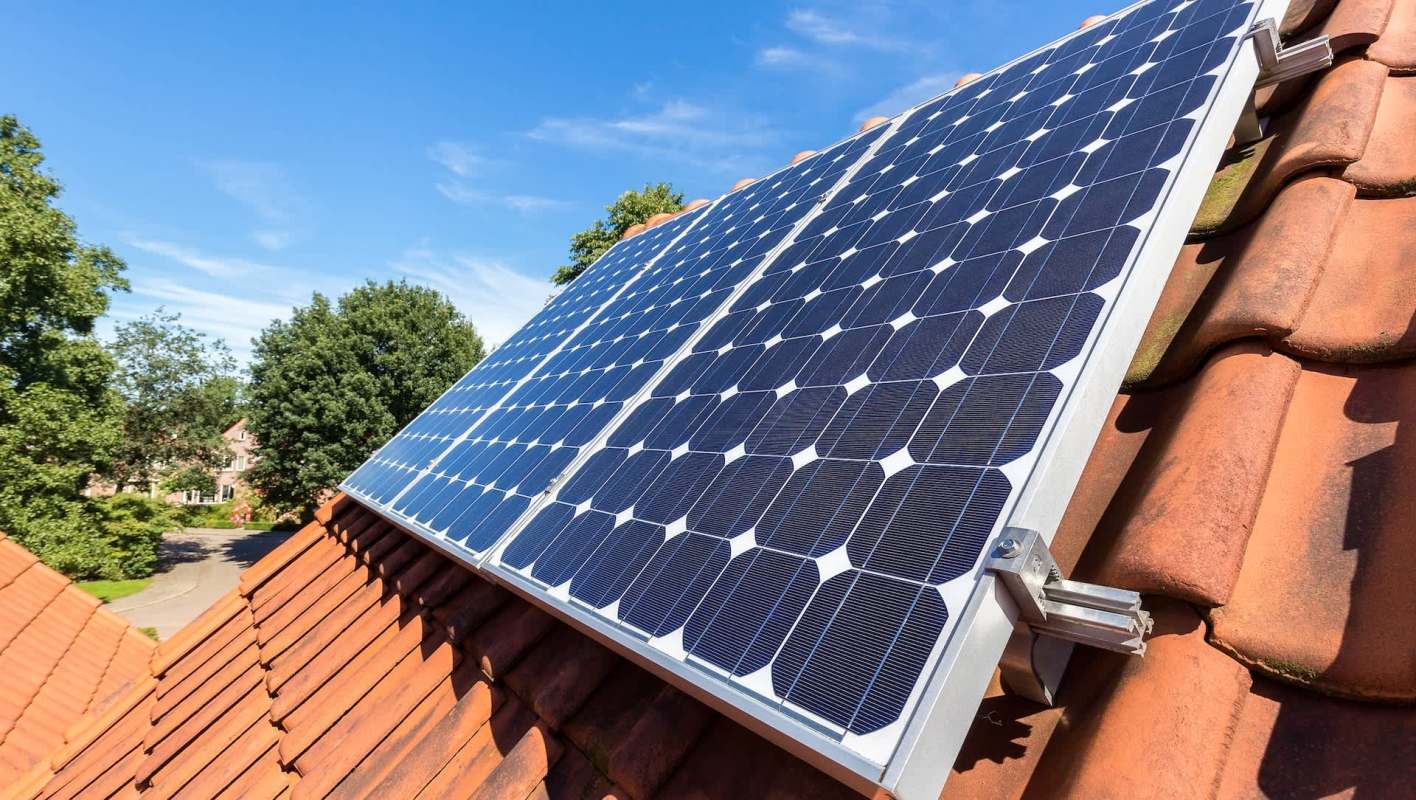
Rooftop solar is often marketed as a money-saving upgrade, but one homeowner says it's done the opposite.
In a Reddit post in r/solar, the poster described buying a house with a 20-year solar lease, only to realize they're now paying more for electricity than they would without solar at all.
"Is this common?" they asked the Reddit community, pointing to confusion around solar leases, utility bills, and how solar savings actually work, especially for buyers who inherit a system.
What is a solar lease?
A solar lease is an agreement where a third-party company installs solar panels on your home but keeps ownership of the system. Instead of buying the panels, you pay a fixed monthly fee to use the electricity they produce, typically under a 20- to 25-year contract.
Because the solar company owns the system, you don't receive tax credits or incentives, and you still typically pay your utility for electricity your panels don't generate. That's why many homeowners see two bills: one from the solar provider and one from their utility.
Savings depend on factors like system size, household energy use, utility rates, and annual lease escalators. When these factors don't align, solar can feel more expensive than beneficial. Tools like TCD's Solar Explorer can help you understand your options and potentially save up to $10,000 when going solar.
Why are solar leases getting so popular?
Leases let homeowners go solar with little or no upfront cost. You get the environmental and financial benefits of solar without handling installation, maintenance, or financing — making it an appealing entry point into renewable energy.
Still, leased systems can be tricky to evaluate. "Compare the kWh rates and various fees. Should be a rate for each, a distribution charge… perhaps a connection fee with either or both. Then do the math on each," shared one Redditor on how they calculated the costs for their own home.
How solar leases affect homeowners
The challenge isn't whether solar works, but how solar is financed. When structured well, rooftop solar can lower monthly bills, protect you from rising electricity rates, and deliver long-term savings.
Get $1,000 cash to slash your bills with rooftop solar panels for $0 down and low monthly payments Whatever your solar budget, Palmetto can help you save. If you want to buy your own panels, Palmetto's advisors can help you save up to $10,000 on installation through a network of preferred installers. And if you'd rather get solar savings without upfront costs, Palmetto's revolutionary LightReach subscription program can deliver — including an exclusive $1,000 cashback offer for TCD readers. LightReach lets you lease solar panels with no money down, making it painless to lock in long-term savings of up to 33% off your current power bill. Palmetto covers a 25-year warranty for the panels, which means you'll get reliable performance without unforeseen costs. To get started, just book a short meeting with Palmetto's experts to explore your options and find the solution that's right for you. |

Inherited leases can carry hidden pitfalls. When you buy a home with an existing lease, you're locked into someone else's assumptions about energy use, pricing, and incentives. You can't easily adjust the system, add batteries, or refinance without the leasing company's approval.
|
Which is your biggest concern regarding AI technology?
Click your choice to see results and speak your mind. |
 Energy consumption ⚡
 "I always review the solar agreement. If it's a bad deal, I will ask seller to buy out the solar system so my clients are not taking over a bad deal," a realtor in the Reddit comments explained.
Smart upgrades that slash monthly energy bills
If you're evaluating your solar setup or considering going solar, several programs can make a big difference:
• EnergySage can help you save up to $10,000 on installations by curating competitive bids from local installers
• Not ready to spend up front? Palmetto's $0-down LightReach solar leasing program can lower your utility rate by up to 20%
• TCD's Solar Explorer makes it easy to access exclusive offers from preferred partners
You can also cut costs further by combining solar panels with energy-efficient appliances, like updated HVAC systems. TCD's HVAC Explorer makes it simple to find a system that fits your home and budget, helping cut utility costs by up to 50%.
On top of that, the free Palmetto Home app lets you earn up to $5,000 in rewards for simple everyday actions that can be used on home upgrades.

Get TCD's free newsletters for easy tips to save more, waste less, and make smarter choices — and earn up to $5,000 toward clean upgrades in TCD's exclusive Rewards Club.






