


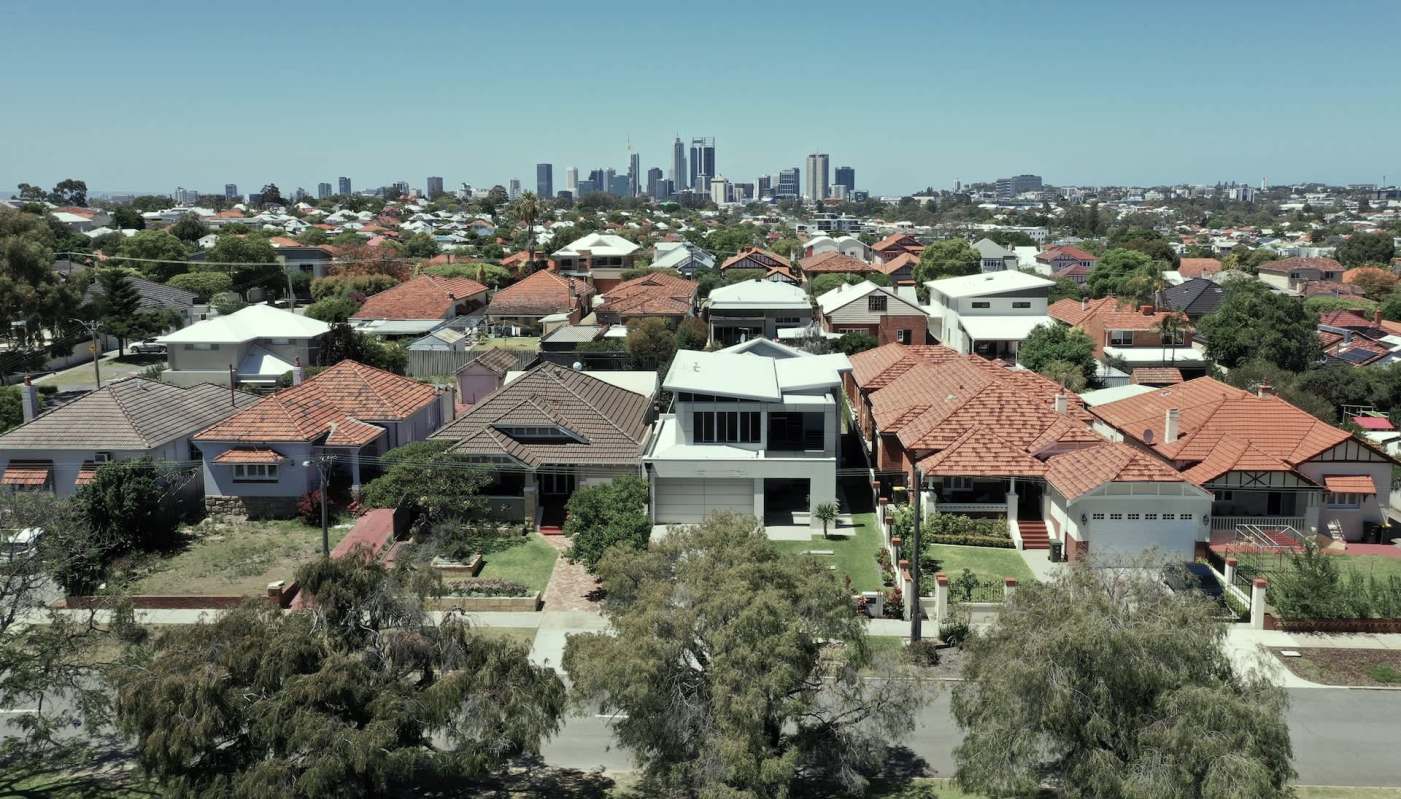
Climate change and its related risks are directly influencing Australia's property market and lending landscape.
According to national assessments, risks tied to flooding, bushfires, and extreme heat are increasingly being priced into home values, mortgages, and insurance.
What's happening?
According to Broker News, climate-related risks are directly affecting Australia's property market and lending landscape.
More than 3,000 homes were destroyed during the 2019-20 Black Summer bushfires, while nearly 2,000 homes were inundated during the 2022 floods in Lismore.
As analysis from the Climate Council and PropTrack detailed, flood risk alone has wiped an estimated $42 billion from property values nationwide.
Meanwhile, a federal National Climate Risk Assessment warned that climate impacts could erase up to $571 billion from Australia's property market by 2030, with losses projected to reach $770 billion by 2100.
TCD Picks » Quince Spotlight
💡These best-sellers from Quince deliver affordable, sustainable luxury for all




Why are rising costs important?
More than 1.5 million Australians are expected to be living in high- or very-high-risk coastal areas by 2025 due to extreme heat, flooding, and rising sea levels — which are all exacerbated by human influence.
An estimated 650,000 homes and businesses are already at high risk from one or more hazards, representing almost one in every 23 properties.
The Climate Council said the largest losses are linked to flood risks in lower-income areas.
"One thing that is very clear from this climate assessment is that our whole country has a lot at stake," Chris Bowen, Climate Change and Energy Minister, told Broker News.
|
What should America do to fight plastic pollution?
Click your choice to see results and speak your mind. |
 Stricter regulations on companies 🏛️
 Similar pressures have been seen in the United States, where climate-driven insurance risk is also lowering home values and reshaping lending decisions.
Rising premiums and shrinking coverage are forcing insurers and lenders to reassess long-term exposure in disaster-prone areas. The loss of affordable insurance can directly affect mortgage eligibility.
What's being done about extreme weather?
According to the Insurance Council of Australia, the economic toll of extreme weather has tripled.
Relying on hazard mapping, updating building standards, and increasing resilience planning are the best ways to protect properties against long-term risk.
Meanwhile, taking climate-friendly steps, such as installing solar panels, can reduce a home's polluting impact while making homes more resilient against extreme weather.

Get TCD's free newsletters for easy tips to save more, waste less, and make smarter choices — and earn up to $5,000 toward clean upgrades in TCD's exclusive Rewards Club.






