


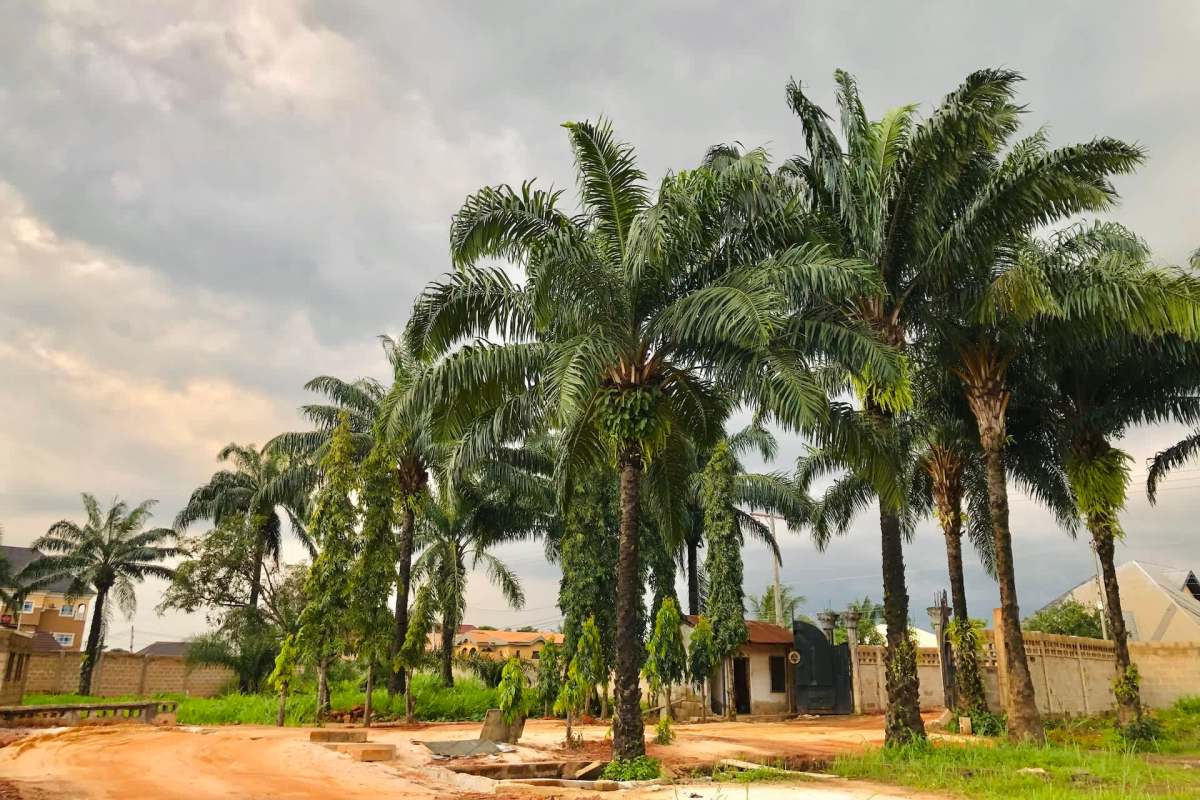
Wildlife experts in Nigeria are celebrating a historic conservation milestone after rescuing and beginning rehabilitation of a baby elephant found wandering alone in an oil palm plantation — an effort that is reshaping how communities and conservationists work together to protect endangered wildlife.
According to the Whistler, Okomu National Park confirmed that a male elephant calf rescued on Nov. 30 is now undergoing rehabilitation. The calf, estimated to be less than two months old, was discovered inside the Okomu Oil Palm Company plantation in Edo State, far from the safety of its herd.
Park conservator Osaze Lawrence told the Whistler that plantation workers quickly realized the animal was in distress, gave it water, and immediately contacted park authorities. Rangers from Okomu National Park, working alongside the Africa Nature Investors Foundation, initially tried to reunite the calf with its herd. When a commercial motorcyclist later reported seeing the disoriented animal alone near a roadside, officials knew the calf could not survive on its own.
"The best option was for us to rescue, rehabilitate, and stabilize it," Lawrence said, per the Whistler. The calf, which had slipped into a health crisis, is now under 24-hour veterinary care at an ANI camp inside the park and is steadily regaining strength.
The rescue drew international attention, including from UK-born wildlife rescue specialist Liz O'Brien, who flew in from Zambia to assist. With more than 15 years of experience rescuing elephants across Africa, O'Brien described the effort as historic.
"In Nigeria, they have never rescued an elephant like this before; this is the first of its kind," she told the Whistler.
TCD Picks » Quince Spotlight
💡These best-sellers from Quince deliver affordable, sustainable luxury for all




O'Brien emphasized that her involvement was about more than saving one animal. "You cannot always rely on people flying in," she added. "We must develop the next generation of wildlife rescuers."
Wildlife rescues like this often have ripple effects far beyond a single animal. Protecting keystone species such as elephants helps maintain healthier forest ecosystems and, over time, can reduce human-wildlife conflict while supporting the environmental systems communities depend on.
Beyond the rescue itself, the effort has sparked growing conservation awareness among nearby communities. According to the Whistler, ANI project manager Peter Abanyam said local residents played a crucial role by alerting authorities when the calf wandered toward a main road.
"When the calf wandered to the road, community members immediately alerted our gate," Abanyam said. "This shows how much awareness has grown."
|
Do you think America does a good job of protecting its natural beauty? Click your choice to see results and speak your mind. |
 Definitely 👍
Get TCD's free newsletters for easy tips to save more, waste less, and make smarter choices — and earn up to $5,000 toward clean upgrades in TCD's exclusive Rewards Club.







