


Alaska's primary industries have seen significant changes in recent years. Regional seafood harvesting jobs have declined for the fifth year in a row, according to a November report from National Fisherman. And National Public Radio reported last February that extensive federal job losses could profoundly affect the state's future.
With the announcement earlier this year that the Ambler Road project is set to move forward, promised mining jobs could help to make up the difference. But many wonder: At what cost — to animals, people, and to jobs themselves tied to nature?
What's happening?
The Associated Press reported in October that the Trump administration had once again approved the controversial Ambler Road project. It had been previously approved during his first term but was later blocked under the Biden administration.
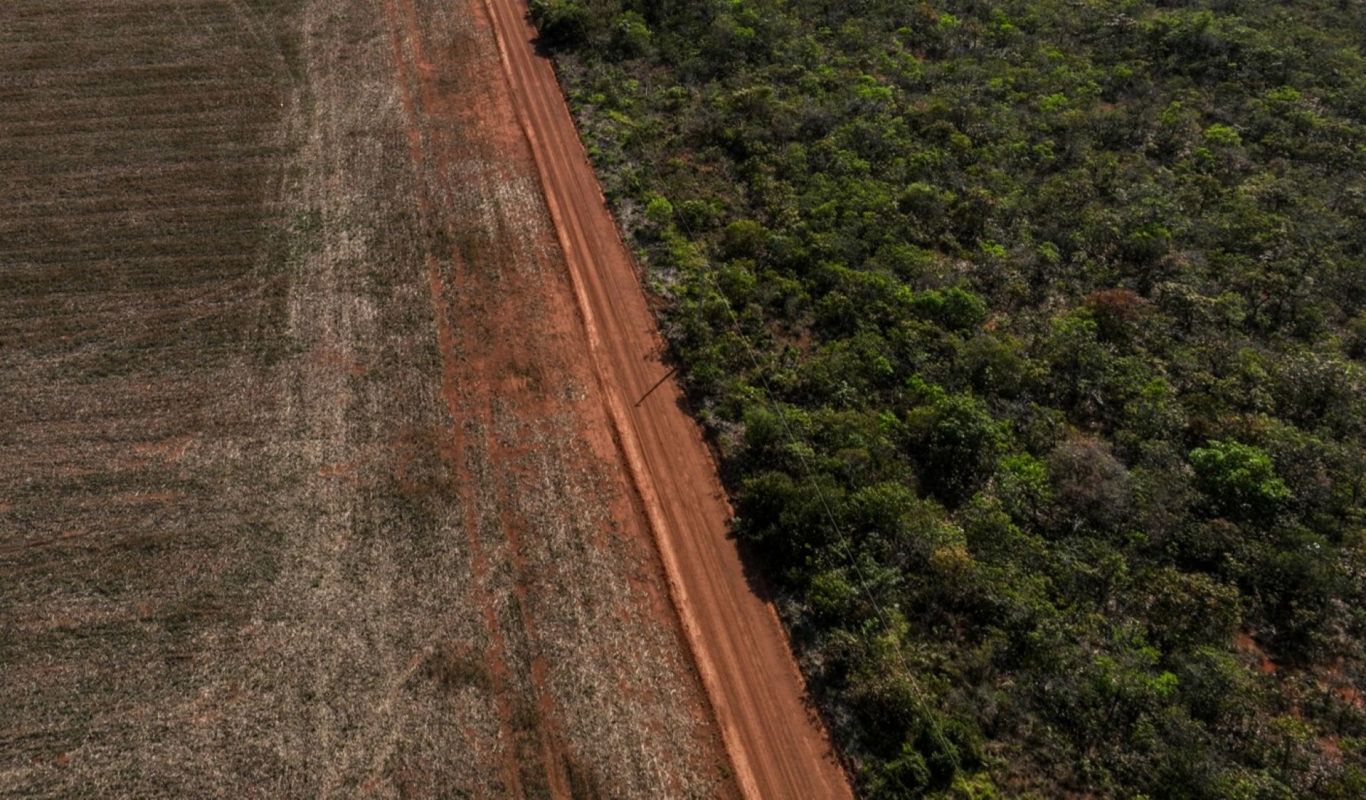
The project is set to support copper mining operations by building a 211-mile road through Alaska and through its streams, rivers, and forests. Construction is expected to begin in 2026.
Tristen Pattee, the co-owner of a wilderness guiding company in Ambler and an Inupiaq hunter, told the AP in follow-up coverage this December that both his business and ability to provide food depend on a thriving landscape. But he also thinks bringing in more jobs is a major priority that the road project could help address. His small town's population has already decreased from 320 to 200 in the last 15 years.
"We're losing our community. We're literally losing it," Pattee said, as a lack of economic opportunities prompts residents to look for work elsewhere.
TCD Picks » Quince Spotlight
💡These best-sellers from Quince deliver affordable, sustainable luxury for all




Pattee has also worked as an environmental technical supervisor at a mine, so he has seen eco-conscious practices implemented in the industry. But, he told the AP, "there's always a worry."
Why is the Ambler Road project concerning?
Indigenous leaders and environmentalists more broadly say the project could block salmon from spawning and deter caribou from migrating, among other disruptions.
"We're getting away from a lot of our Native foods because some of it is getting scarce. Our caribou has declined a lot," Inupiaq leader Roswell Schaeffer told the AP in a video, with the news agency reporting that local caribou populations have fallen by about 66% over the last 20 years. "If we don't stop what's happening with the Ambler Road, we're going to lose our culture totally."
Road construction is also expected to kick up dust containing naturally occurring asbestos, which could settle in local waterways and potentially impact wildlife and residential communities.
|
Do you feel like the air quality is safe where you live? Click your choice to see results and speak your mind. |
 Always 💯
 The project has been framed by its proponents as a way to bring jobs home, but not everyone is convinced it's the best solution to job loss, particularly given that so many livelihoods rely on healthy ecosystems.
Meanwhile, Andrea Marston, an associate professor at Rutgers University whose focus is mining and Indigenous rights, told the AP, "You cannot justify steamrolling Indigenous lands with a kind of global story of climate change because that just ends up reiterating colonial plunder in a new way."
"The starting point should be: It is their land to decide what to do with."
In early December, delegates at the Assembly of First Nations in Canada voted to call on Prime Minister Mark Carney to protect local caribou and stop oil and gas projects, advocated for by the Trump administration, where their young caribou are born and grow.
"We depend on the caribou," Lutselk'e Dene First Nations delegate Juni Gahdele told CBC News. Gahdele's community is involved in a separate road project, in which Indigenous leaders are directly involved.
What's being done?
The Ambler Road project reportedly faces lawsuits from Tribal and environmental groups on the grounds that it could heavily impact Indigenous communities and natural habitats.
After a request for comment, Kaleb Froehlich of Ambler Metals, the company behind the project, told the AP that all water would be treated and local recruitment would be a priority.
In Canada, meanwhile, First Nations have agreed to lead a separate road project to support job growth and transit while safeguarding wildlife and habitats. Their plan — potentially a blueprint for projects in the United States and elsewhere — will prioritize community feedback.
"Our members will be asked for their views on land views, access, environmental considerations, and economic opportunities," Yellowknives Dene First Nations Chief Ernest Betsina told CBC in November, with the outlet underscoring that Indigenous elders' traditional knowledge would guide the effort.

Get TCD's free newsletters for easy tips to save more, waste less, and make smarter choices — and earn up to $5,000 toward clean upgrades in TCD's exclusive Rewards Club.







