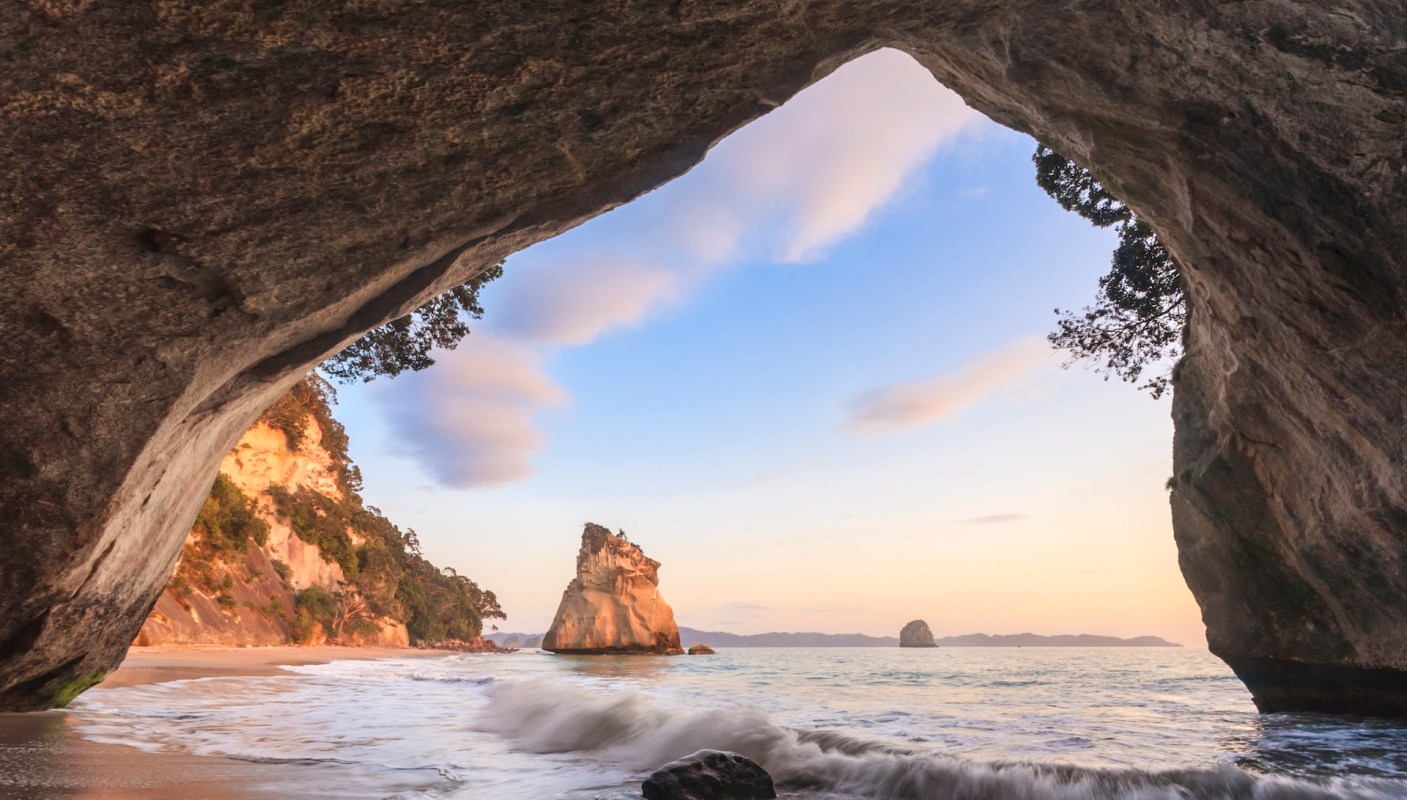
New Zealand announced a five-year ban on spiny rock lobster fishing along the North Island's upper east coast, per The Northern Advocate.
The closure takes effect in April and is intended to rebuild depleted populations and restore marine ecosystems. The ban covers the entire east coast side of a zone from Northland to Cape Rodney, plus additional closures between Te Ārai Point and the inner Hauraki Gulf.
"Rock lobsters play an important role in the marine ecosystem by helping keep kina numbers in check," Oceans and Fisheries Minister Shane Jones, who also described the ban as a "milestone," told the Advocate. "The changes I am making will help restore balance by increasing the numbers and size of spiny rock lobsters in the fishery."
Fishing bans can provide critical breathing room for depleted species to recover. When properly planned and enforced, temporary closures allow animal populations to rebuild to sustainable levels, preserving food sources for coastal communities and maintaining better ecological balance.
Dr. Benn Hanns of the University of Auckland called the move "an important step toward holistic ecosystem-based management," per the Advocate, though he cautioned recovery could take decades due to warming seas.
The ban also raised concerns among recreational fishers and commercial operators whose livelihoods depend on these waters. Critics worried that the east coast closure would shift pressure westward, potentially depleting those stocks of crayfish.
TCD Picks » Quince Spotlight
💡These best-sellers from Quince deliver affordable, sustainable luxury for all




Matt Watson, a Northland fishing personality who supports the ban, blamed excessive quotas for the collapse. He argued the recreational fishing sector contributes $1.1 billion annually to New Zealand's economy, yet continues to be overlooked in management decisions.
Jones, for his part, dismissed Watson's criticism as an "unhinged crusade against commercial fisheries," per the Advocate, and defended the approach, noting most commercial operators had already ceased fishing voluntarily.
"This shows our government is resolute to effect sustainability outcomes when taonga species are at threat," he said.
Healthy crayfish populations prevent kina from overgrazing kelp forests and creating underwater barrens. This ecological balance supports diverse marine life that also helps sustain commercial fishing and recreational opportunities for local residents.
The closure will remain in place until crayfish numbers have recovered sufficiently, with officials monitoring the biological impacts over the next five years.
|
Do you think America does a good job of protecting its natural beauty? Click your choice to see results and speak your mind. |
 Definitely 👍
Get TCD's free newsletters for easy tips to save more, waste less, and make smarter choices — and earn up to $5,000 toward clean upgrades in TCD's exclusive Rewards Club.