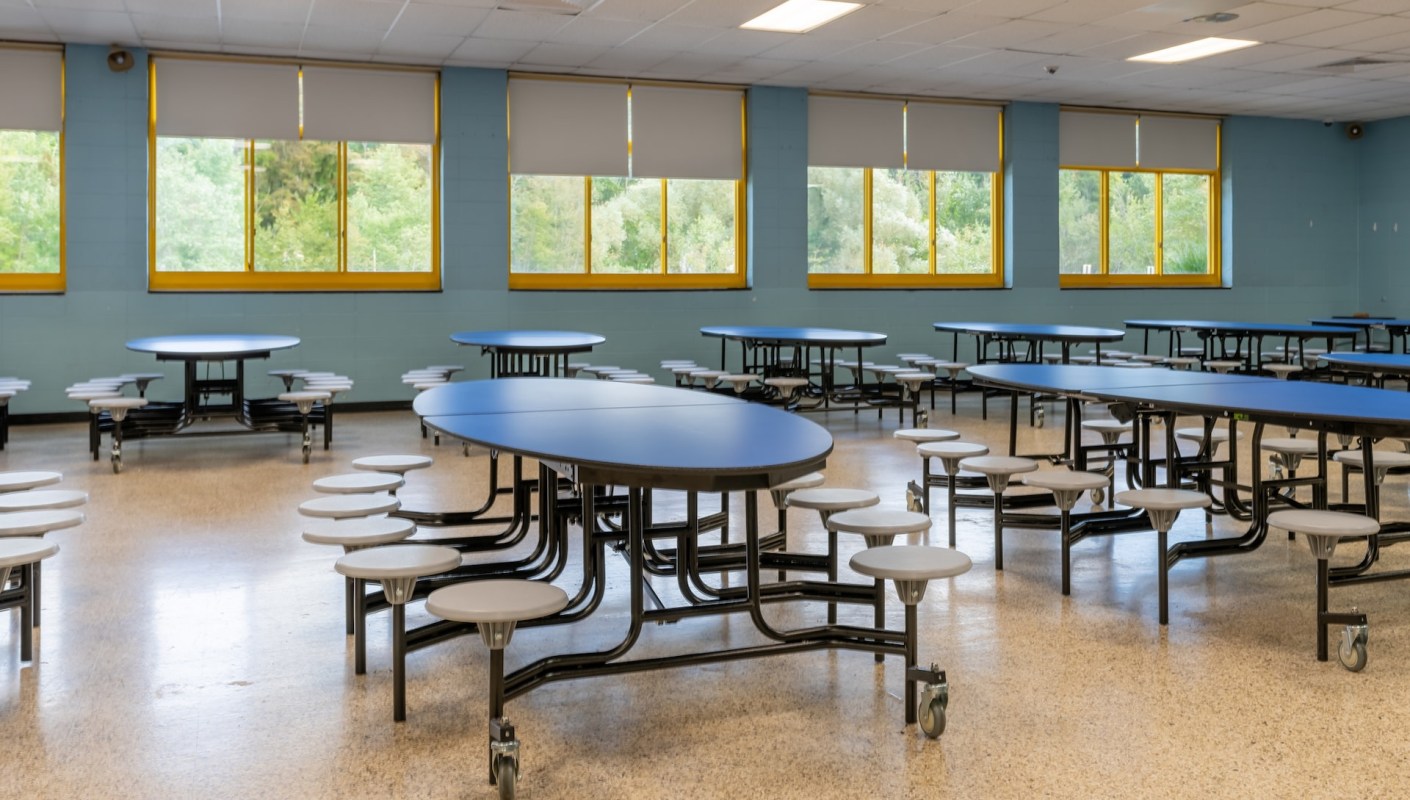
A night custodian sparked a lively discussion about milk waste in schools, and shed a light on the concerning implications of legislation that leads to waste.
What's happening?
Posting on the r/mildlyinfuriating subreddit, the custodian shared an alarming image of thrown-out milk cartons.
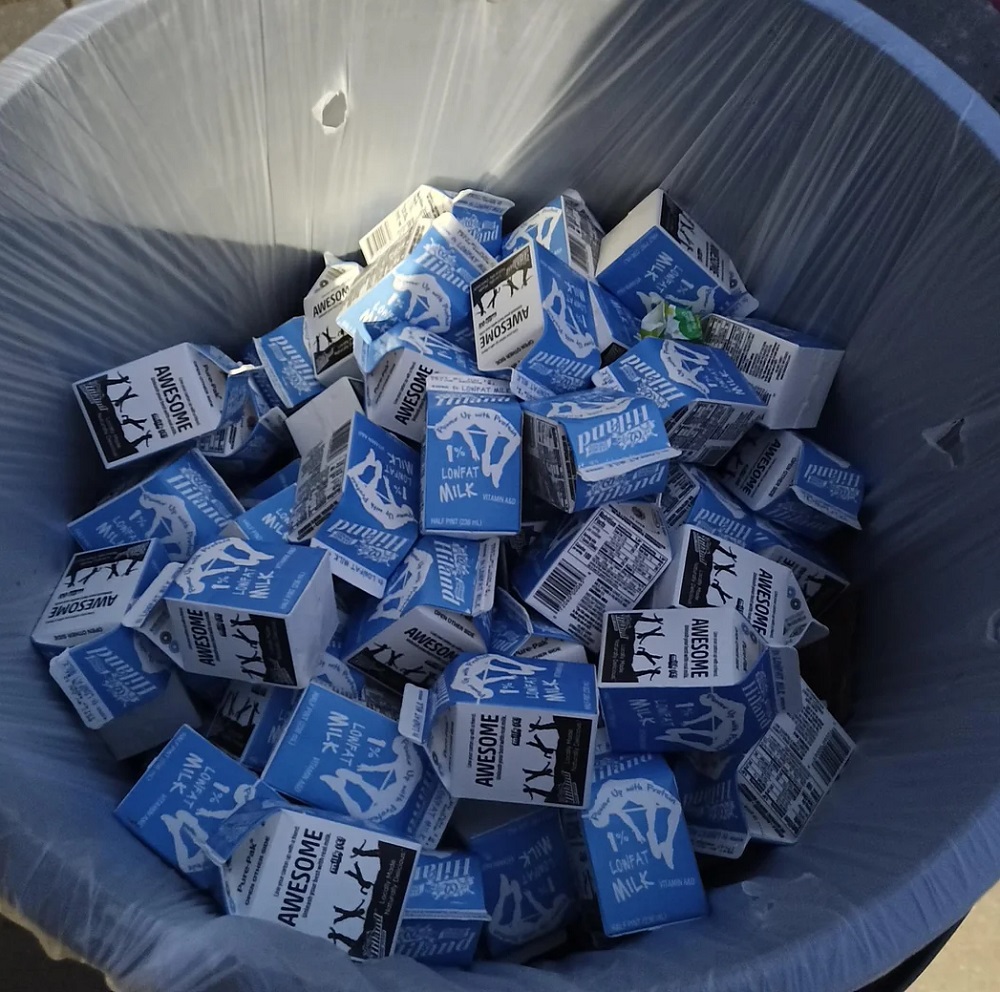
"About half of this 50-gallon trash can is full of perfectly good cartons of milk … expiration date is in 2 weeks," they wrote. "Schools waste a lot of food."
As one commenter added: "As a former child who went hungry, this hurts."
When it comes to milk, a number of factors might lead to early disposal.
"Expiration dates are dependent on continuous proper storage," a user replied. "Schools tend to put milk out for periods of time and not keep them in constant cool temperatures."
TCD Picks » Quince Spotlight
💡These best-sellers from Quince deliver affordable, sustainable luxury for all




Another commenter who identified as a school food worker pushed back on that exact rationale.
"Most likely from kids who didn't want it and just threw it out," they said. "At the school I worked at, the kids were forced to take the milk even if they didn't want it."
That theory could be correct. To participate in the National School Lunch Program, schools must serve 1% or skim milk to students. That is despite a growing number of students moving away from milk due to lactose intolerance or other preferences including whole milk or plant-based milk alternatives.
There is a growing belief that the legislation that requires milk is resulting in more waste, while not providing the benefits to students that it should.
|
Do you think kids learn enough about gardening in school? Click your choice to see results and speak your mind. |
 Not even close 🧑🌾
 Why is milk waste important?
Food waste is a gigantic problem in America, and milk waste certainly isn't helping things. There's also the problematic nature of a policy requiring a product that doesn't cater to many students' needs.
While it might be good for dairy farmers to maintain steady demand, it also comes with pollution from excess milk production and from food waste when it eventually enters landfills.
Are organizations and legislators doing anything about milk waste?
The World Wildlife Fund studied the feasibility of using milk dispensers instead of cartons and achieved a 56% reduction in waste, as well as positive reception from students.
Legislators are attacking milk waste from a couple angles, as Grist detailed. Some are advocating for whole milk to be offered by making the argument that more students will drink it.
Other legislators argue that plant-based milk alternatives that are healthier and more accessible to all students should be part of any changes to the rule.
What's being done about food waste in schools more broadly?
Some schools are taking action. A Utah elementary school composts its food waste for biofuel and fertilizer, diverting about 2,500 pounds of waste monthly while promoting sustainable habits.
An Ohio school district reduced food waste and saved $22,000 by diverting 100 tons of waste in one school year, simply by educating students and residents.
However, these solutions depend on a proactive and supportive administration, as well as buy-in from staff, students, and parents.

Get TCD's free newsletters for easy tips to save more, waste less, and make smarter choices — and earn up to $5,000 toward clean upgrades in TCD's exclusive Rewards Club.