


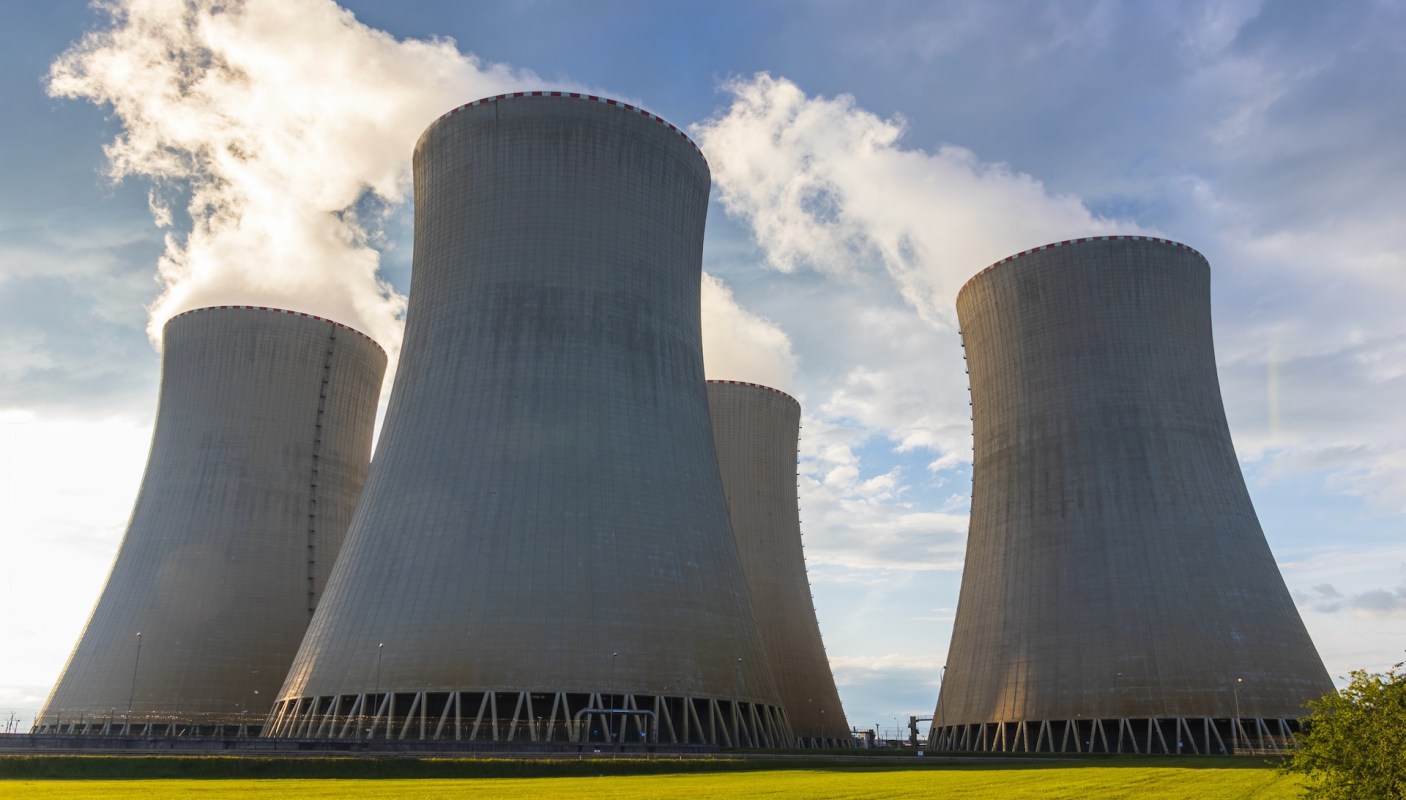
A coalition of civil society groups and public figures in India has sounded an alarm over the country's proposed privatization of its nuclear energy sector, according to Counterview.
The group warned that the government's Atomic Energy Bill 2025 could open the door to significant public health and environmental risks, and it claims it would allow private companies to design, own, and operate nuclear facilities.
This criticism comes at a pivotal time of investment in nuclear energy, which produces electricity with virtually no carbon pollution during operation, and it has the potential to rapidly reduce planet-warming air pollution, according to the International Energy Agency.
What is happening?
In a joint statement released this week, more than a dozen national networks in India condemned a push to attract private investment into nuclear energy operations. The groups argued that private corporations have no constitutional duty to protect the public and lack the safeguards that currently govern India's state-run nuclear program.
The coalition cited a removal of mandatory public consultation before mining radioactive materials, which took place in September 2025, as evidence of weakening oversight.
It also referenced scientific reports of radioactive breast milk detected in India's plains, which researchers linked to uranium-contaminated groundwater, and emphasized the risks of nuclear energy, such as the impacts of persistent radioactive waste on people and ecosystems.
TCD Picks » Quince Spotlight
💡These best-sellers from Quince deliver affordable, sustainable luxury for all




The statement also included information about 16 instances in which private operators lost control of radioactive devices, and regulators were unable to recover 11 of them.
Why is the privatization of nuclear energy concerning?
Radioactivity can persist for millions of years, according to the International Atomic Energy Agency, and exposure to nuclear waste is associated with heightened risks of cancer in humans.
The coalition argued that India lacks a permanent disposal method for nuclear waste (which is a concern across the industry) and mentioned that expanding privatization could increase the chances of theft, accidents, or deliberate misuse.
The statement claims that privatizing nuclear energy can heighten safety risks. One previous instance of nuclear privatization gone awry is the Three Mile Island accident in 1979, where a nuclear plant that was operated by the privately owned Metropolitan Edison Company partially melted down, and its impact led to heightened regulatory oversight, according to the Nuclear Regulatory Commission.
|
How would you feel about a nuclear power plant being built near your home? Click your choice to see results and speak your mind. |
 I'd be excited 😀
 The statement describes the government's stance as "appalling and dangerous" and "authoritarian."
What is being done about the privatization of nuclear energy in India?
Several Indian civil society organizations, including the Coalition for Nuclear Disarmament and Peace, National Alliance of Anti-nuclear Movements, People's Movement Against Nuclear Energy, National Alliance for People's Movements, and National Alliance for Climate and Ecological Justice, have endorsed the statement.
The signatories called for "nuclear policy centred on transparency, public participation, and environmental protection," alongside the long-term decommissioning of facilities.

Get TCD's free newsletters for easy tips to save more, waste less, and make smarter choices — and earn up to $5,000 toward clean upgrades in TCD's exclusive Rewards Club.






