


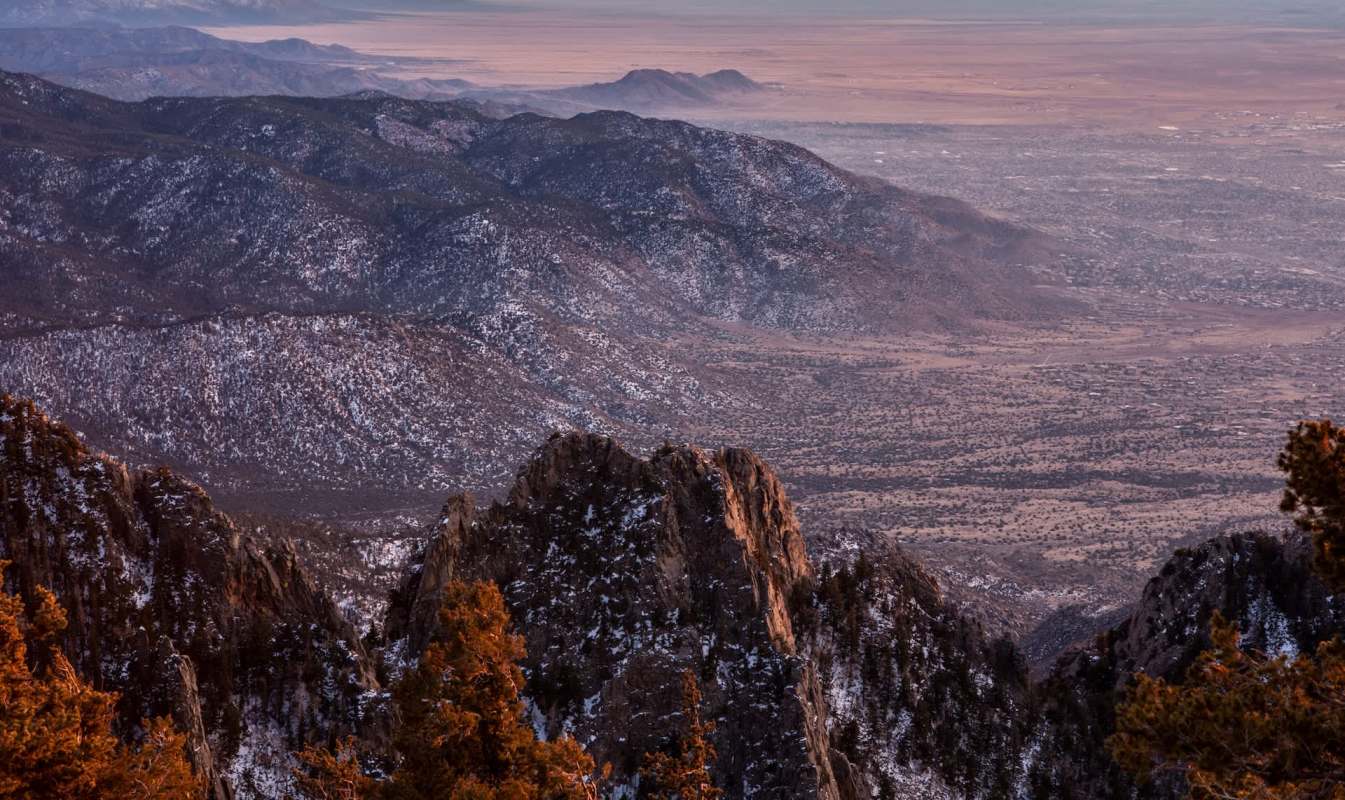
If you live in the western U.S., you may have forgotten what snow looks like this season. Federal meteorologists say the recent onslaught of warm storms has pushed the region into a "snow drought."
What's happening?
Early this month, the National Oceanic and Atmospheric Administration announced that snow cover across the West had dropped to its lowest levels since satellite records started in 2001. As of Dec. 7, snow covered just 90,646 square miles across the region.
That's all, despite average precipitation levels, as near-record-high temperatures so far this winter keep snowfall from accumulating, preventing snowpack from building during an otherwise wet period.
Snow drought conditions are most severe in California's Sierra Nevada, the Cascade Range in Washington and Oregon, the Blue Mountains of Oregon, and Nevada's Great Basin, where current snow levels are below 50% of the median.
Why are these conditions concerning?
Snowpack acts as a slow-release water source, feeding rivers and reservoirs well into spring and summer. When precipitation falls as rain, it runs off quickly, raising flood risks now while reducing water availability later.
This threatens drinking water supplies, agriculture, hydropower, and winter tourism economies. It also lays the groundwork for drier soils and increased wildfire risk once warmer months arrive.
TCD Picks » Quince Spotlight
💡These best-sellers from Quince deliver affordable, sustainable luxury for all




While individual warm winters have happened before, increasing global temperatures are intensifying these extreme weather conditions every year, making storms more destructive and droughts much longer.
Weather events like this have become more frequent and longer-lasting because of rising temperatures and the burning of coal, oil, and gas for energy, which releases heat-trapping air pollution into the atmosphere.
What's being done about this?
Even though the region is facing snow drought conditions, the NOAA noted, per Source NM, that since winter just began, "snowpack can change dramatically with a single storm in the early season."
Cold, wet weather is needed to reverse this current drought. But long-term efforts focus on reducing heat-trapping pollution through clean energy expansion, improving water storage, and making communities more resilient to floods and droughts.
For individuals, steps like weatherizing buildings, switching to solar, and conserving water can help ease pressure on stressed systems and save you money on repairs in the long run.
|
How worried are you about rising ocean levels? Click your choice to see results and speak your mind. |
 Very 😰
Get TCD's free newsletters for easy tips to save more, waste less, and make smarter choices — and earn up to $5,000 toward clean upgrades in TCD's exclusive Rewards Club.







