


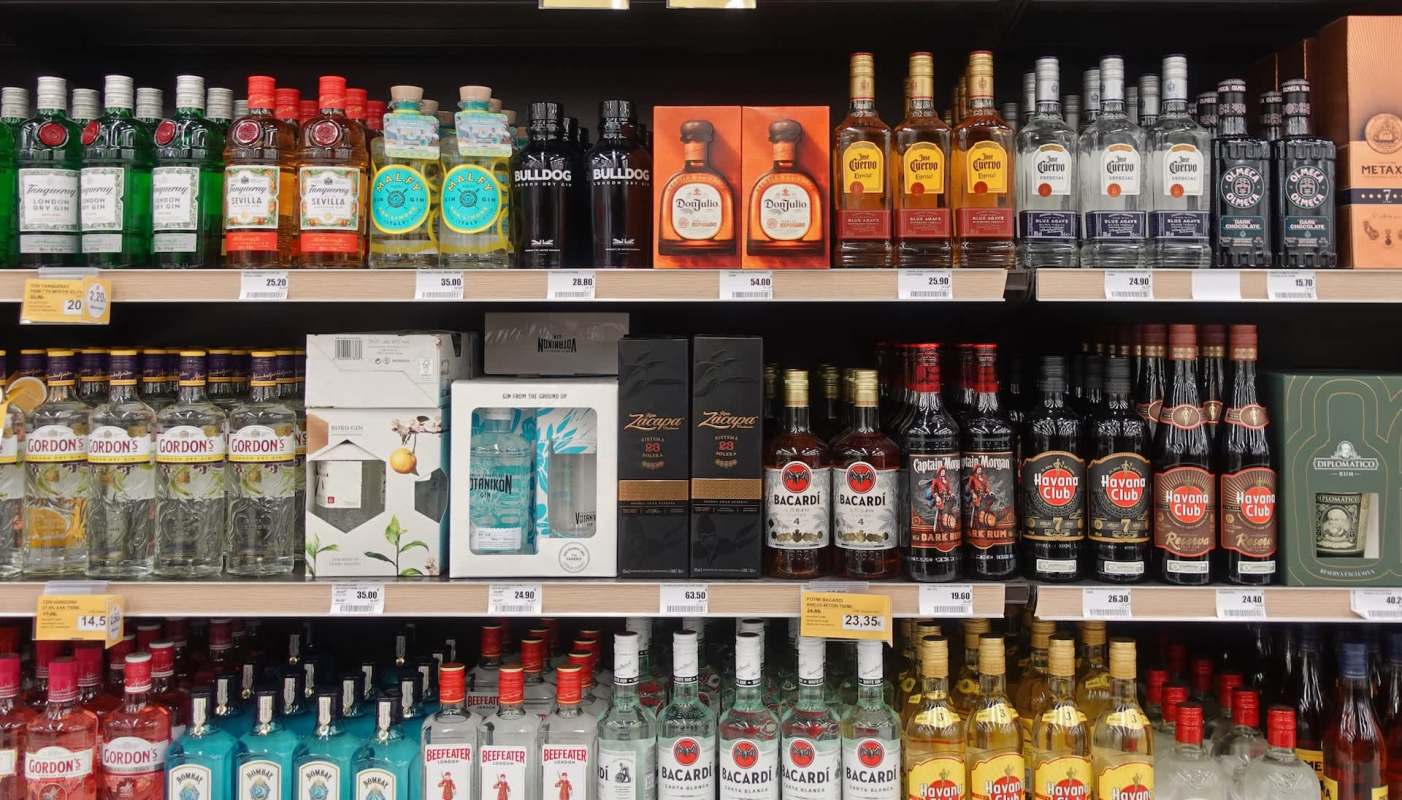
A drunk raccoon was discovered inside a Virginia liquor store bathroom — yes, you read that right.
While this shocking incident may seem humorous at first, wildlife experts say it reflects a much larger and troubling trend.
What's happening?
Authorities in Ashland, Virginia, responded to a call from a local liquor store, where a raccoon had ransacked shelves, smashed bottles, and was found "passed out in the bathroom," according to ABC News. Luckily, no one was hurt in the incident.
According to Hanover County Animal Protection & Shelter, the raccoon had apparently accessed and consumed multiple types of alcohol before collapsing in the bathroom.
In a social media post, the shelter described the raccoon as "very intoxicated" but otherwise unharmed. After several hours of rest and observation, the raccoon was transported back to the wild.
News of the incident went viral, with many people noting that raccoons appear to have become increasingly adept at navigating urban environments to exploit food sources, including human trash, leftovers, and store shelves.
TCD Picks » Quince Spotlight
💡These best-sellers from Quince deliver affordable, sustainable luxury for all




Why is raccoon-human interaction concerning?
As residential footprints expand and natural habitats shrink, wildlife is being forced to adapt to environments dominated by humans. Deforestation, construction, and rising global temperatures are altering food and water availability, pushing animals closer to people in search of nourishment and shelter.
Recent research on North American raccoons has shown that urban populations are already changing.
Raccoons that live near humans tend to have shorter snouts, a trait that is often associated with domestication. Scientists believe these changes may be driven by constant exposure to people, reliance on human food waste, and reduced fear responses.
While a drunk raccoon may seem like something to chuckle about, this situation very easily could have ended horribly.
|
Should national parks be allowed to ban visitors for bad behavior? Click your choice to see results and speak your mind. |
 YES 👍
YES 👍 Alcohol, toxic foods, traffic, and disease all pose serious threats to wildlife navigating cities. Intoxicated or frightened wildlife can also cause injuries, disease, and property damage.
What's being done about human-wildlife encounters?
Wildlife agencies emphasize prevention. Securing trash and limiting access to food outside homes as well as conserving more land and protecting remaining green spaces can reduce risky interactions.
Local animal shelters and control officers play a huge role by safely removing animals and returning them to their natural habitats. Ensuring funding and other support for these operations can help keep everyone safe.

Get TCD's free newsletters for easy tips to save more, waste less, and make smarter choices — and earn up to $5,000 toward clean upgrades in TCD's exclusive Rewards Club.







