


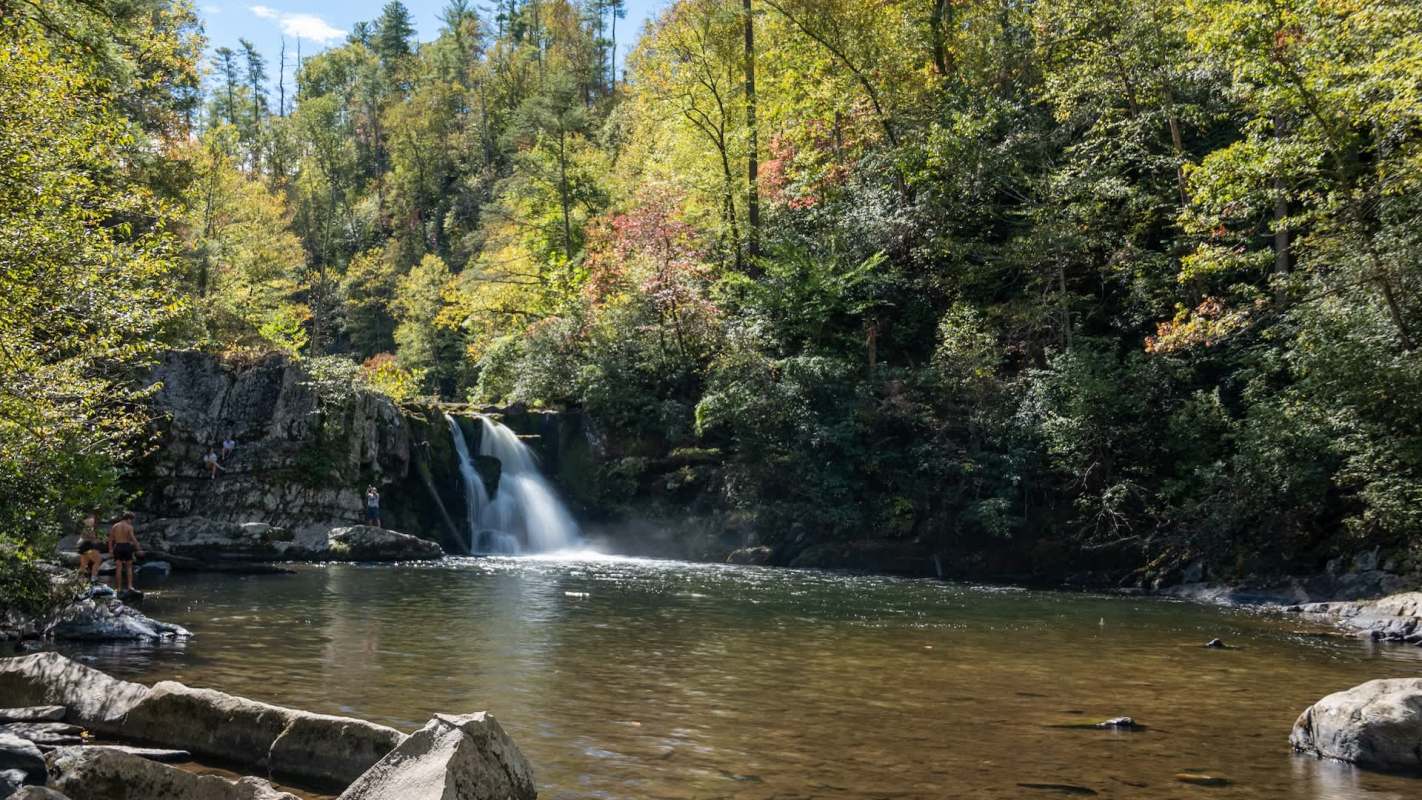
Wildlife managers in Tennessee are moving to the next phase of a decades-long effort to restore a habitat devastated by a misguided venture in the 1950s.
Knox News reported that the dozens of species of Abrams Creek in the Great Smoky Mountains National Park were devastated by the introduction of rainbow trout in 1957.
To make way for the popular sport fish, pesticides were used to clear out the native species. Of the 67 marine species present, 46 were wiped out by the failed scheme. Since the 1980s, officials have worked to outdo the damage.
The next step is to bring back the mussels whose small size belies the enormous role they play in the river ecosystem.
Matt Kulp, supervisory fisheries biologist for Great Smoky Mountains National Park, told Knox News, "Now it's time to move on to reintroducing mussels and close the loop on what that aquatic system should probably look like."
Reintroducing a lost species to its former habitat is a tough task at the best of times, but it's even more difficult in this case.
TCD Picks » Quince Spotlight
💡These best-sellers from Quince deliver affordable, sustainable luxury for all




One issue is identifying which of Tennessee's 141 mussel species were lost in the first place, a task made even trickier by the lack of reliable pre-1957 wildlife surveys of Abrams Creek. The complex reproductive cycle of the mussels is yet another obstacle, as they need a specific host fish to carry larvae.
It's an effort worth making for mussels to act as natural water filters or the "livers of rivers," as the National Park Service eloquently put it. One mussel filters up to 15 gallons of water per day during feeding.
Restoring a habitat to its former glory is challenging but worthwhile local work that never really ends.
As Kulp reflected, his organization's work will lay important foundations for his successors: "Long after I'm gone, whoever is here working will have a game plan, or at least a road map, to which species could be reintroduced."
|
Should America work to improve trade with China? Click your choice to see results and speak your mind. |
 Definitely 👍
Get TCD's free newsletters for easy tips to save more, waste less, and make smarter choices — and earn up to $5,000 toward clean upgrades in TCD's exclusive Rewards Club.







