Residents and visitors familiar with Alberta, Canada, can share many stories of witnessing wildlife. From bears to deer, moose, and beavers, the province has thriving populations.
One of the more exciting animals in the area? The mountain lion, also known as a cougar. But what if one runs right across your path?
What's happening?
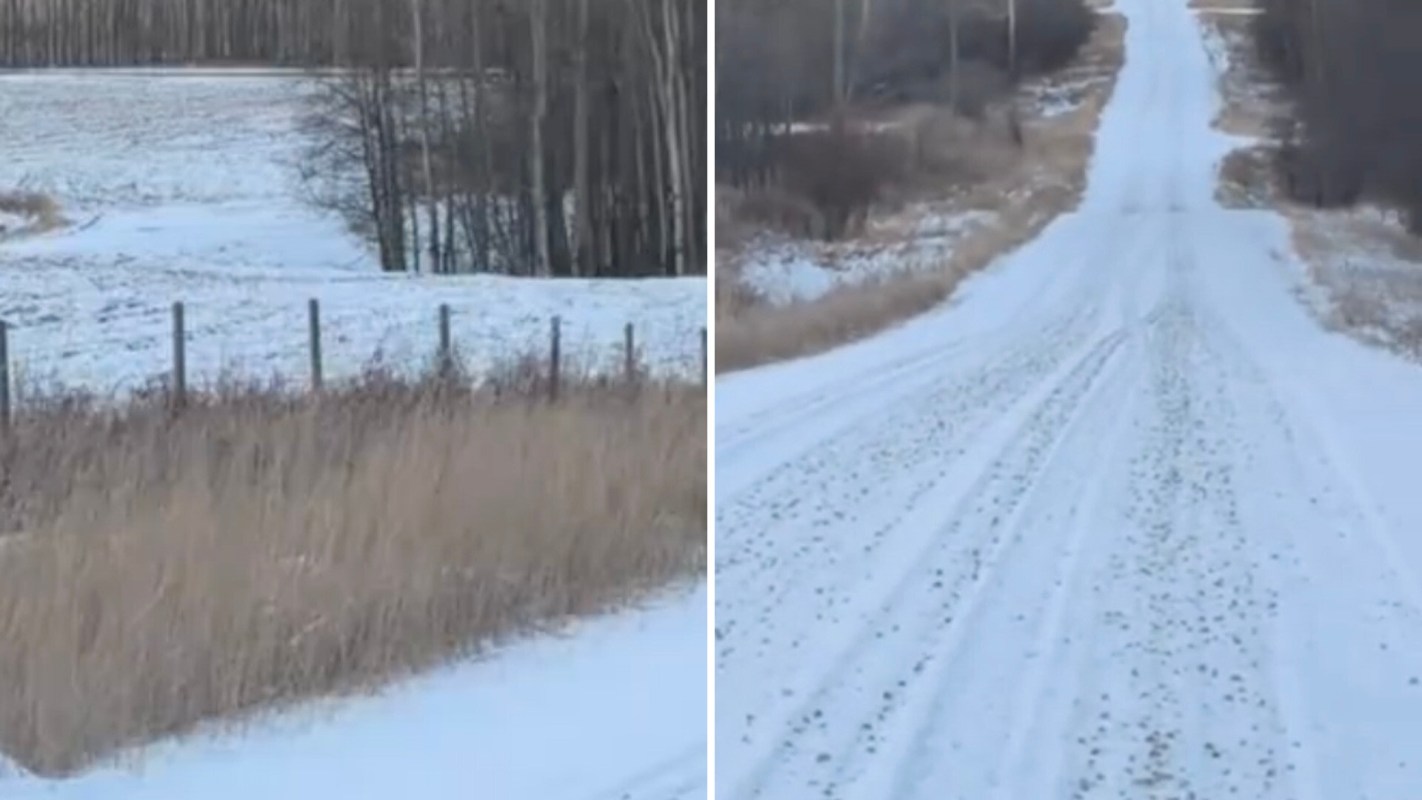
Alberta resident Tina Hayes (@outwestbannockbites) shared a video documenting her husband's recent excursion.
"My husband was driving down the back road with his Hunter, and they captured this beautiful cougar. Walking distance from our place!" Hayes wrote.
@outwestbannockbites My husband was driving down the back road with his Hunter and they captured this beautiful cougar! Walking distance from our place! ##fyp #alberta #canada #cougar ♬ Deer Huntin Man - Single - Michael Austin
Commenters were keen to share their own experiences with cougars.
"Will be hurtful on the deer population. We have one or two in the area that we hunt and it's noticeable how many less deer there are," one viewer wrote.
Save $10,000 on solar panels without even sharing your phone number Want to go solar but not sure who to trust? EnergySage has your back with free and transparent quotes from fully vetted providers that can help you save as much as $10k on installation. To get started, just answer a few questions about your home — no phone number required. Within a day or two, EnergySage will email you the best local options for your needs, and their expert advisers can help you compare quotes and pick a winner. |

"They are way more common than you think," another shared.
Why is this important?
According to the Government of Alberta, cougars usually live in wooded, rocky areas rather than flat, open terrain. While they occasionally pass through river valleys and other corridors, if they are found in flatter and more residential areas, it's possible they are experiencing habitat loss.
Habitat loss can be driven by a number of factors, including development projects, which often push into wild spaces. Construction can decimate ecosystems, impact animals' food supplies, and disturb their behavior.
Exacerbated by human-induced changes in weather patterns, wildlife seeking food and water sometimes roam into nearby communities, increasing the chance of human-wildlife encounters.
TCD Picks » Quince Spotlight
💡These best-sellers from Quince deliver affordable, sustainable luxury for all




|
Do you think humans are doing enough to protect endangered animals? Click your choice to see results and speak your mind. |
 Definitely 👍
 Experienced at a distance, such encounters can leave human witnesses with a sense of awe, even as they may also be a concerning sign of habitat destruction. Up close, these encounters could mean danger for animals and for humans, including an increased risk of car crashes when animals cross roadways, as in this case in Alberta.
Pushing into new zones could also prove disruptive and dangerous for other species. As one commenter pointed out, ecosystem imbalance could be impactful on deer populations. Down the line, this could have knock-on effects for the plant life deer typically consume.
What's being done?
The Alberta government moved to increase cougar hunting, according to a June report from The Narwhal, which quoted conservation specialist Ruiping Luo as saying the hunting quota changes "were not based on science and there were other factors, like economics, interfering."
Wildlife experts generally recommend addressing human-wildlife encounters through land conservation, habitat rehabilitation, transferring animals to safer locations, and prioritizing trail cameras to monitor animal populations and keep people safe.
In the meantime, should you encounter a cougar in the wild, officials recommend steps that include backing away, not running, never turning your back, and being prepared to fight back using bear spray and anything else at hand.

Get TCD's free newsletters for easy tips to save more, waste less, and make smarter choices — and earn up to $5,000 toward clean upgrades in TCD's exclusive Rewards Club.
Cool Picks