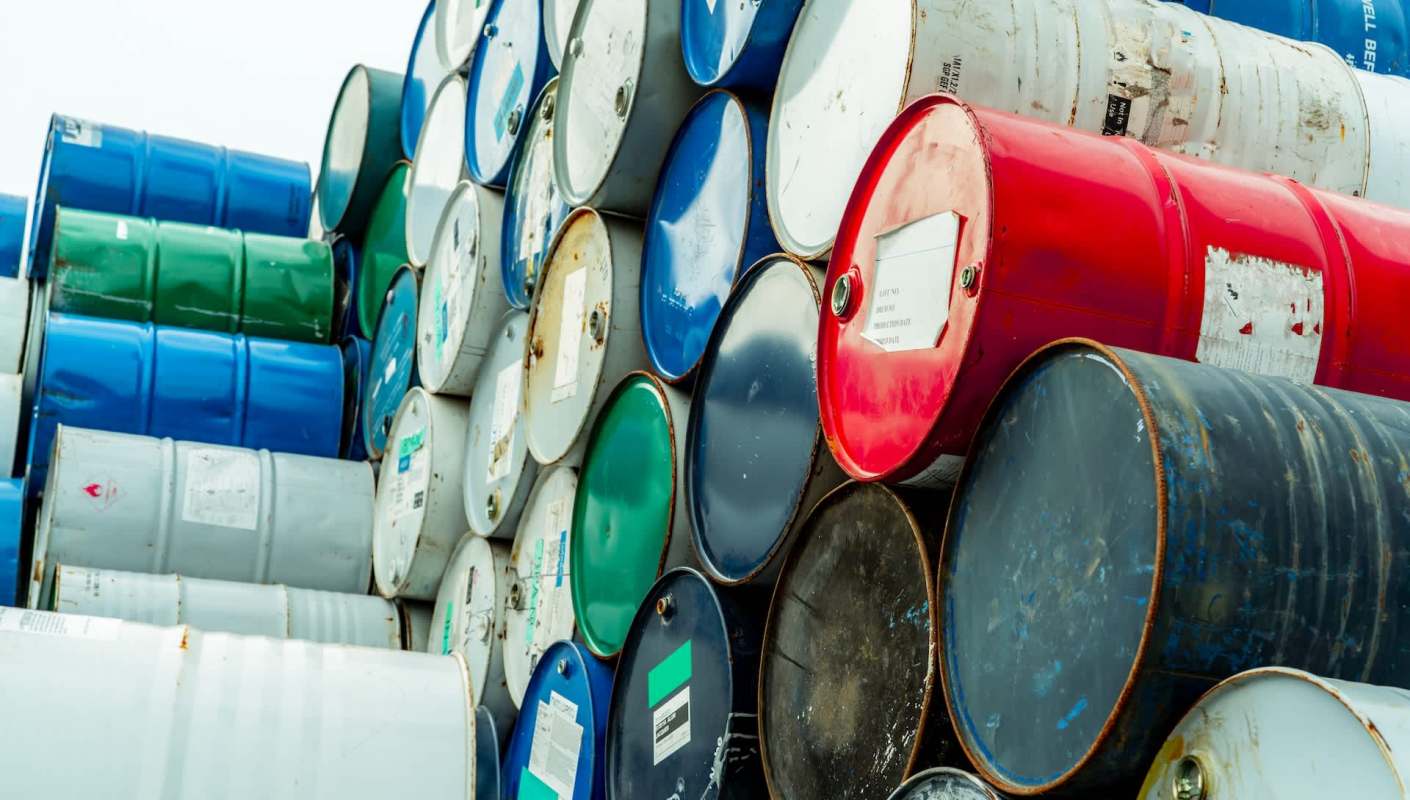
Residents of the French Caribbean territories Guadeloupe and Martinique are pushing the French government to address pesticide exposure on the islands, according to Inside Climate News.
Banned in the United States in the 1970s, the insecticide chlordecone — sometimes referred to by the brand name Kepone — was used on the banana farms of Guadeloupe and Martinique until the mid-90s. The chemical was later linked to cardiac and hormonal conditions, according to the Guardian, which reported that the islands have seen some of the world's highest rates of prostate cancer.
Residents and researchers suspect other concerns, including reproductive health issues, may be linked to exposure. In a study published in the journal Environmental Health in October, the co-authors wrote, "Our study supports the hypothesis that chlordecone affects the fertility of women and is therefore a public health concern in widely contaminated areas, such as the French West Indies."
Back in March, a French court ruled that the country must compensate 11 island residents over their exposure to the pesticide. The plaintiffs included Guadeloupe-born Georgina Lambert, who is likely to have been exposed since childhood. Though not proven to be caused by chlordecone, Lambert experienced six consecutive miscarriages in adulthood, according to Inside Climate News.
The state has said it plans to appeal the ruling, sparking criticism. "It's incomprehensible to the residents of the French Caribbean," Christophe Leguevaques, the attorney who represented the French Caribbean plaintiffs, told the environmental news outlet.
Despite the plans for appeal, the court ruling may signal a promising step for communities seeking recognition of and compensation for what could be widespread environmental harms. About 90% of residents have traces of chlordecone in their blood, according to Inside Climate. With a legal win, the French government may be pushed to further support victims and protect the public, including through strengthened soil and water testing and clean-up measures.
TCD Picks » Good Store Spotlight
Get 10% off your next purchase with code TCD10
These are critical because the chemical may linger in habitats and agricultural systems for centuries. Advocates like Josiane Jos Pelag, who runs the local group Medical Association for the Protection of Environment and Health in Martinique, have pushed for a zero-tolerance approach to chlordecone in food and drink.
"They're trying to contain the problem, not solve it," she told Inside Climate News. "It's not ambitious enough."
|
Do you worry about having toxic forever chemicals in your home?
Click your choice to see results and speak your mind. |
 Majorly 😥
Get TCD's free newsletters for easy tips to save more, waste less, and make smarter choices — and earn up to $5,000 toward clean upgrades in TCD's exclusive Rewards Club.