


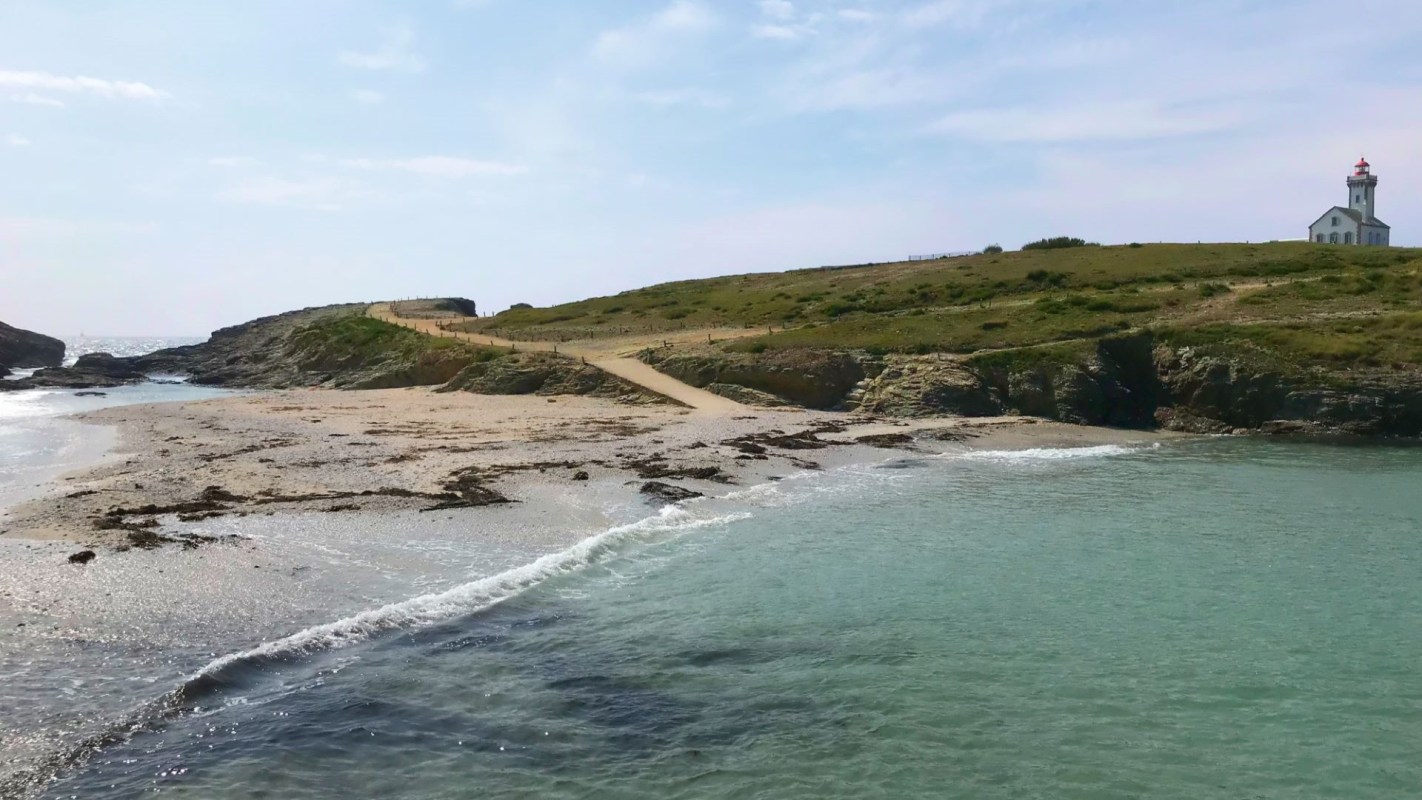
Archaeologists off the coast of Brittany, France, have discovered a 394-foot wall beneath the waves.
The threshold of solid stone, which could date back to 5,000 BCE, may just show what happens when humans try to build walls to block the ocean's might.
What's happening?
The wall is believed to have been built for catching fish or protecting people from destructive seawater, according to the BBC.
At around 66 feet wide and seven feet high, the solid 3,600-ton mass of stone has lasted for about 7,000 years, per the researchers, who believe it to have been constructed in the context of a Stone Age community of hunter-gatherers.
While the wall would have been well-situated on the shoreline when in use, it is now 30 feet underwater.
Why is this concerning?
With big risks posed by ever-rising seas, discoveries like this one help to demonstrate how coastal communities could one day disappear beneath ocean waters.
TCD Picks » Quince Spotlight
💡These best-sellers from Quince deliver affordable, sustainable luxury for all




Those who built the wall may have put it up to try and mitigate a rising tide in their own time.
In its coverage, the BBC cited a paper published in the International Journal of Nautical Archaeology. "The submersion caused by the rapid rise in sea level, followed by the abandonment of fishing structures, protective works, and habitation sites," according to the paper, "must have left a lasting impression."
Driven by human activity — namely, the burning of polluting fuels — which is contributing to the overheating of the planet and the melting of glaciers, sea levels are now consistently reaching all-time highs. Their impacts are already being felt, particularly in vulnerable coastal and island communities.
What's being done about this?
People can take steps now to lower their contributions to the pollution that is heating the planet and driving rising seas. And these can look like everything from avoiding fuels such as oil and coal to exploring plant-based diets.
Governments, environmental groups, and grassroots organizations are also working to protect communities. By funding research and implementation projects, efforts like installing living shorelines and mapping safe evacuation routes can help mitigate disasters.
|
How concerned are you about the plastic waste in our oceans? Click your choice to see results and speak your mind. |
 Extremely 😫
Get TCD's free newsletters for easy tips to save more, waste less, and make smarter choices — and earn up to $5,000 toward clean upgrades in TCD's exclusive Rewards Club.







