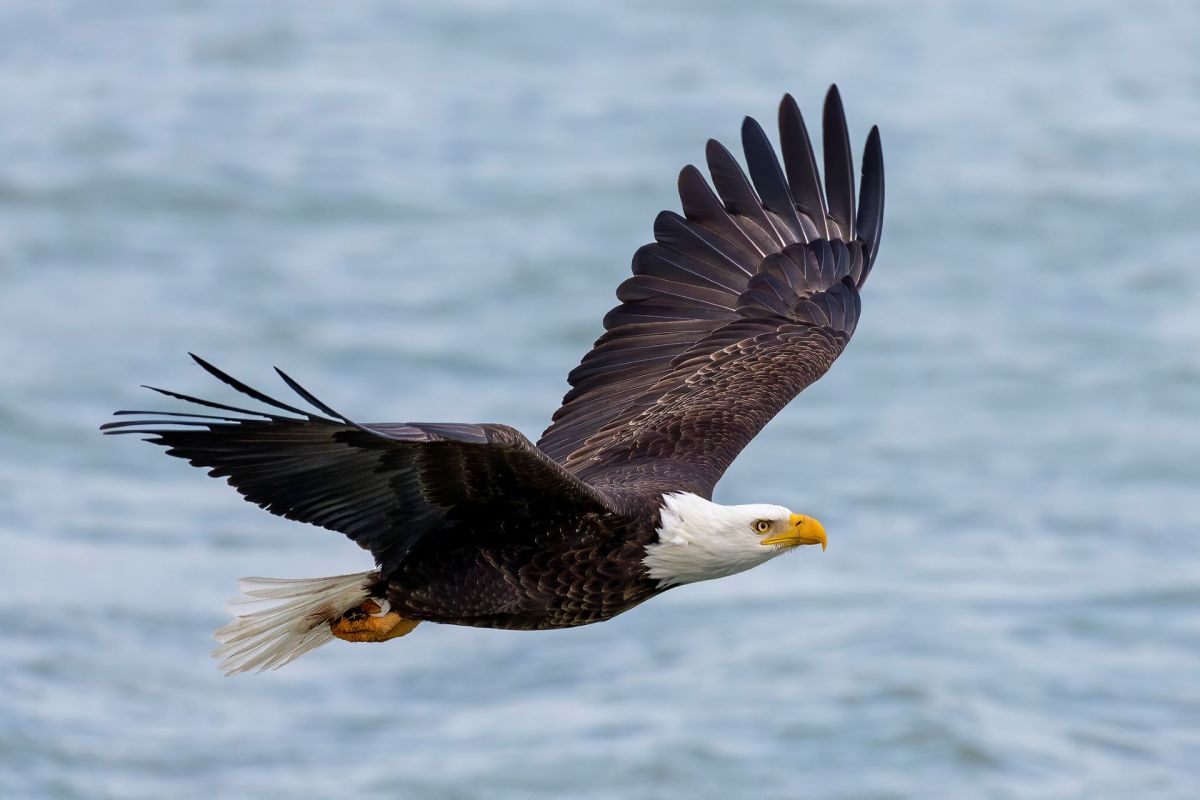
A surprising discovery about bald eagles in Arizona is forcing scientists and the communities that share space with these birds to rethink how wildlife moves through modern landscapes, reported Science Daily.
Instead of heading south like most migratory birds, many young bald eagles are flying north during their non-breeding season. They're following routes that expose them to serious, human-made dangers.
Researchers said this unexpected pattern "raises interesting questions" and highlights "ongoing risks" that affect wildlife and people working toward a cleaner, safer future.
What's happening?
Scientists tracked 24 young bald eagles and two nonbreeding adults between 2017 and 2023 using satellite transmitters. They found that many eagles born in Arizona migrate north during summer and fall, traveling through the western U.S. and into southern Canada.
This timing is unusual because Arizonian bald eagles nest in winter. Their "off season" happens when most birds are heading the opposite direction.
Along the way, the eagles rely on long-known lakes and rivers as stopover sites. Some of them were identified decades ago. As the birds get older, their routes become more precise, and most eventually return to Arizona.
TCD Picks » Quince Spotlight
💡These best-sellers from Quince deliver affordable, sustainable luxury for all




However, these long journeys also bring danger.
One tracked eagle traveled across multiple states and provinces before settling in California, where she was later killed by electrocution.
Why is this concerning?
These findings matter because they reveal gaps in how human systems protect both wildlife and communities. Presence of power lines, poisoning, and other hazards along migratory routes are signs of infrastructure that haven't kept pace with changing movement patterns.
The things that poison or electrocute birds, like outdated electrical systems to land-use planning that overlooks safety, can also threaten people.
|
Do you think America does a good job of protecting its natural beauty? Click your choice to see results and speak your mind. |
 Definitely 👍
 If these issues continue, they could slow progress toward a safer future. They could force communities to respond to preventable problems instead of investing in long-term solutions.
The loss of birds also reduces opportunities for research that helps scientists understand how animals adapt to change: knowledge that benefits everyone.
What's being done about it?
Researchers are calling for closer attention to key travel corridors and stopover sites that eagles use year after year. By identifying high-use areas, conservation efforts can focus on making existing infrastructure safer and reducing hazards along these routes.
Researchers, like those at Durham University, are playing a key role by analyzing bird data that helps reveal where human-made systems put birds in danger.
Continued tracking of eagles at different life stages is also helping scientists figure out where risks are highest. This can allow communities to act before more losses occur.

Get TCD's free newsletters for easy tips to save more, waste less, and make smarter choices — and earn up to $5,000 toward clean upgrades in TCD's exclusive Rewards Club.