


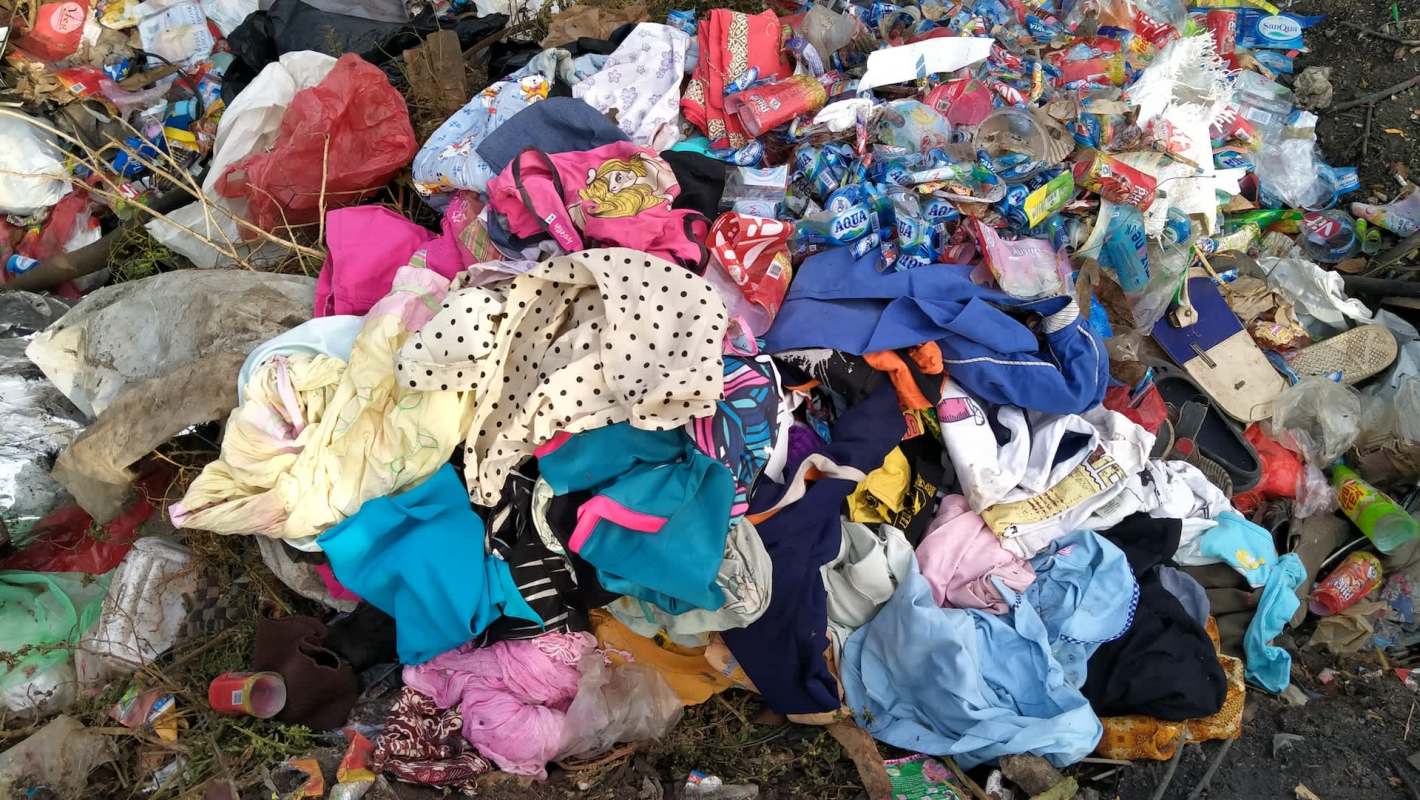
As bizarre as it sounds, the best way to deal with rampant fast fashion might be to cultivate mushrooms on textile waste.
The European Commission detailed the findings of a recent study published in the Environmental and Climate Technologies journal that highlighted innovative approaches to tackling Europe's textile waste.
The EU has initiatives to separate and recycle textile fibers as part of the Waste Framework Directive legislation. Even if that is achieved, what to do next is up in the air.
EU member states could do even more sorting and separating to eventually produce recycled products. Another option is taking the mixed textiles and forming new products out of them as is. To explore that route, the researchers analyzed 27 papers on potential solutions for mixed textile waste across various industries.
Researchers honed in on four different routes. Those included deriving a mushroom-based insulation, creating bio-oil and other plastic precursors, using textiles as a building material, and producing new polymers primarily for items like foams and bioplastics.
To evaluate the best solution, the researchers ranked each solution on their environmental, economic, technical, and social merits.
TCD Picks » Quince Spotlight
💡These best-sellers from Quince deliver affordable, sustainable luxury for all




Fungal-based insulation came out on top. The authors determined it had "the highest potential for further development." The method involves growing a specific type of oyster mushroom on top of recycled textiles and agro-industrial waste products.
The advantages of the method included its material flexibility, the considerable scope of research already on it, and its simplicity. The researchers did note that there is work to be done to bring the insulation materials up to existing technologies that have better thermal conductivity's standards.
Still, this creative solution could be an intriguing way to contend with the environmental consequences of trends like fast fashion. As it stands, textile waste from companies like Shein and Temu are piling up in landfills. All of these clothes end up across the globe and harm people and their local environments.
It's good news that the EU's new legislation is taking action in gathering discarded textile waste. But figuring out ways to deal with it is of the essence.
The researchers suggested that their work can help guide policymakers and researchers in those steps. They pointed to further analysis of mushroom-based products and optimization of their properties that could make it technically viable.
|
What should the government do about the fast fashion industry?
Click your choice to see results and speak your mind. |
 Set strict regulations 🚫
Get TCD's free newsletters for easy tips to save more, waste less, and make smarter choices — and earn up to $5,000 toward clean upgrades in TCD's exclusive Rewards Club.






