


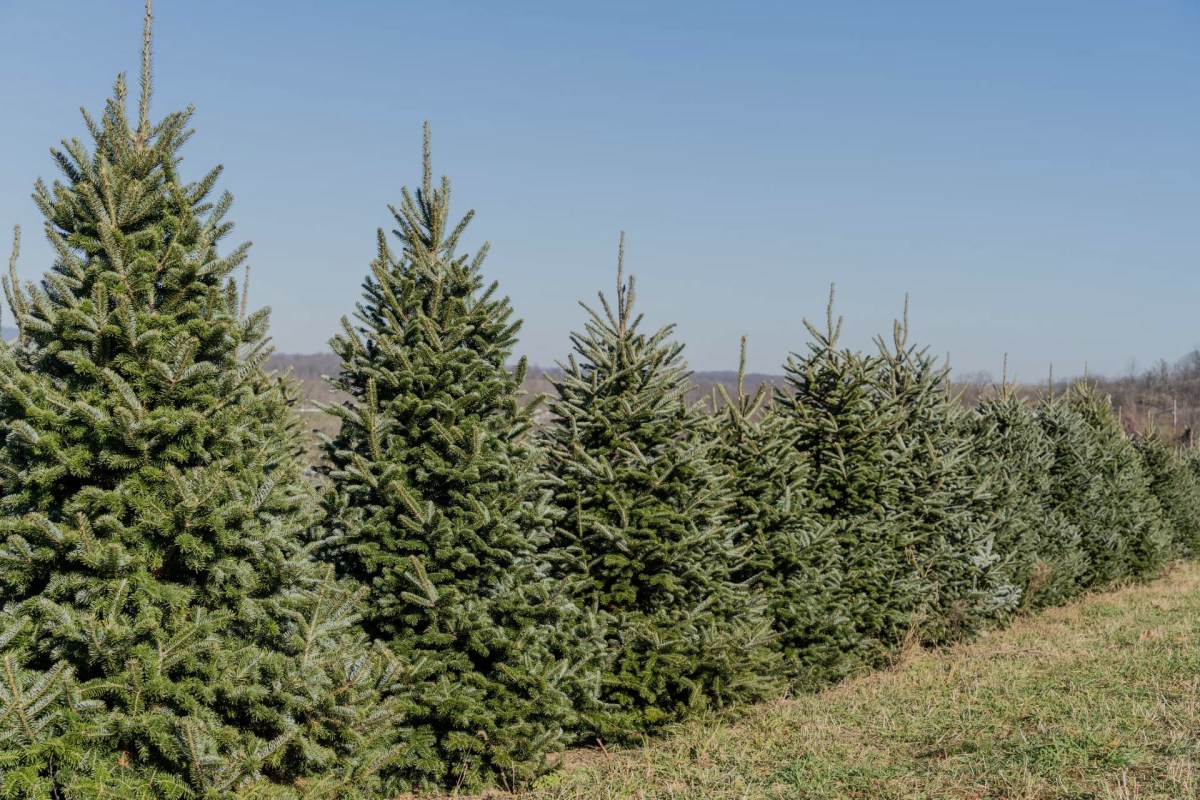
Evergreen trees are facing more than being chopped down for Christmas, as lingering drought conditions threaten the future of holiday staples across New Hampshire.
What's happening?
New Hampshire is one of the country's top Christmas tree-producing states, with thousands of acres dedicated to evergreens and tens of thousands harvested each year.
But growers are watching the skies nervously as the state continues to recover from moderate to severe drought, according to Valley News.
The timing matters. Much of the driest stretch hit after mature trees had gone dormant, limiting immediate damage. Younger trees, however, are far more vulnerable. Seedlings and saplings rely on consistent moisture, and if dry conditions persist into spring — when trees break dormancy — their growth could stall or stop entirely.
Steve Roberge, state forester with the University of New Hampshire Cooperative Extension, warned that extended dryness could lead to "some very slow growth or no growth at all … there may be a lot of mortality."
Why is this important?
Christmas trees aren't a quick crop. Most spend close to a decade in the ground before they are ready for a living room, which means damage now doesn't show up right away — it shows up years from now.
TCD Picks » Quince Spotlight
💡These best-sellers from Quince deliver affordable, sustainable luxury for all




If young trees don't make it, farmers can't just plant a new batch and call it fixed, and shortages down the road become much harder to avoid.
This isn't an isolated bad year. Soil dries out faster than it used to, and rain shows up late — or all at once. When it finally comes down hard, much of it runs off before trees can use it, leaving young roots struggling despite the storm.
Dry spells have always existed, but scientists say human-driven warming intensifies these storms, making droughts more frequent and recovery harder.
As soil stays parched, forests become more flammable, reservoirs refill more slowly, and seasonal Industries — from maple syrup to fall foliage — grow less reliable.
|
What is the biggest reason you don't grow food at home? Click your choice to see results and speak your mind. |
 Not enough time ⏳
 What's being done about it?
Tree growers aren't sitting back and hoping for rain. Many are closely monitoring soil moisture, spacing younger trees more carefully, and adjusting planting schedules to help seedlings survive dry stretches.
Extension programs in New Hampshire also track conditions statewide, offering guidance on when to plant or hold off.
Consumers can help by buying locally grown trees, watering them regularly once indoors, and recycling them after the holidays.
Together, these steps help farms navigate a future in which even long-standing traditions depend on steadier access to water.

Get TCD's free newsletters for easy tips to save more, waste less, and make smarter choices — and earn up to $5,000 toward clean upgrades in TCD's exclusive Rewards Club.







