


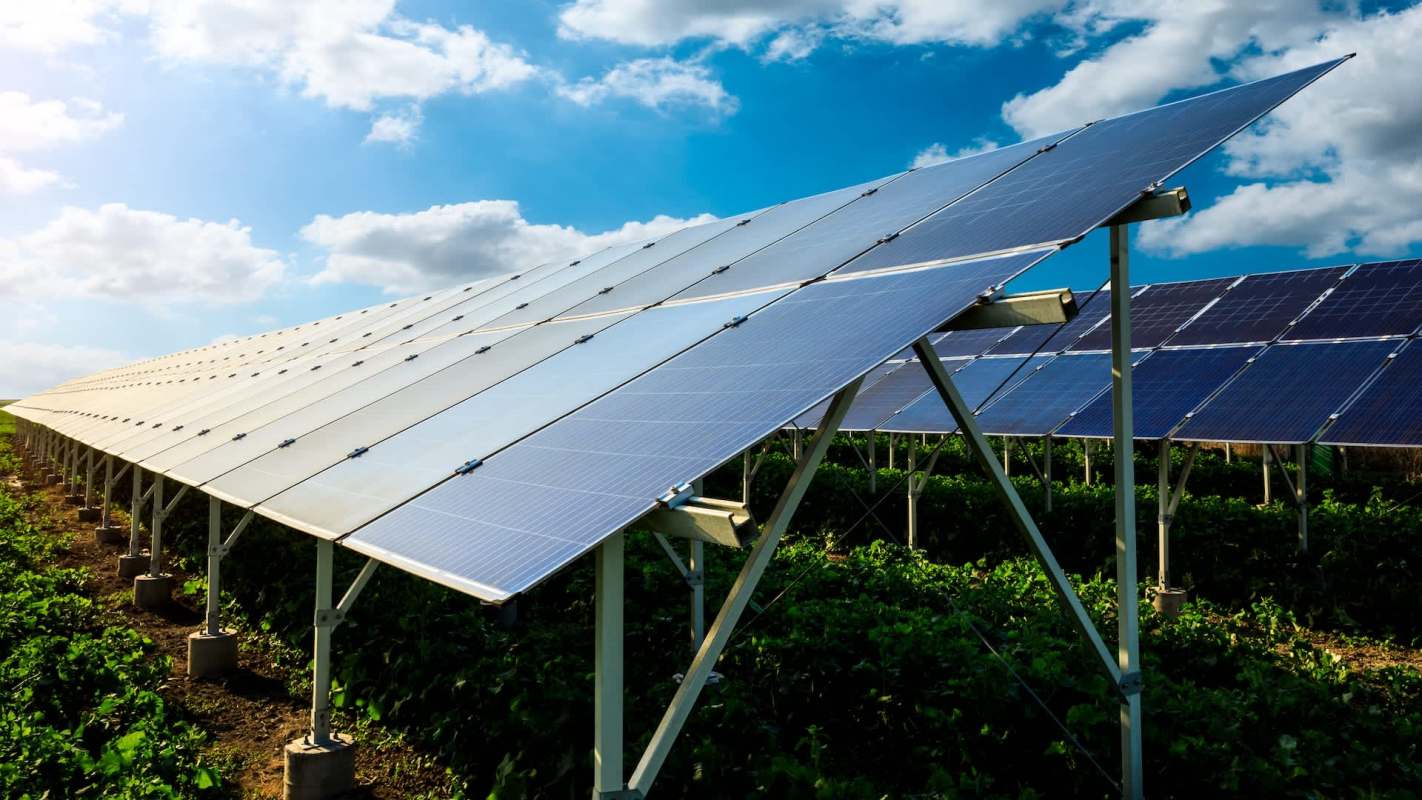
A recent study shows that there's one surprisingly big winner from placing solar panels over crops — farmworkers.
University of Arizona researcher Talitha Neesham-McTiernan revealed just how the shade and supporting structures of solar panels benefit workers in a press release on her team's findings.
Much of the attention and research surrounding agrivoltaics examines how it affects crops, grazing animals, and the financial prospects of farmers. Neesham-McTiernan, however, picked up on something totally different in her work. Both laborers and researchers were intentionally using the shade of solar panels to beat the heat.
"It just seemed to be something that people in these systems were doing, but nobody in the research area was talking about it," she said.
That insight sparked a collaboration with Jack's Solar Garden in Longmont, Colorado, where interviews with farmworkers revealed significant benefits compared to traditional farms.
Agrivoltaics creates coveted shaded areas for farmworkers. That's critical when you consider they are 35 times more likely to suffer fatal heat-related illnesses than nonagricultural workers.
TCD Picks » Quince Spotlight
💡These best-sellers from Quince deliver affordable, sustainable luxury for all




Scientific data backed the workers' instincts on the shade. Solar panels reduced the wet bulb globe temperature, a heat-measuring system, by up to 10 degrees. Workers found other ways to capitalize on the panels as well. The shaded area provided a great place to keep their water cool, and the beams were a pleasant backstop to lean on for a break.
The research pointed to the panels helping workers conserve energy, avoid the full brunt of the sun, destress mentally and physically, and recover better for the next day. Those findings only add to the appeal of agrivoltaics.
As Neesham-McTiernan alluded to, agrivoltaics has well-known benefits for farmland. Those include reducing crop damage from sunlight and maintaining cooler irrigation water.
There are also selling points for farmers, including passive income and efficient use of their farmland. Helping out workers as temperatures hit record levels could be another win-win measure for farmers.
To uncover more on that front, Neesham-McTiernan plans to extend her research to other regions and hopes the findings can inform policymakers about the human and environmental benefits of agrivoltaics.
|
Would you rather sign up for community solar, or install panels on your home?
Click your choice to see results and speak your mind. |
 I want panels 🏠
 Neesham-McTiernan emphasized the importance of protecting farmworkers.
"With the threat of heat, we need a catalog of ways we can protect farmworkers," she concluded. "Protecting them and their bodies should be paramount to everyone."

Get TCD's free newsletters for easy tips to save more, waste less, and make smarter choices — and earn up to $5,000 toward clean upgrades in TCD's exclusive Rewards Club.






