


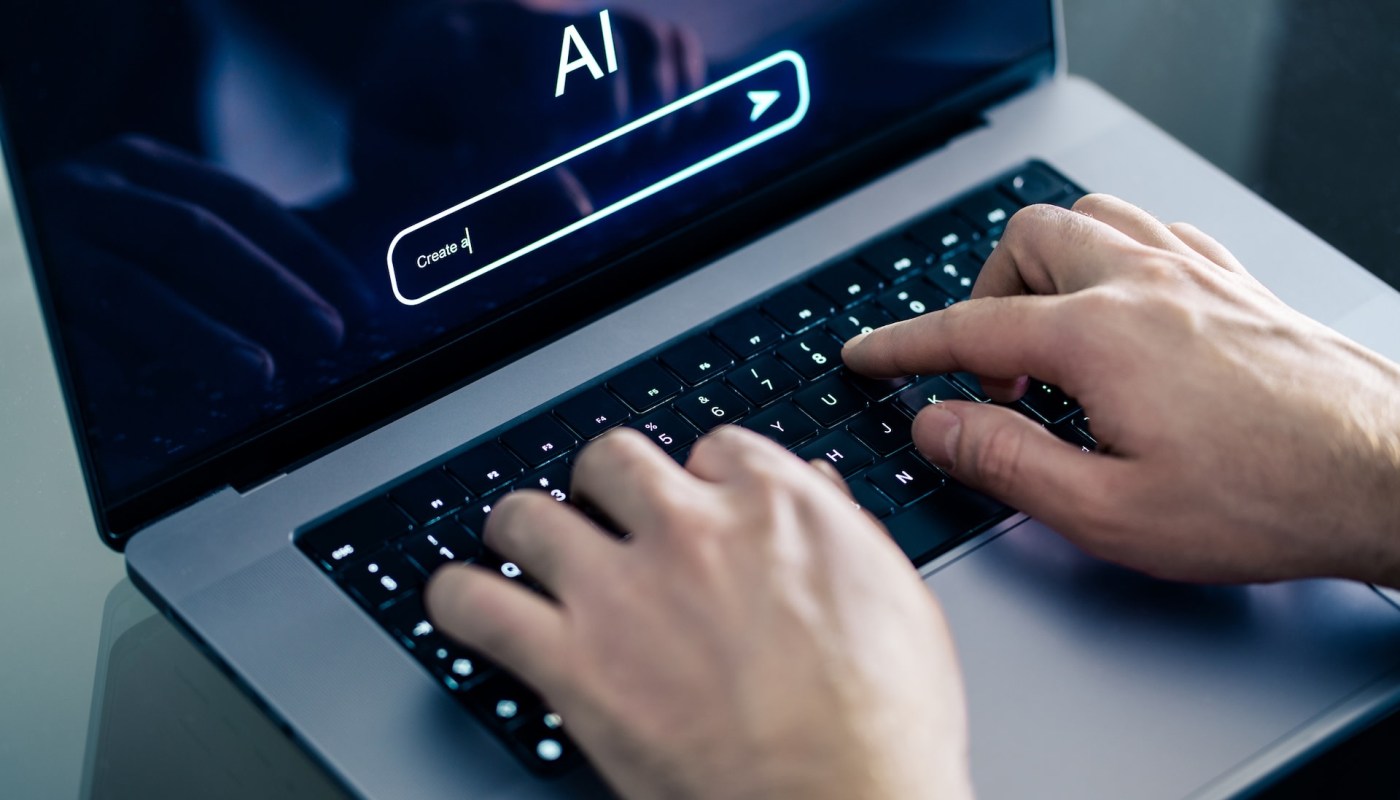
As AI chatbot usage becomes more prevalent, more people are turning to them for mental health support. A new study by researchers at Brown University has discovered problems, as reported by News from Brown.
What's happening?
The study found that, when giving mental health advice, AI chatbots routinely violate the ethical standards of practice that have been established by regulatory organizations such as the American Psychological Association.
The issues found with the chatbots included handling crisis situations inappropriately, reinforcing negative beliefs users expressed about themselves, and creating a false sense of empathy.
In addition to creating enhanced accessibility laced with potential problems for human users, AI use has a significant impact on the environment, both positive and negative.
While AI can help solve some practical problems for humans, it can also help optimize renewable energy systems, reduce carbon pollution, and accelerate sustainability solutions.
We are also seeing drawbacks related to mental health, as the Brown study shows. In terms of negative environmental impacts, AI usage consumes a lot of energy and water, produces carbon pollution during computation, and generates increased e-waste.
TCD Picks » Quince Spotlight
💡These best-sellers from Quince deliver affordable, sustainable luxury for all




Why is the impact of AI chatbots important?
While human therapists aren't perfect and are susceptible to ethical violations, Zainab Iftikhar, the leader of the study and a Ph.D. candidate in computer science at Brown, pointed out that there is a discrepancy in accountability.
"For human therapists, there are governing boards and mechanisms for providers to be held professionally liable for mistreatment and malpractice," Iftikhar said. "But when (chatbot) counselors make these violations, there are no established regulatory frameworks."
It is important for human health and the environment to get a handle on AI use. If we can reduce or eliminate the negative impact, we can better take advantage of the useful tools AI chatbots offer.
What's being done about the problems with AI usage?
Iftikhar and the research team believe that AI is important for accessibility to mental health care, reducing problems with cost or the availability of trained professionals, but that there is a need for appropriate regulation and oversight.
|
How should we protect workers from losing jobs to AI-powered robots?
Click your choice to see results and speak your mind. |
 Financial assistance for job training 💰
 As we improve AI chatbot regulations, we can hopefully improve environmental regulations on AI usage, as well.
Ellie Pavlick, a computer science professor at Brown who was not part of the research team, believes that there is a need for more scientific study surrounding how AI systems are used in mental health settings.
Pavlick stressed: "There is a real opportunity for AI to play a role in combating the mental health crisis that our society is facing, but it's of the utmost importance that we take the time to really critique and evaluate our systems every step of the way to avoid doing more harm than good."

Get TCD's free newsletters for easy tips to save more, waste less, and make smarter choices — and earn up to $5,000 toward clean upgrades in TCD's exclusive Rewards Club.






