


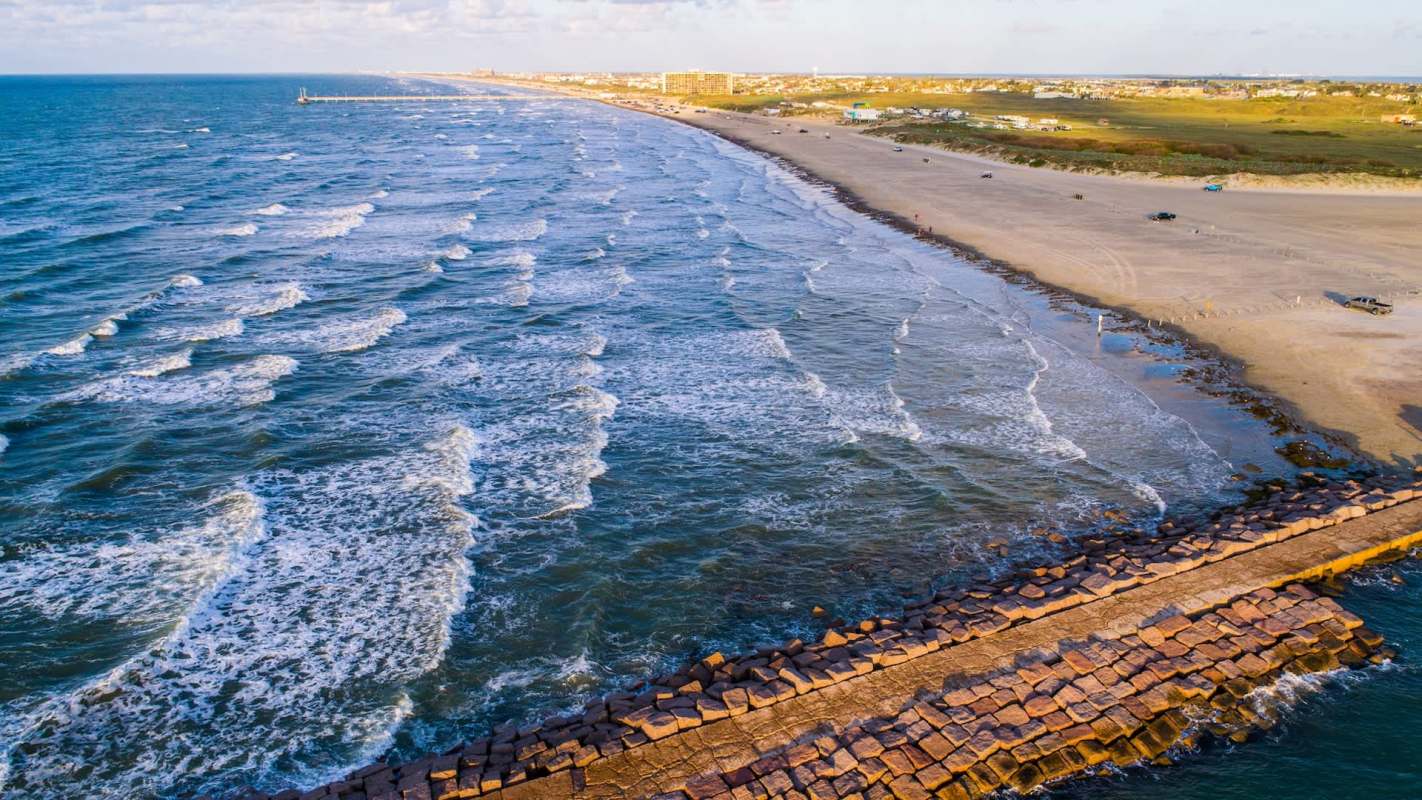
One Texas beachgoer experienced an eight-legged surprise while walking down the shoreline and snapped photos of the octopus that had washed ashore.
Though this visitor wasn't aggressive, according to My San Antonio, their presence on the surface could indicate something unusual happening down below.
What's happening?
According to local reporting, a frequent beachgoer spotted the octopus near the shore at Padre Island National Seashore in early December and captured photos of the animal up close.
Per My San Antonio, the beachgoer said she had "never seen … anything like this," noting that the only similar images she'd come across in the area were of octopuses found dead during the severe Texas freeze of 2021.
Marine scientists confirmed the animal was a common octopus, a species that typically lives offshore and avoids shallow, exposed areas. While they do exist in Texas waters, they are rarely seen by people because they camouflage well and tend to stay hidden during the day.
Experts explained that octopuses sometimes wash closer to shore during sudden cold snaps, when rapid drops in water temperature can disorient marine life and push animals into unfamiliar areas.
TCD Picks » Quince Spotlight
💡These best-sellers from Quince deliver affordable, sustainable luxury for all




Why is this encounter important?
While spotting an octopus might feel magical, scientists say these moments can reflect broader disruptions in ocean conditions. Rapid temperature swings, especially extreme cold following warmer periods, can stress marine ecosystems and force animals out of their usual habitats.
Human activity plays a role here, too. Coastal development leaves wildlife with fewer safe places to retreat when conditions change quickly. As oceans experience more volatility, animals are increasingly likely to cross paths with people in places they normally wouldn't.
These encounters can be risky for both sides. Wildlife may become injured or die from stress or exposure, and people may unintentionally harm animals by approaching, touching, or attempting to "help" without proper guidance.
What's being done about these encounters?
Researchers and conservation groups are closely monitoring unusual wildlife sightings to better understand how changing ocean conditions affect marine species.
|
Do you think your city has good air quality? Click your choice to see results and speak your mind. |
 Definitely 🥰
 In Texas, organizations like Texas Parks and Wildlife continue to study the long-term impacts of extreme weather events, including freezes that have previously harmed local marine life.
On an individual level, experts recommend giving wild animals plenty of space and reporting unusual sightings to local park officials rather than intervening directly.

Get TCD's free newsletters for easy tips to save more, waste less, and make smarter choices — and earn up to $5,000 toward clean upgrades in TCD's exclusive Rewards Club.







