


A fish species not recorded in the wild for more than 20 years was rediscovered in Bolivia, providing a boost for biodiversity.
As published in the journal Nature Conservation, scientists discovered the species Moema claudiae (M. claudiae), a type of rivulidae killifish, in a small, temporary pond.
According to the International Union for Conservation of Nature, the species was thought to be "possibly extinct in the wild."
The last time M. claudiae specimens were collected was in 2003 in a temporary wetland at the río San Pablo floodplains in Bolivia.
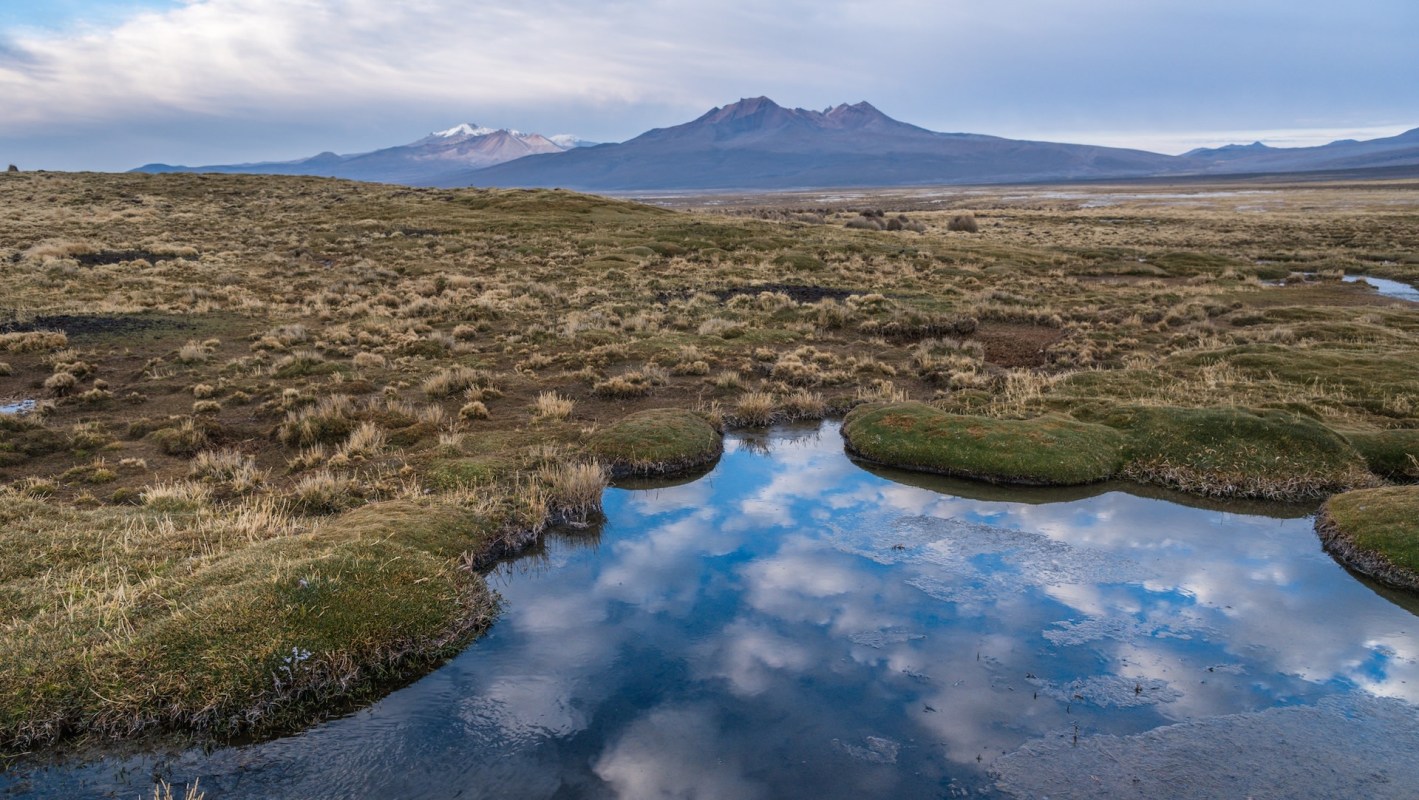
A village has since been built in the area where it was previously seen, and the wetland has been destroyed. Deforestation and agricultural activities have led to habitat loss in the area. Other attempts to collect M. claudiae in similar locations since have been unsuccessful.
The new study's authors, Heinz Drawert and Thomas Litz, set out to rediscover the species (or to find evidence of its extinction) and to collect information about similar species. They collected fish using hand nets for photographic documentation. They discovered male and female M. claudiae in a small blackwater pond in a forest, along with several other rivulid species.
TCD Picks » Quince Spotlight
💡These best-sellers from Quince deliver affordable, sustainable luxury for all




"For me, it is something special to have rediscovered Moema claudiae," said Litz, in a release shared by Phys.org. "This has shown that we now have the opportunity to preserve this species in the wild."
The paper reads, "[The study] offers an exceptional opportunity of a second chance to conserve a species that was already believed to be extinct and lost forever."
The IUCN observed in January 2025 that about 25% of all freshwater animal species in the world are at risk of extinction. A study published in the journal Science noted that the rate of species extinction is 1,000 times higher than the natural background rate of extinction.
The loss of endangered species threatens the balance of ecosystems, potentially reducing food sources and leading to imbalances in predator and prey populations.
|
Do you think America does a good job of protecting its natural beauty? Click your choice to see results and speak your mind. |
 Definitely 👍
 However, there has been positive news, with other near-extinct species of fish rediscovered throughout the world.
In Ireland, the caviar sturgeon, a dinosaur-like fish, was caught for the first time in 40 years. Meanwhile, lake sturgeon, which were on the brink of extinction, are making a comeback in Missouri waters.
With the rediscovery of the species, the scientists hope to preserve the area where the M. claudiae were found. The paper detailed that it is "the most diverse area that is known to date for rivulids in South America."
Scientists have been recommending ways to preserve other endangered fish species, including implementing catch limits and supporting local community conservation efforts.
"Without rapid and effective action to curb the irrational expansion of the agricultural frontier in Bolivia's lowlands, we risk losing some of the world's most important terrestrial and aquatic ecosystems, and with them the irreplaceable goods and services they provide," said co-author Drawert, per Phys.org.
"We cannot hope to achieve true social and economic well-being unless we also maintain the functionality of the ecosystems that sustain it."

Get TCD's free newsletters for easy tips to save more, waste less, and make smarter choices — and earn up to $5,000 toward clean upgrades in TCD's exclusive Rewards Club.







