


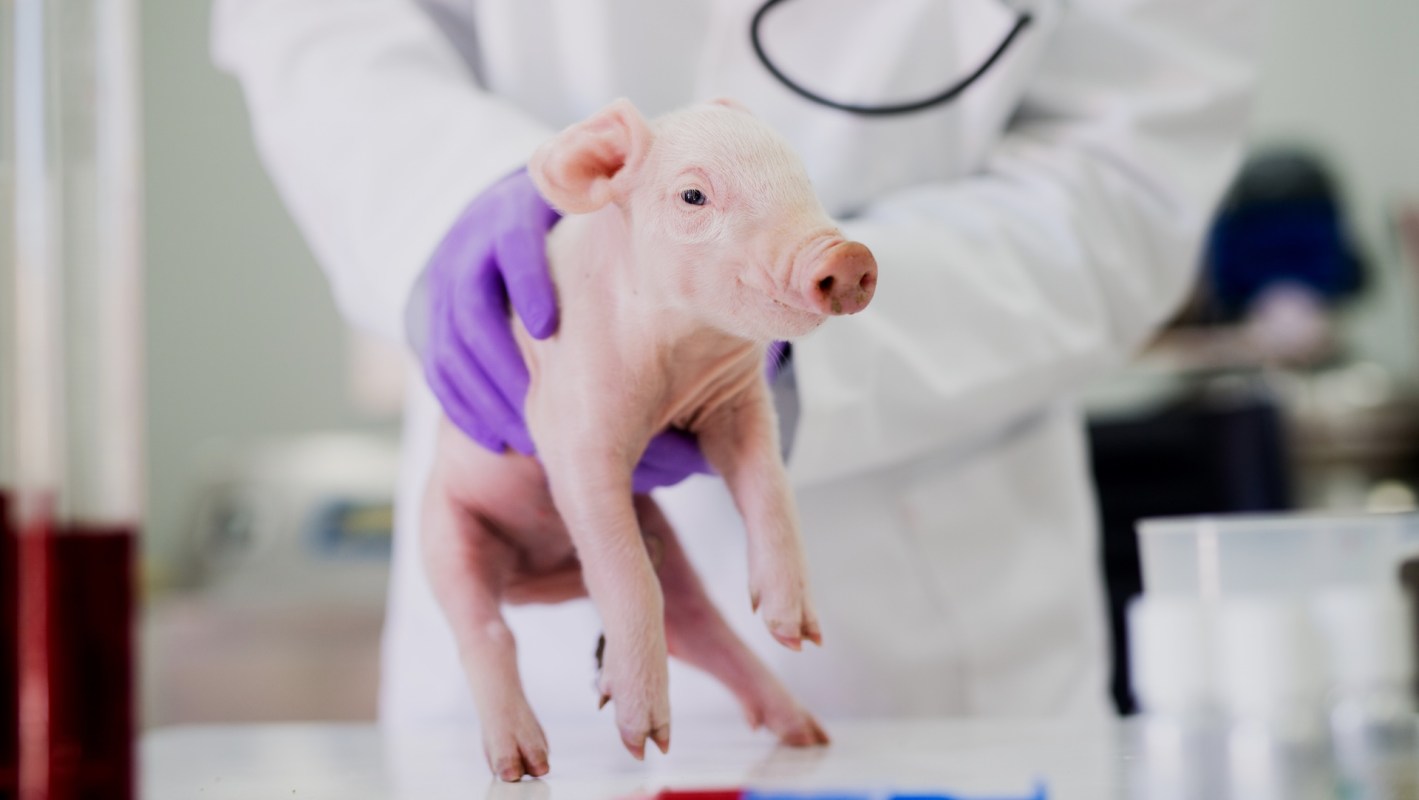
Scientists found that young pigs eating microplastics showed changes in how their pancreas worked and experienced rising insulin levels, according to a study published in the Scientific Reports journal.
What's happening?
As part of a study that may raise ethical concerns PETA has spotlighted in regard to experiments on pigs, researchers fed young pigs two different amounts of PET plastic particles for one month, then examined their pancreases using advanced chemical analysis.
The plastics disrupted normal organ function. Animals given lower amounts showed higher cholesterol in their blood. Those receiving higher amounts had calcium drops and lipase spikes, an enzyme that rises when the pancreas is damaged.
Both groups showed higher insulin in their blood. The pancreas tissue itself stored extra glucose and displayed shifts in fat-processing molecules.
"Microplastics and their effects on health are a growing concern. While their full impact is not yet known, they are not harmless. Pancreatic diseases are increasingly common, even in children, which was once rare," the researchers noted.
Why is pancreatic damage from microplastics concerning?
The results indicate plastic particles could play a role in serious metabolic problems for humans.
TCD Picks » Quince Spotlight
💡These best-sellers from Quince deliver affordable, sustainable luxury for all




The pancreas controls blood sugar by releasing insulin. When it malfunctions, diabetes and other disorders can develop. The combination of high insulin and extra glucose the scientists observed matches early warning signs of insulin resistance, a condition where cells fail to react normally to insulin.
Higher plastic doses produced lipase levels that mirror what doctors find in patients with pancreatitis, a painful and dangerous inflammation.
For humans, pancreatic dysfunction could mean lifelong medication needs, dietary restrictions, and increased risk of serious complications. Insulin resistance often progresses to full diabetes, affecting heart health, kidney function, and overall quality of life.
What can I do to reduce microplastic exposure?
You can cut your microplastic exposure through straightforward swaps at home.
|
Do you worry about having toxic forever chemicals in your home?
Click your choice to see results and speak your mind. |
 Majorly 😥
 Ditch plastic containers for glass or stainless steel ones. Skip bottled water when possible and use a reusable bottle instead. Avoid heating food in plastic containers, since heat releases more particles.
Choose clothing that's made from natural fibers, like cotton or wool, instead of synthetic fabrics, which shed plastic fibers when washed. When you do wash synthetics, use a filter bag designed to catch these fibers.
Support businesses that package products in paper, glass, or metal instead of plastic. Contact companies you buy from regularly and ask them to reduce plastic packaging.
These adjustments can limit your intake of plastic particles while you maintain the routines you need for daily life.

Get TCD's free newsletters for easy tips to save more, waste less, and make smarter choices — and earn up to $5,000 toward clean upgrades in TCD's exclusive Rewards Club.







