


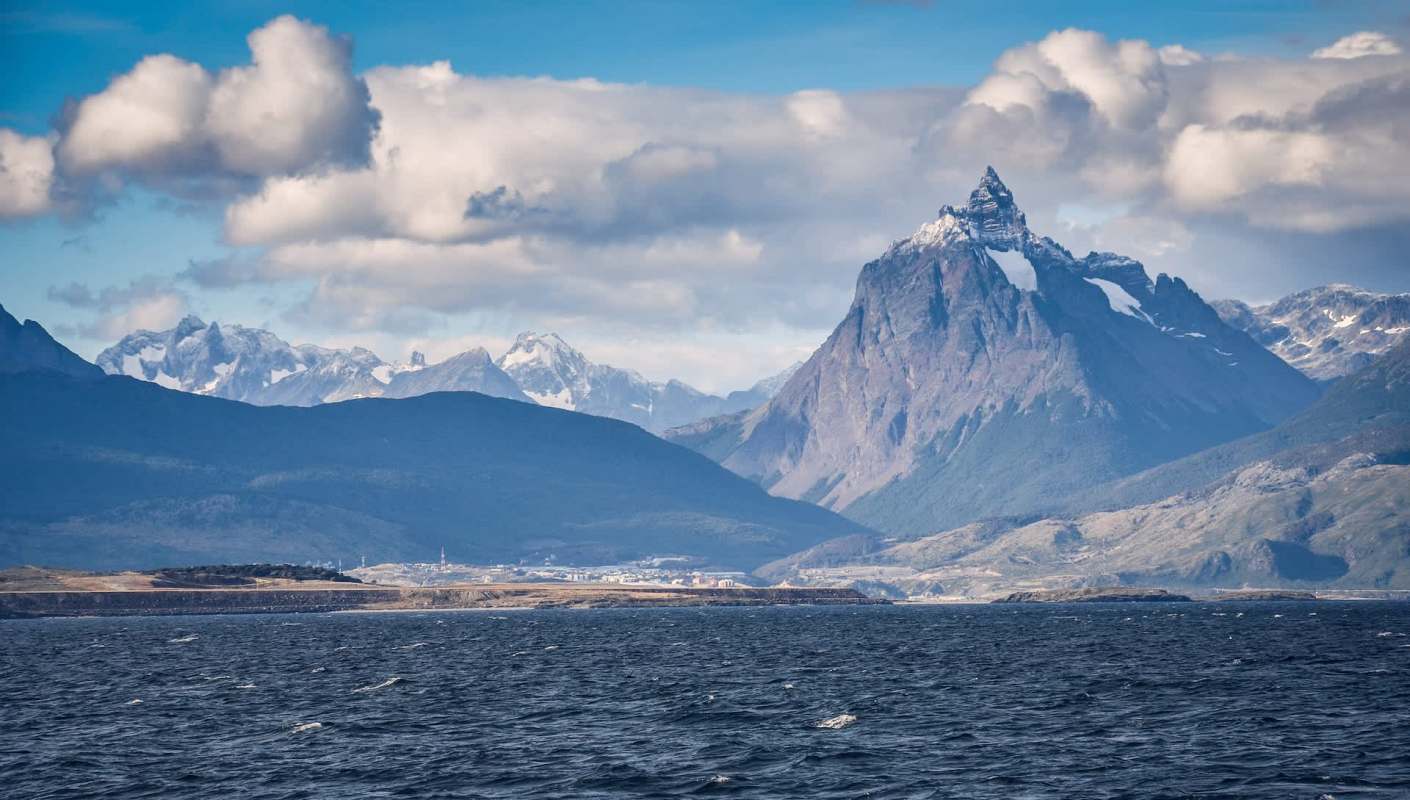
Even one of the most remote corners of the planet isn't safe from plastic pollution anymore.
A new study detected microplastics floating in the air above the Beagle Channel in South America, marking the first confirmed case of airborne plastic contamination in the subantarctic region.
What's happening?
According to Noticias Ambientales, researchers from multiple Argentine institutions spent 18 months collecting air samples on Isla Redonda, a tiny island inside Tierra del Fuego National Park.
The site was chosen because it has no local pollution sources, making it a perfect place to test whether plastic particles are drifting in from far away.
Their findings were sobering. The team recovered 77 particles, more than 80% of them thin plastic fibers made from polyamide, polyester, polyethylene, and semi-synthetic cotton. They also found industrial dyes like indigo, which is commonly used in textiles.
The fibers ranged from 100 to 3,000 micrometers long, similar to what scientists have seen in other isolated places around the world.
TCD Picks » Quince Spotlight
💡These best-sellers from Quince deliver affordable, sustainable luxury for all




Because the island is untouched by industry, the research team said the particles almost certainly traveled long distances on the wind, likely from major population centers in South America.
Why is this finding so concerning?
Microplastics don't just float around; they always land somewhere. And increasingly, that "somewhere" includes our bodies, food, and water sources.
Research published this year found that plant leaves can absorb airborne microplastics through tiny pores, pulling them into tissues that eventually make their way into the food chain. That means these particles could show up in crops, livestock feed, and the meals served in homes around the world.
This discovery also echoes earlier findings that airborne plastics are far more widespread than previously believed.
|
Do you worry about having toxic forever chemicals in your home?
Click your choice to see results and speak your mind. |
 Majorly 😥
 A recent analysis by the University of Manchester warned that scientists still have no clear picture of how much plastic is circulating in the atmosphere, with estimates ranging anywhere from 800 metric tons to 9 million metric tons.
What's being done about the spread?
Scientists say the first step is expanding monitoring efforts in remote areas to better understand how far plastic pollution can travel. But there are also promising developments aimed at reducing the amount of plastic entering the air in the first place.
In Finland, researchers recently figured out how to turn air pollution into usable plastic by capturing carbon dioxide from industrial sources and converting it into the building blocks of common materials. If scaled, the process could help clean the air while reducing dependence on oil-based plastics.
At home, small changes help reduce the demand for single-use plastics overall. Swapping disposable items for reusable alternatives, choosing products with minimal packaging, and recycling properly all help to chip away at the problem.

Get TCD's free newsletters for easy tips to save more, waste less, and make smarter choices — and earn up to $5,000 toward clean upgrades in TCD's exclusive Rewards Club.







