


Anyone to whom the task of lawn maintenance has fallen can attest to how much of a drain it is on finances and precious free time in the spring and summer.
Lawncare lead-generating service GreenPal polled customers on the latter issue and found that more than 60% reported spending between 2 and 3 hours and over 5 hours per week to keep their lawns alive. On the upper end, that's 11 full days each year.
Consequently, outsourcing the task to a landscaping company is not uncommon. One user on Reddit's r/lawncare took that route, but as they demonstrated, even calling in full-time professionals is no guarantee a lawn will behave.
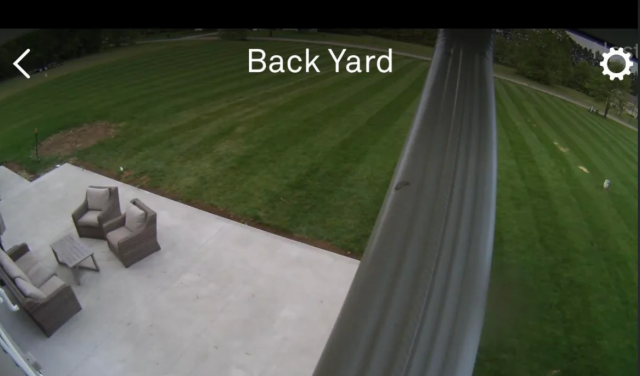

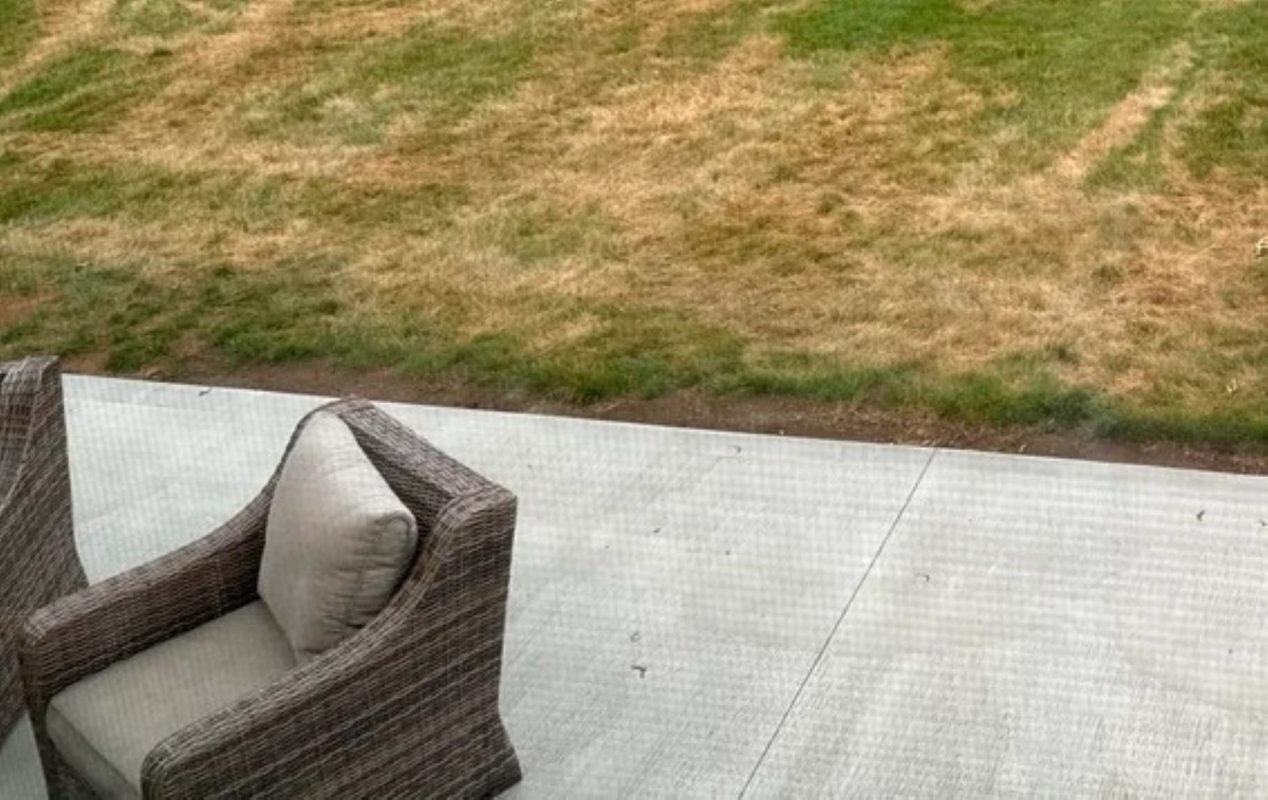
"Lawn nuked after fertilizer service application?" their title read. The user attached two photographs, one of an unremarkable lawn and the other of a half-barren landscape.
"Last Thursday my lawn care service fertilized my back yard. Since then it has gone from a trophy yard to absolute death and destruction. Anyone seen this before?" they asked.
This particular post and the submitter's bafflement were, unfortunately for them, a perfect illustration of the problems with monoculture lawns.
TCD Picks » Quince Spotlight
💡These best-sellers from Quince deliver affordable, sustainable luxury for all




Lawns are extremely common in all 50 states — a huge part of the issue when you consider the differences between, say, Alaska and Florida. Those states have vastly dissimilar climates, as do desert states like Arizona and Nevada, yet you can find identical lawns in all four.
Lawns blanket the landscape, but turfgrass is native to Europe, not the United States. As a result, anyone with a conventional lawn is likely working overtime to replicate the conditions of a climate that's an ocean away.
Natural lawns are an alternative gaining in prominence, partly because they involve native plants, which don't require the bottle-feeding and hand-holding needed to keep turf alive.
Rewilding is another increasingly popular approach, one that involves restoring the landscape to be more regionally appropriate. Both save significant time and money, bolster the local ecosystem, and support the pollinators that uphold our food supply, even when done in part.
According to one commenter, the original poster's problem stemmed from the diva-like fragility of lawns, an issue Colorado State University said was "a common disease of Kentucky bluegrass lawns."
"I'm blown away that no one has gotten this one ... These are the trademark signs and symptoms of ascochyta blight disease," they observed.

Get TCD's free newsletters for easy tips to save more, waste less, and make smarter choices — and earn up to $5,000 toward clean upgrades in TCD's exclusive Rewards Club.






