


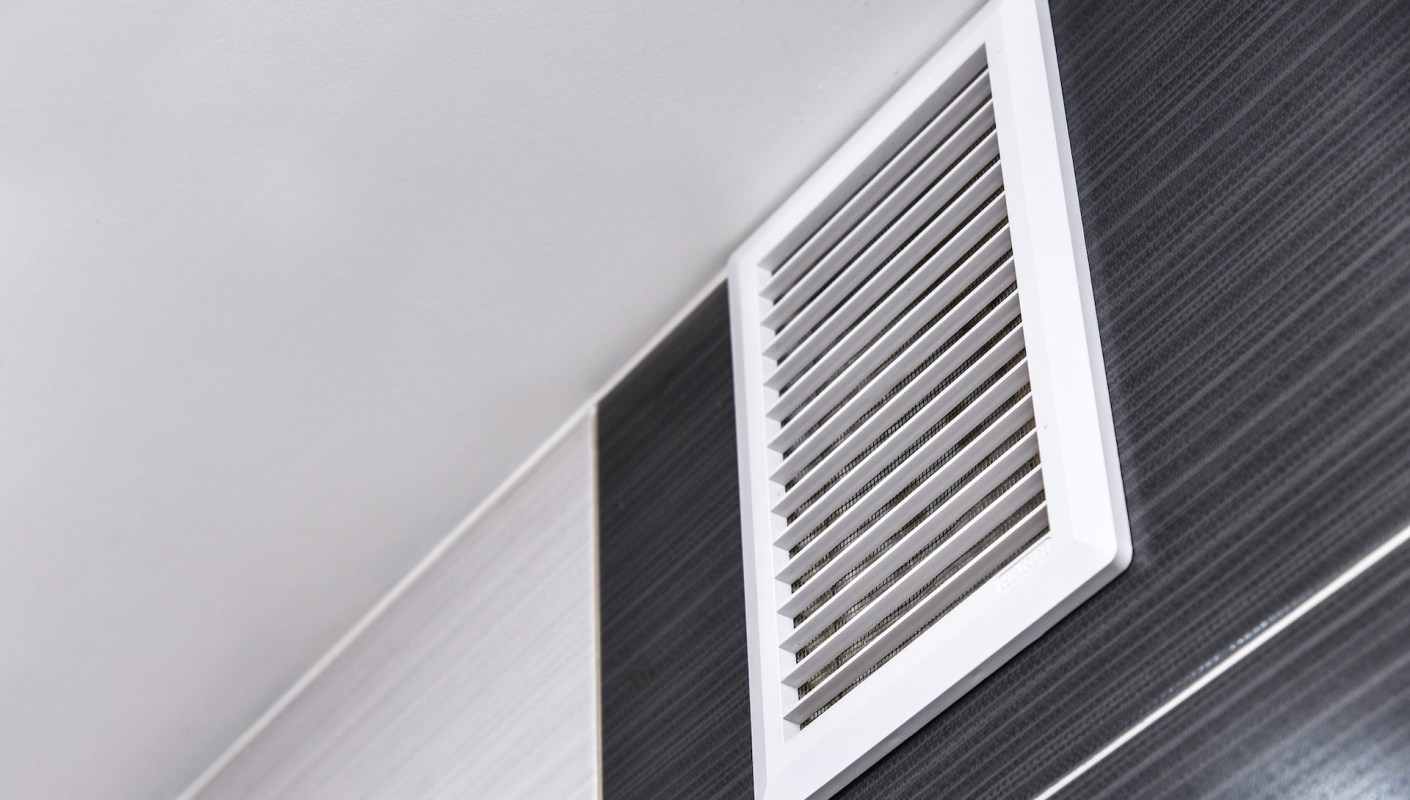
It's no secret that many of us spend the majority of our time inside, especially with the rise of remote work in the past few years and more volatile weather conditions making it less enjoyable to be outside in the summer and winter months.
But indoor environments can collect everyday particles from cooking, dust, pets, and generally just living our lives. And while these irritants aren't out of the ordinary, simple habits and well-chosen products can help keep your home's air feeling clean.
Here are five practical steps to ensure a fresh-feeling home.
1. Change your air filters regularly
This one quick task is often overlooked, but it's a crucial and easy home maintenance swap for better air quality.
Standalone and HVAC air filters help trap irritants like dust, pollen, pet dander, mold spores, and even tiny bacteria. When your air filters are not changed often, these pollutants can recirculate in your house, potentially worsening allergies, asthma, and other respiratory issues.
Once you have replacement filters, it really is just a matter of swapping the new ones for the old ones in any return air duct in your house. (You can find more DIY info here.) Plus, by making the switch, you'll help decrease your energy bills since new filters will enhance the efficiency of your HVAC system.
Check your system's recommendations for how frequently you should be swapping filters. Some say once every month or two, but if you're running an AC-only device and haven't upgraded to an all-season heat pump yet, you certainly don't need to be changing the filter during the winter months.
2. Start with products designed to keep your space smelling fresh
The air in your home naturally collects odors from cooking, pets, garbage, fabrics, and daily living. Beyond the aforementioned standalone filters like those with carbon, this is where air-care products play a helpful role. But people can often feel confused about how fragrances are made and whether "natural" or "synthetic" is better.
To get a better understanding, The Cool Down recently chatted with Arianna Castro, a scientist at Procter & Gamble, to get her take on how the bestselling Febreze air fresheners stack up (a product that does helpfully list out all its ingredients).
Castro made the case that when we see "natural" ingredients on some products and "synthetic" on others, that doesn't necessarily mean natural is better for the environment and our health. Natural fragrances come directly from plants or flowers, while synthetic fragrances are created to chemically replicate those smells to last longer and sometimes with fewer common allergens, which Castro explained can actually make them a safer, more consistent option when they're properly designed and tested.
Not to mention, if all cleaning and air care products were made exclusively from natural ingredients, there would be a huge need for large-scale harvesting. "For example, if we were to use natural lavender for all of our products … we would wipe out the world's supply of lavender … in under a year," Castro said.
So while reducing bad smells in the first place is always your best bet, a lot of people want to neutralize odors or freshen up a home or individual room's smells, and it's good to understand some of the landscape of what you'll find at your local stores. The next time you have guests coming over and need a fragrance boost before they arrive, consider referring to the Environmental Working Group's ratings site to check if the product is flagged for concerns.
To Castro's point, many Febreze products are noted as a "low concern" by EWG, such as the Hawaiian Aloha scent of odor-fighting air freshener among the best name-brand options out there. One of the reasons for this safety listing is because P&G scientists can create synthetic fragrances that replicate natural fragrance profiles while ensuring safety and consistent performance.
So when in doubt, picking products with an adequate level of transparency and science behind them can help you feel confident about what you're using in your home can solve scent problems without creating bigger problems.
3. Avoid smoke and enjoy candles thoughtfully
Whether it comes from a wood-burning fireplace or even just a candle, at certain levels, smoke releases harmful particulate matter (very small particles that can cause serious respiratory diseases).
This is why a little ventilation and routine care are helpful for maintaining a fresh indoor environment.
The Environmental Protection Agency recommends having your chimney annually cleaned by a certified chimney sweep to keep your fireplace burning effectively, and when you're ready to upgrade to an efficient, EPA-approved wood-burning appliance that produces less smoke, here's a recommended list of alternatives.
As for the candles, aim for those using natural waxes like beeswax, soy wax, and coconut wax. Use them wisely, keeping wicks trimmed, placing them away from drafts, and allowing for airflow during longer burns to help maintain a comfortable environment. Candle warmers are also a nice option if you enjoy fragrance without a flame.
|
Do you worry about the quality of the air inside your home?
Click your choice to see results and speak your mind. |
 Yes — often 😬
 4. Make sure to properly ventilate your kitchen when you're cooking
Every time you turn on a gas stove, you're being exposed to asthma-causing gases.
Short-term solution: Open a window and turn the hood vent on high while you're using the stove, to make sure many of the harmful pollutants are being removed from your kitchen, in addition to stationing an air filter nearby.
Longer term, consider switching to an induction cooktop or full range, which are more efficient and help improve your air quality by heating with electricity instead of using any toxic gases. Even cooking on induction or standard electric can hurt your indoor air quality if the food burns, but you'll be beginning from a much cleaner starting point without the open flames in your kitchen.
5. Air out your house every so often
This is an easy action: Opening all the windows in your home for a few minutes every couple of days (even during the winter…albeit maybe not on the coldest or hottest of days) will help release any buildup of unwanted air pollutants. The Germans even have a word for this ritual — lüften — and it's a great, easy way to refresh your space.
If you have people going in and out of your home on a regular basis, you may already be covered here, but especially if you work from home — as The Cool Down's editors do — you may find your air can get stale and benefit from a brief refresh.

💰Get TCD's free newsletters for easy tips to save more, waste less, and make smarter choices — and earn up to $5,000 toward clean upgrades in TCD's exclusive Rewards Club.






