


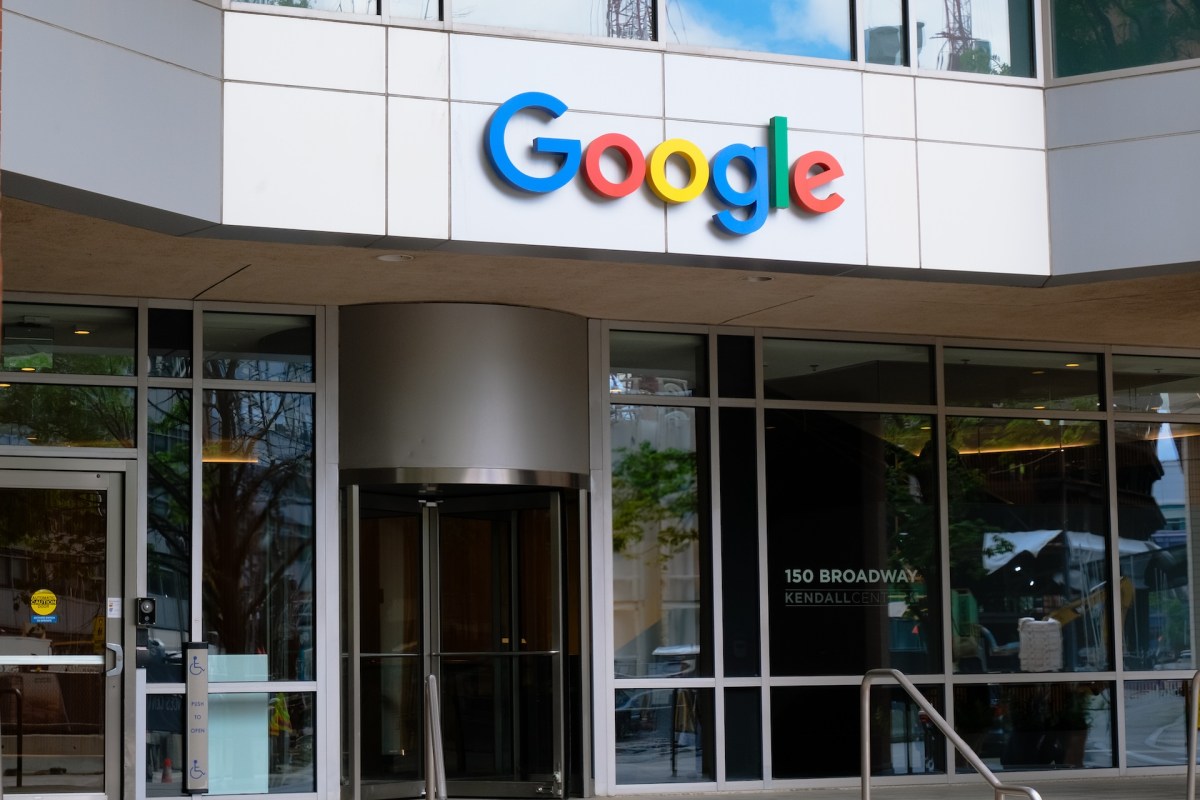
Vice President of Product at Google Workspace, Yulie Kwon Kim, recently talked to Fortune about artificial intelligence, the workplace, and generational divides.
As the piece opened, the outlet characterized Kim's overarching view that AI literacy would become "fundamental to all work," a technology that cannot simply be tolerated, but must also be "embraced."
According to Kim, Google's second annual Google Workspace Study — a poll of "more than 1,000 U.S.-based knowledge workers" — suggested that workers aged 22 to 39 have already seamlessly integrated AI tools into their day-to-day workflows.
"Unlike older generations, where AI might be more of a utility in their life … the younger generation is really feeling like it's a native part of how they work," she asserted.
Those talking points were echoed in a Dec. 4 Google press release. Kim was quoted as saying "personalized AI" had become a "baseline expectation for rising leaders who rely on AI at work."
It was also strikingly similar to what she said in a Dec. 4, 2024, article about Google's first edition of the survey, which also heavily emphasized the idea that younger workers basically couldn't conceive of a workplace without AI.
TCD Picks » Quince Spotlight
💡These best-sellers from Quince deliver affordable, sustainable luxury for all




In February, CNBC reported that, along with fellow "megacap" companies, Google (with its technical parent company, Alphabet) planned to accelerate spending in an AI race — notably, one with no defined finish line. By August, The Guardian reported that Google had upped the ante by $10 billion.
It's fair to say that throughout 2025, Silicon Valley's AI spending was not unlike that of the proverbial drunken sailor. But the costs were neither solely monetary nor entirely absorbed by monied tech titans, and any return on investment was far from guaranteed.
While data centers sprang up across America like mushrooms after heavy rains, residents in several states were walloped with huge electricity bills, largely due to data center demand. Communities near data centers have borne the brunt of these impacts.
On Nov. 30, The Verge covered early reports of an alarming uptick in miscarriages and rare cancers near an Amazon data center in Oregon.
Although Kim appeared all-in on AI's potential, Google CEO Sundar Pichai was slightly more tempered when he discussed escalating fears of an "AI bubble" with the BBC on Nov. 18.
Days earlier, Michael Burry — the prescient investor known for correctly predicting the once-unimaginable 2008 housing bubble — made headlines for drawing parallels between that crash and what he and other analysts believe is another imminent meltdown.
Google's CEO acknowledged the AI boom was marked by "irrationality," and conceded that if the technology didn't deliver on its many promises, the consequences would be dire.
"I think no company is going to be immune, including us," Pichai said.
|
Do you worry about robots taking away our jobs?
Click your choice to see results and speak your mind. |
 Absolutely 💯
💰Get TCD's free newsletters for easy tips to save more, waste less, and make smarter choices — and earn up to $5,000 toward clean upgrades in TCD's exclusive Rewards Club.






