


An invasive pest is threatening native honeybees in South Carolina, and officials are scrambling to contain the growing threat.
What's happening?
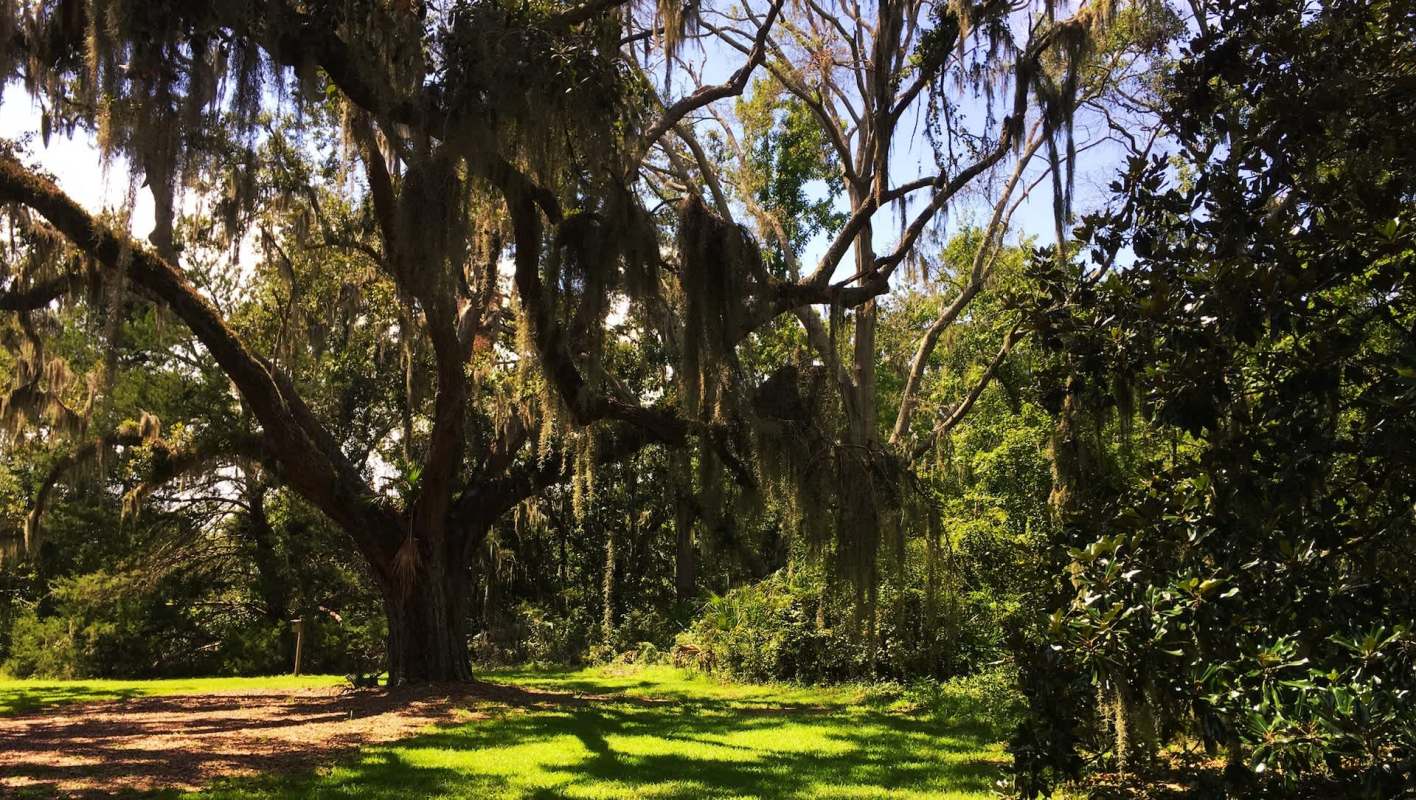
Local residents spotted a massive yellow-legged hornet nest in Beaufort Park, 60 feet up in a tree. Officials said the nest was about the size of a yoga ball and may have housed thousands of workers. Because yellow-legged hornets often build nests in high trees, exterminators used a lift to access the structure and seal it before injecting pesticides inside.
"We're basically trying to contain any hornets from escaping the nest and locking them inside," Brad Cavin, South Carolina's chief apiary inspector, told Island Packet. "It's crazy the volume of reports we are receiving just for hornets."
The yellow-legged hornet is originally from Southeast Asia and has spread across the southeastern U.S. The insects are known for targeting native bees and can wipe out entire hives in days if left unchecked.
So far this year, nearly 80 nests have been confirmed across South Carolina's Lowcountry. Experts believe the hornets likely arrived via shipping cargo ports near Savannah, Georgia, before moving north.
Yellow-legged hornets build egg-shaped nests that can eventually house up to 6,000 individuals. While they aren't more aggressive or sting harder than other wasps, their size and numbers are a concerning threat to native populations.
TCD Picks » Quince Spotlight
💡These best-sellers from Quince deliver affordable, sustainable luxury for all




Why is this concerning?
Yellow-legged hornets primarily attack honeybees, a critical species for pollinating crops and protecting food supplies. Their aggressive "hawking" behavior means they defend nests and any nearby bees.
As ecosystems become more stressed by shifting weather patterns, rising temperatures, and habitat loss, invasive species like these gain an advantage, spreading faster while native species struggle to survive.
The disappearance of pollinators such as honeybees doesn't just impact wildlife — it directly affects consumers through lower crop yields, rising food prices, and reduced biodiversity.
What's being done about it?
State officials have placed traps in affected areas and are urging residents to report sightings through Clemson University's Apiary Inspection Program.
|
Do you think humans are doing enough to protect endangered animals? Click your choice to see results and speak your mind. |
 Definitely 👍
 Individuals can support native pollinators by planting native species and avoiding pesticides that harm beneficial insects. Scientists have been developing ways to support bees through food supplements and other methods.
While eliminating invasive threats takes coordinated efforts and long-term investment, the cost of inaction would be much higher, leading to ecosystem collapse and weakened global food systems.

💰Get TCD's free newsletters for easy tips to save more, waste less, and make smarter choices — and earn up to $5,000 toward clean upgrades in TCD's exclusive Rewards Club.







