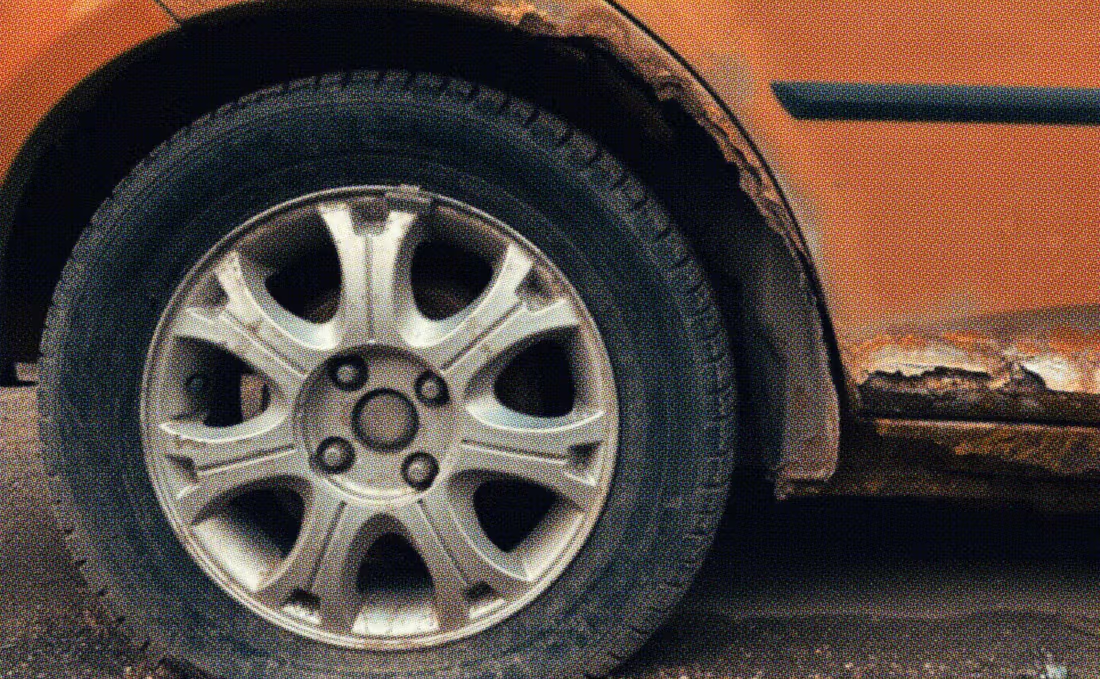
A Barnoldswick resident was fined after neighbors reported that piles of household trash had been stacked in his backyard for over two months. Among the debris were wood, old tires, and muddy carpet, according to the Lancashire Telegraph.
Local council inspectors said the waste "was causing environmental issues and providing a detrimental effect on the area," prompting a cleanup notice under U.K. environmental law.
The dispute began in late February, when inspectors first noted the debris. In March, the homeowner was instructed to remove the items, but an April follow-up revealed that the waste remained.
A judge later fined him £220 (approximately $291) and ordered additional costs, bringing the total to about £926 (approximately $1,227). Under Section 80 of the Environmental Protection Act 1990, councils can prosecute anyone storing waste that endangers public health or safety.
Even minor backyard dumping can have major consequences. Waste piles can attract rats, fuel fires, and release harmful substances into the soil and groundwater. Experts warn that such cases contribute to a broader waste crime issue across the U.K.
"Waste crime is toxic and causes serious harm to people, places, the environment, and the economy," an Environment Agency spokesperson said, per the Guardian. Improperly managed household waste can worsen pollution, accelerate climate impacts, and degrade the quality of life in local communities.
TCD Picks » EDF Spotlight
💡EDF's Vital Signs newsletter delivers stories about game-changing solutions close to home and around the world




Elsewhere, councils are taking similar stances. Luton Director of Place and Infrastructure Laura Church emphasized that enforcement actions "send the message that we will take action against people who show a disregard for the environment and their local area," per Luton Today. With recycling centers and bulky-item collection services available, officials say there's no excuse for improper storage.
While accountability is essential, experts note that technology and innovation are key to solving the waste crisis. Researchers at Northwestern University developed a process that uses air moisture to break down hard-to-recycle plastics. In Bali, a new waste-to-energy plant cut landfill use by 45%, showing that cleaner solutions are within reach.
This Barnoldswick case serves as a reminder that protecting our neighborhoods and planet requires both enforcement and innovation. Residents can help by using proper disposal services, reporting illegal dumping, and supporting policies that turn waste into resources.
|
Should taxpayers help pay to clean up the Great Pacific Garbage Patch?
Click your choice to see results and speak your mind. |
 We should pay for all of it 👍
💰Get TCD's free newsletters for easy tips to save more, waste less, and make smarter choices — and earn up to $5,000 toward clean upgrades in TCD's exclusive Rewards Club.