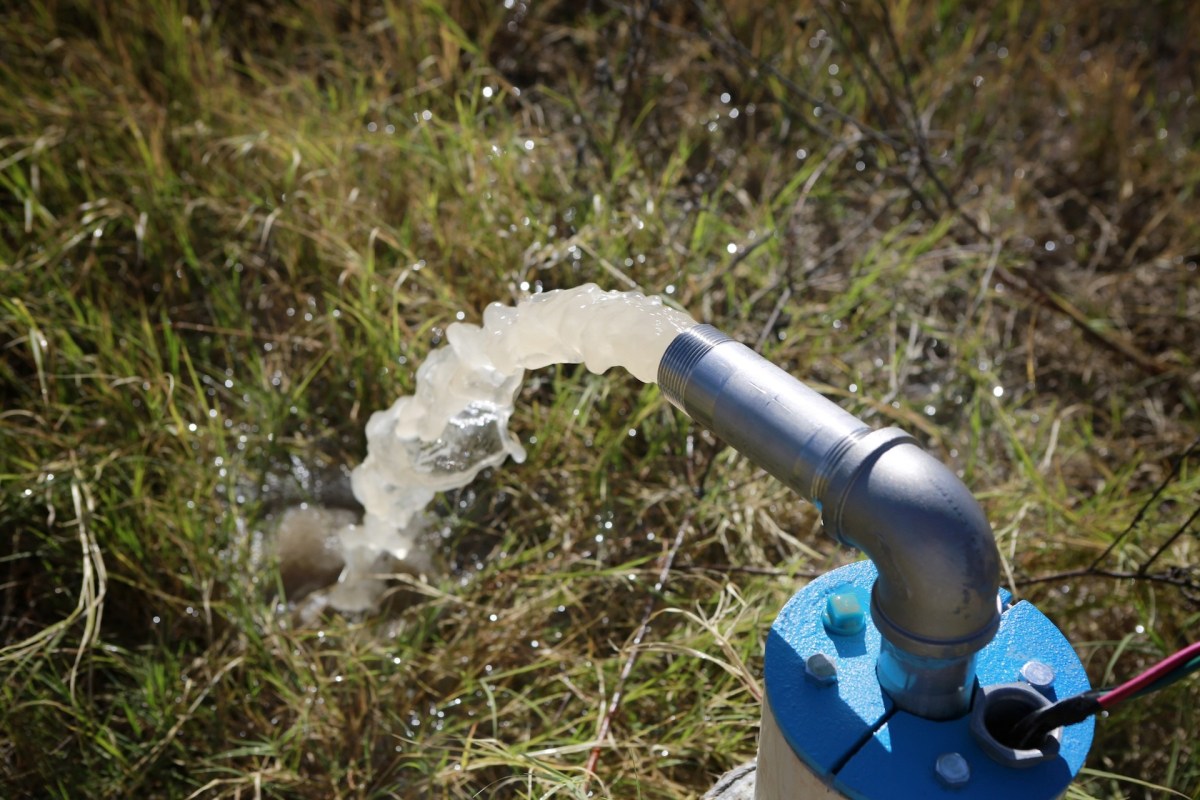
A homeowner in Torbay, Newfoundland, found his well had dangerous chemicals despite being located far from what officials believe is the source, CBC News reported.
What happened?
Kenneth Baird spent more than $4,000 from his own bank account on lab work and cleanup gear after authorities repeatedly declined to help him. Lab results showed PFAS amounts in his well at over double what health agencies say people should drink.
Baird's home falls outside where Transport Canada first looked for problems. He assumed the space separating his street from St. John's International Airport, along with hills in between, would stop pollution from arriving at his property.
"It floored me that it indeed is reaching me this far away from the airport," he told CBC.
Legal teams brought a court case for people in two underground water zones around Torbay, which might cover 700 homes. The filing blames airport drills using fire-suppressing foam for causing the issue, but no judge has signed off on the lawsuit, and nothing has gone to trial.
Baird called Transport Canada twice to ask them to examine his well, but he was turned away both times. He brought in a private lab instead. A professor teaching chemistry in town looked at wells beyond where officials had checked and found PFAS there, too.
TCD Picks » Quince Spotlight
💡These best-sellers from Quince deliver affordable, sustainable luxury for all




Why is PFAS contamination troubling?
PFAS — poly- and perfluoroalkyl substances — are called "forever chemicals" because they stick around permanently in nature and inside human tissue. Studies connect them to multiple kinds of cancer and other major illnesses.
What's going on in Torbay shows these poisons can travel through underground water much farther than scientists thought possible. Baird figured natural land formations would stop the contamination, but it flowed through rock and soil below ground.
People in affected parts of town have bought bottled water and cleanup gear with money from their own wallets. The lawyer in the court case says this is happening because Transport Canada responds to problems instead of preventing them.
Hundreds of families get their drinking water from wells they own themselves. When inspections don't reach enough places and free bottled water programs don't grow, these people can't know if what comes from their taps is dangerous.
TCD Picks » Quince Spotlight
💡These best-sellers from Quince deliver affordable, sustainable luxury for all
|
How often do you worry about the quality of your drinking water? Click your choice to see results and speak your mind. |
 Never 👎
 What's being done about PFAS?
Transport Canada made its inspection area bigger to include spots such as Mahons Lane and Quigley's Lane, going past where it started. Officials say they're teaming up with town leaders to test more houses.
If PFAS scare you, call your water utility or public health office to ask for lab work. Buy a filter that has approval ratings for pulling out PFAS to keep your family safe while big fixes are built.
Demand openness from any agency running polluted sites. People dealing with PFAS can speak up for wider inspection efforts and free bottled water where they live.

💰Get TCD's free newsletters for easy tips to save more, waste less, and make smarter choices — and earn up to $5,000 toward clean upgrades in TCD's exclusive Rewards Club.