


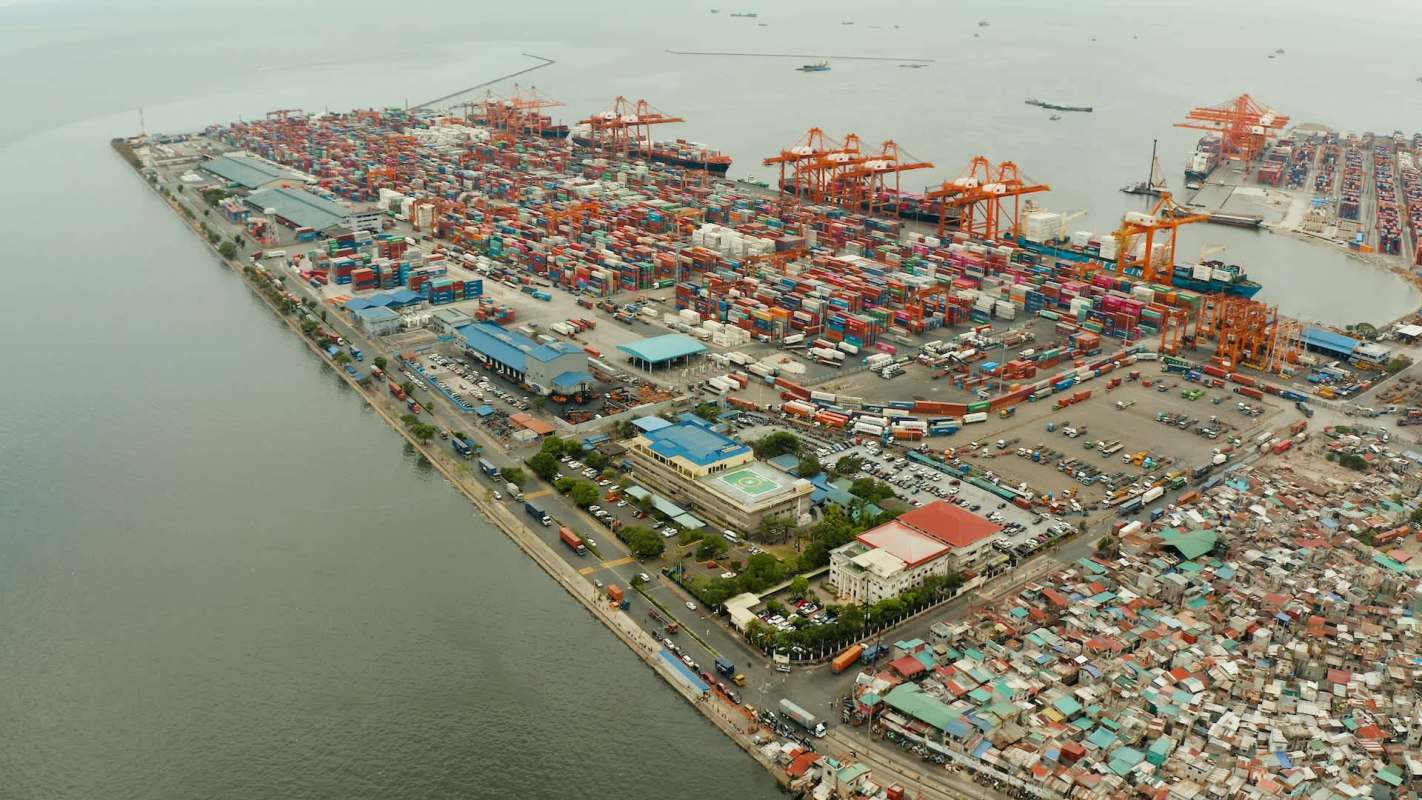
The Philippine Nuclear Research Institute ordered the massive steel company, SteelAsia, to take responsibility for 23 containers of radioactive material.
What's happening?
According to the Manila Bulletin, PNRI ordered SteelAsia to take custody of the 23 containers, which were rejected by Indonesia. The containers were contaminated with zinc dust containing radioactive cesium 137. SteelAsia said the PNRI told them to bury the containers on one of the company's industrial lots in the town of Calaca in the Batangas industrial zone.
The company stated that burying the containers is "potentially endangering the community and other corporate locators in that industrial zone," per MB.
PNRI said the containers' original source was SteelAsia, but the steel company said it has no connection to the containers and that "the company manufactures and exports reinforced steel bars, not zinc dust, which is merely a by-product of its production process."
Why is this situation troubling?
SteelAsia feels that it "is being unfairly singled out by PNRI despite the absence of any scientific or factual basis," according to MB. The incident suggests that certain governing entities are not managing radioactive waste properly.
Nuclear power could enhance energy security and mitigate the environmental impact of the energy sector. Nuclear energy offers low-carbon electricity and complements renewable energy sources, making power more accessible, stable, and affordable.
TCD Picks » Quince Spotlight
💡These best-sellers from Quince deliver affordable, sustainable luxury for all




However, radioactive waste is a by-product of nuclear energy creation. If handled poorly, it endangers the health of the general public and the environment. The radiation it emits can damage the DNA of living organisms.
Specifically, exposure to cesium 137 can cause radiation burns, acute radiation sickness, and possibly death, per the Centers for Disease Control and Prevention. Burying these 23 containers could expose people to these risks. PRNI ordering SteelAsia to bury these containers is a concerning sign of how governing entities are approaching radioactive waste management.
How can we safely manage radioactive waste?
There are proper and safe ways to store or neutralize radioactive waste for disposal. According to the World Nuclear Association, this usually means storing it underwater for several years as it decays, before moving it to dry storage.
Burying contaminated containers in the Batangas industrial zone is not a safe method for managing radioactive waste. SteelAsia bringing attention to this issue can spur officials to create strict regulations concerning radioactive waste management. It also holds the governing entities accountable, rather than allowing the burden to be passed to private companies.
Reporting incidents of poor radioactive waste handling and using your voice to advocate for precautionary policies can prevent more situations like this, and create a cooler, cleaner future powered by safe nuclear energy.
|
Would you be comfortable having nuclear waste buried in your town? Click your choice to see results and speak your mind. |
 Absolutely 👍
💰Get TCD's free newsletters for easy tips to save more, waste less, and make smarter choices — and earn up to $5,000 toward clean upgrades in TCD's exclusive Rewards Club.






