


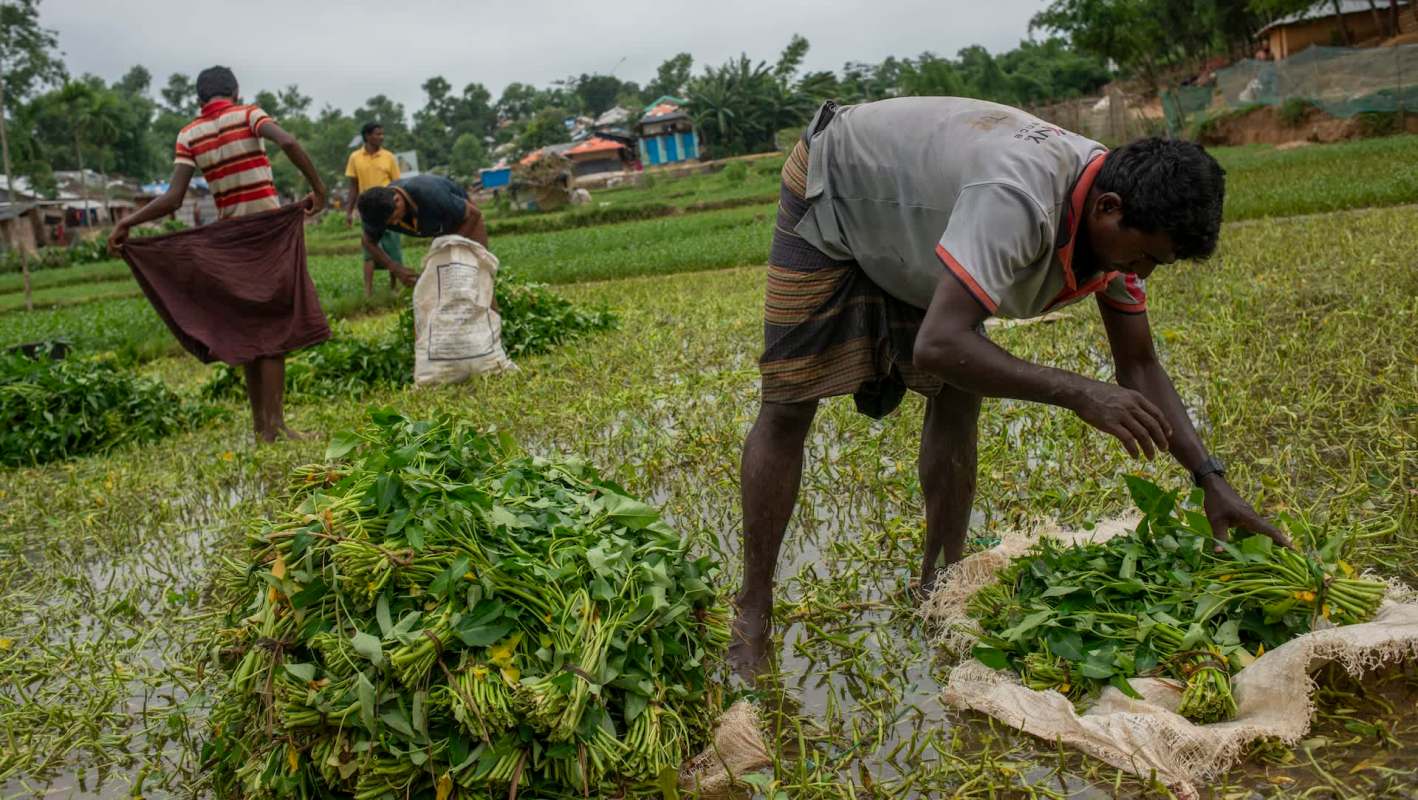
In Bangladesh, unseasonal rainfall damaged thousands of hectares of vegetable fields.
Nationwide, farmers are suffering from significant crop losses. Meanwhile, grocery prices have dramatically increased across the country.
What's happening?
As The Daily Star reported, many Bangladeshi staple foods, including beans, spinach, cauliflower, and eggplant, were destroyed by extreme weather.
The Department of Agriculture Extension assessed that over 2,500 hectares of crops across six important farming districts suffered devastating losses.
But it's not only farmers who are struggling because of recent weather patterns. The crops that did survive are now valued at extraordinarily high prices, making groceries unaffordable for people.
"Almost all types of vegetables are selling at much higher rates," commented one market trader who has sold vegetables for 18 years, per the Star.
TCD Picks » Quince Spotlight
💡These best-sellers from Quince deliver affordable, sustainable luxury for all




Why are damaged crops significant?
The weather-related crop devastation in Bangladesh isn't an isolated incident but rather part of a recurring pattern and growing trend. The monsoon season in the nation is shifting, producing heavier, more erratic rainfall later in the year.
Worldwide, our rapidly changing climate is disrupting long-standing weather patterns and threatening the livelihoods and food security of vast populations. When our world's farmers can't grow the foods our bodies need for good nutrition, our health suffers, and the risk of disease increases.
What's being done to support sustainable agriculture?
Farmers must adapt to changing monsoon seasons and be as prepared as possible for unpredictable weather patterns.
Meanwhile, everyone else must brace for higher grocery prices and fewer affordable vegetables in their daily meals. Regular diet staples may need to be replaced with alternatives because of cost and availability.
|
What is the biggest reason you don't grow food at home? Click your choice to see results and speak your mind. |
 Not enough time ⏳
 Fortunately, there are some inspiring efforts underway to promote sustainable agriculture. For example, an organization called Transfarmation trains industrial livestock farmers to pivot their careers to grow healthy, sustainable vegetables instead.
Worldwide, there's been a movement to bring clean energy to farms with solar pumps for irrigation. Organic farming cooperatives are growing and educating the public about the benefits of growing food without toxic chemicals.
By reducing the environmental impact of agriculture, we support a cleaner, greener world that is less prone to extreme weather and tragic storms.
As an individual, you can support sustainable agriculture by shopping at local farmers markets and learning to grow healthy staple foods at home.
With increased mindfulness about this crucial climate issue and some advanced planning, you can also shop smarter at the grocery store and save money with apps and services that offer food at reduced prices.

💰Get TCD's free newsletters for easy tips to save more, waste less, and make smarter choices — and earn up to $5,000 toward clean upgrades in TCD's exclusive Rewards Club.







