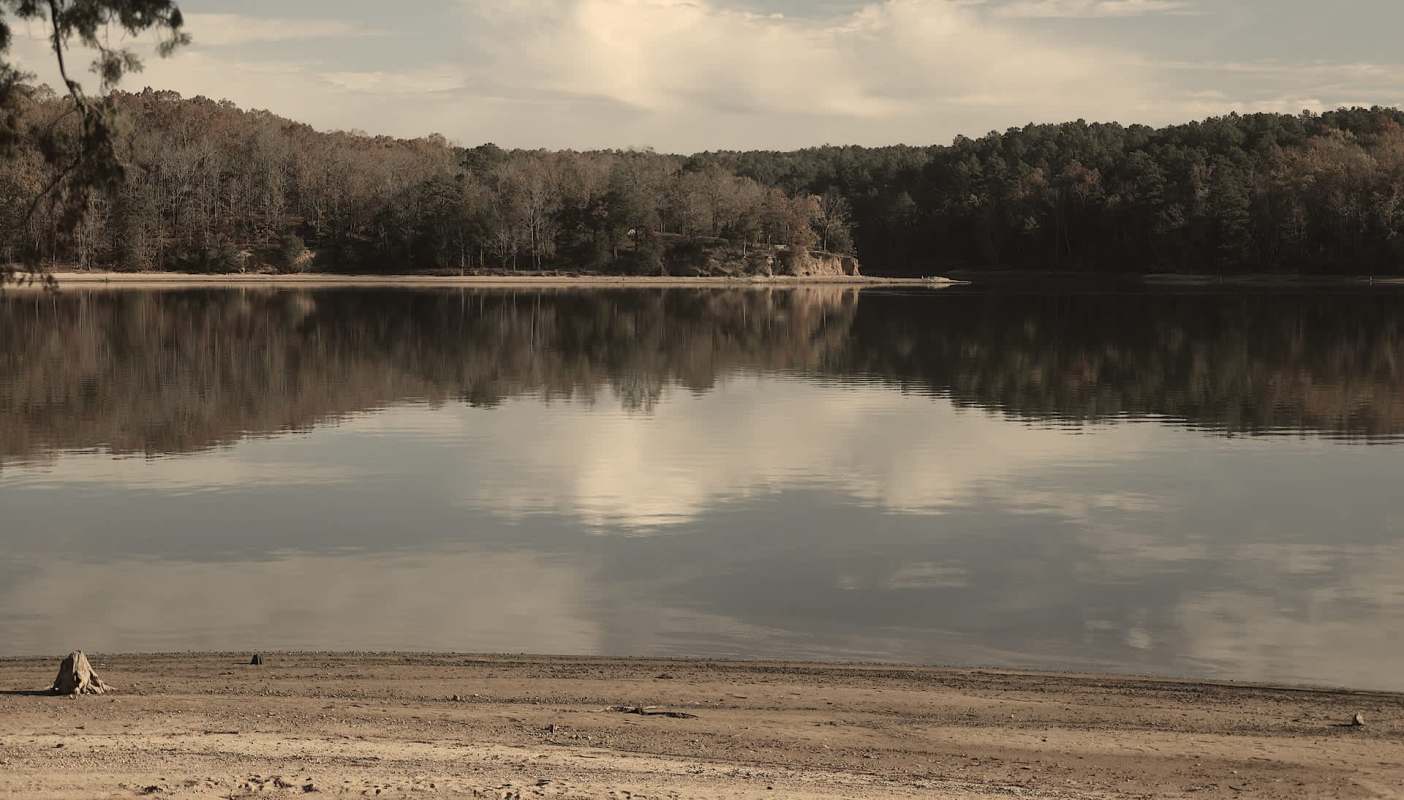
An invasive aquatic plant has been spotted in a South Carolina lake, indicating the potential return of an outbreak that plagued the state more than three decades ago.
State officials have urged the public to report any new cases to help contain the spread of the invasive plant species and to protect local aquatic ecosystems.
What's happening?
In early October, the South Carolina Department of Environmental Sciences discovered 11 acres of giant salvinia in the waters of Lake Wateree, WLTX reported.
This invasive plant species, native to Brazil, is an aggressive floating plant that reproduces quickly and densely. It grows like a thick carpet on the water surface, effectively blocking out sunlight and reducing oxygen levels for native vegetation and aquatic wildlife.
"These mats can interfere with boating, fishing, and recreation, and they also create navigation issues and water quality problems," the South Carolina Department of Environmental Sciences explained, per WLTX.
According to the Animal and Plant Health Inspection Service, giant salvinia can spread by transporting the invasive plant species into new bodies of water, such as through boats or other recreational vessels. This invasive weed can also spread when younger ferns move through bodies of water by floating downstream, further spreading this invasive plant species.
TCD Picks » Good Store Spotlight
Get 10% off your next purchase with code TCD10




The recent discovery of giant salvinia in South Carolina waters comes more than 30 years after its first appearance in the country in 1995, according to APHIS. That same year, South Carolina successfully contained an infestation of giant salvinia in a small private pond near Walterboro, per the Department of the Interior.
Why are invasive species concerning?
Invasive species threaten the balance and well-being of local ecosystems. When invasive species infiltrate new territories, they tend to have few natural predators in the area to help manage population growth, which allows them to outcompete and overtake native species.
Armadillos, for example, have migrated north into Indiana, which can disturb native plants and disrupt habitats for local wildlife.
Protecting native species and prioritizing native plants not only discourages invasive species from taking root in non-native ecosystems, but it also supports ecosystem health, sustaining local wildlife and pollinators.
TCD Picks » Quince Spotlight
💡These best-sellers from Quince deliver affordable, sustainable luxury for all




|
Do you think sewage pollution is a major problem in America? Click your choice to see results and speak your mind. |
 Yes 👍
Yes 👍 What can I do to help?
The South Carolina Department of Environmental Sciences' Aquatic Nuisance Plant Program has been working with Duke Energy, which manages Lake Wateree, to prevent another giant salvinia infestation.
If you spot this invasive plant species, report it to your local or state environmental authorities to eradicate the weed before it becomes an even bigger headache to remove.
You can also help manage the spread of giant salvinia or other invasive aquatic plants by quarantining boats after use, especially after using them in bodies of water with known contamination.

💰Get TCD's free newsletters for easy tips to save more, waste less, and make smarter choices — and earn up to $5,000 toward clean upgrades in TCD's exclusive Rewards Club.