


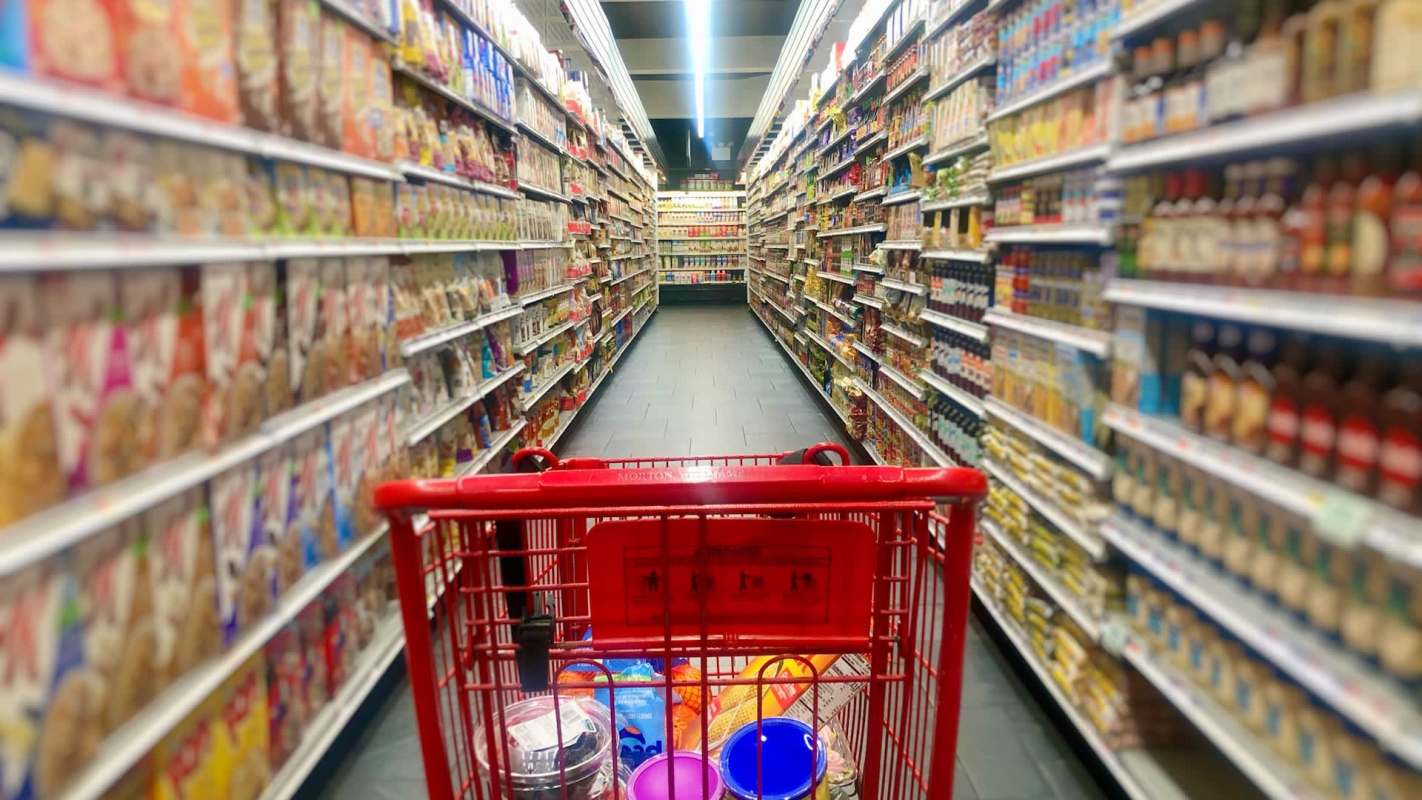
Ultra-processed foods now make up more than half of the calories the average American adult eats, according to CNN. A three-part series in The Lancet, backed by UNICEF and the World Health Organization, says these foods are tied to obesity, chronic illness, and early death — yet the companies producing them still generate massive profits.
Researchers found more than 50% of the $2.9 trillion paid to food-industry shareholders between 1962 and 2021 came from manufacturers of ultra-processed foods. The report notes that companies rely on this business model and will fight hard to keep it in place.
What's happening?
Forty-three nutrition experts examined how ultra-processed foods are made and why they're so profitable despite them causing so many health issues. Carlos Augusto Monteiro, who developed the NOVA food classification system, said consumption of UPFs is rising and is being fueled by global companies.
"When you subject traditional, modified whole foods to these formulations, the food industry can manipulate sugar, salt, and fat with the use of flavors, textures, and additives until they become irresistible," Monteiro told CNN.
Barry Popkin, another public health expert, said companies can "double or triple their profits" by breaking down whole foods into a base "sawdust" and rebuilding them with additives that are designed to keep people eating the product. The series detailed how food companies use lobbying, influencers, and industry-funded studies to block regulation and create doubt about the health risks.
Why is eating whole foods important?
CNN reported that 92 out of the 104 studies in The Lancet review found links between UPFs and diet-related chronic diseases like obesity, heart disease, and type 2 diabetes. Plus, randomized clinical trials showed that people eating UPFs consumed 500 to 1,000 more calories a day even when nutrient levels were matched. The CDC also found that American children get about 62% of their daily calories from ultra-processed foods.
TCD Picks » Quince Spotlight
💡These best-sellers from Quince deliver affordable, sustainable luxury for all




Other investigations show similar tactics in related industries. An undercover investigator found beef companies use scientific-like language to downplay environmental and health concerns so the meat sector can protect its profits. And aside from the direct health risks from the low-nutritional ultra-processed foods alone, a study from Cornell University found microplastics in common processed and packaged foods were linked to pathogens, viruses, and cell damage.
What's being done about public health?
According to CNN, countries including Mexico, Norway, the UK, South Korea, and Ireland have placed restrictions on marketing ultra-processed foods to children. Some have added taxes on sugary beverages or banned certain additives and trans fats. UNICEF and WHO both issued statements supporting a global network to regulate UPFs and protect public health.
Misleading labels are part of the issue. Educating yourself on greenwashing can help explain how companies use selective claims, design, and buzzwords to make unhealthy or heavily processed products look safer than they are. You can support eco-friendly initiatives from brands that avoid the heavy processing and aggressive marketing tactics described in the Lancet series.
|
Should companies be required to help recycle their own products?
Click your choice to see results and speak your mind. |
 Definitely 👍
💰Get TCD's free newsletters for easy tips to save more, waste less, and make smarter choices — and earn up to $5,000 toward clean upgrades in TCD's exclusive Rewards Club.







