


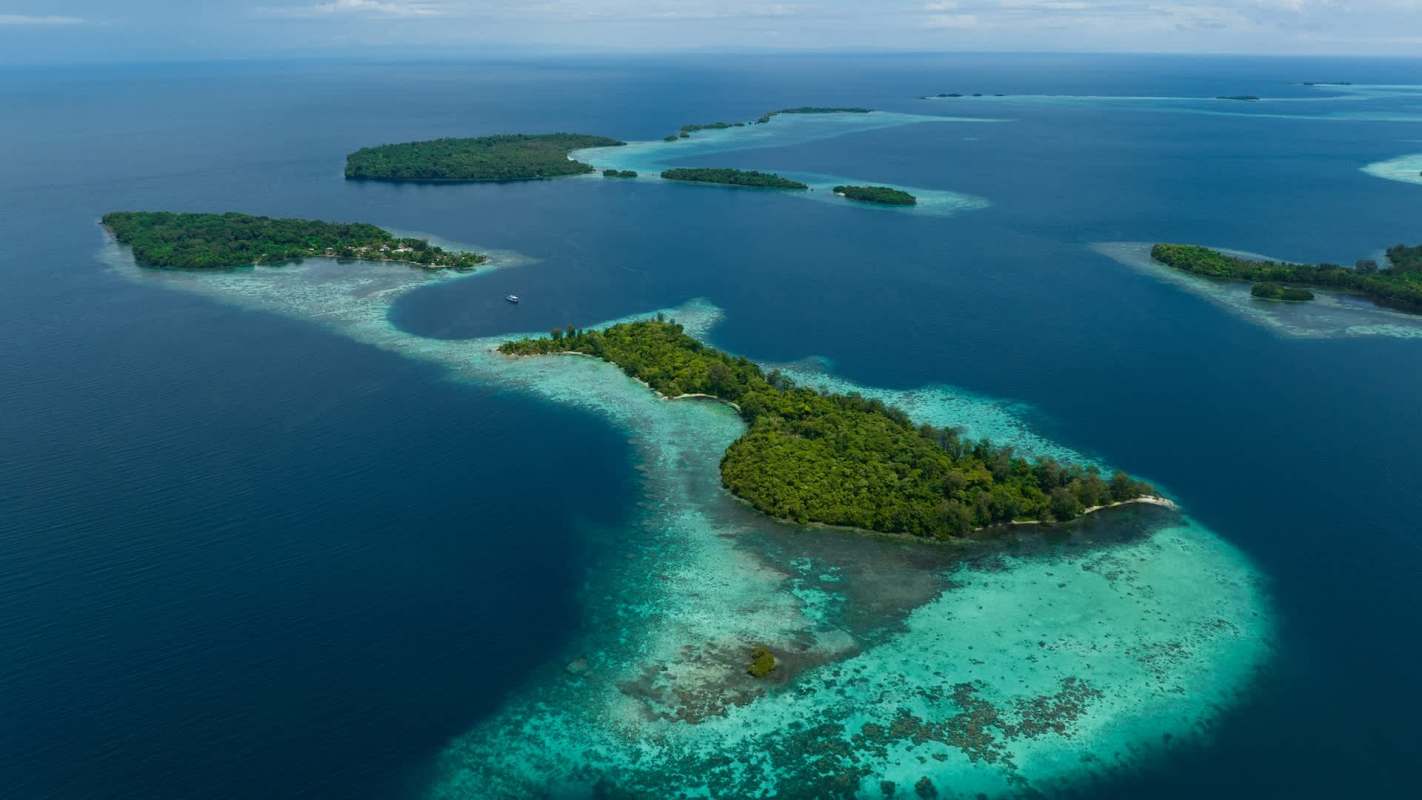
Communities across the Pacific are facing a stark new reality as higher tides, saltwater intrusion, and shifting weather patterns reshape daily life — and new reporting by The European Sting from the remote Solomon Islands atoll of Sikaiana paints a vivid picture of what's at stake.
What's happening?
New on-the-ground accounts from Sikaiana, a tiny atoll measuring less than two square kilometers and home to about 300 people, show how rising seas are disrupting the island's freshwater supply, food production, and long-held traditions. Located over 200 kilometers from the nearest main island, Sikaiana has no protective high ground and relies almost entirely on rainwater and shallow wells, which are both now threatened by saltwater seepage.
Local leaders say life is becoming increasingly difficult. "Now the tides are higher, saltwater levels have risen, and it's harder to grow food the way we used to," school principal Tuiao Kapule said. Families report gardens failing during long dry spells, full wells becoming undrinkable, and students missing school when there isn't enough to eat.
Residents such as community elder Mary Maike share similar concerns: unpredictable rainfall, contaminated water, and crops that no longer grow as they once did. "We'd rather stay near the sea because we rely on fishing and collecting shells," she said. "But moving inland would make life very hard for us."
Why is this important?
Sikaiana's struggles mirror those of low-lying communities worldwide. The burning of fossil fuels releases planet-overheating pollution that raises global temperatures, and warmer oceans expand and melt ice sheets — driving sea levels higher. That puts island nations such as the Solomon Islands on the front lines of flooding, coastal erosion, and saltwater contamination.
Extreme weather events have always existed, but research shows that human-driven warming supercharges these events, making storms more intense, floods more destructive, and droughts more severe. That means areas like Sikaiana face growing risks even as resources remain limited.
TCD Picks » Quince Spotlight
💡These best-sellers from Quince deliver affordable, sustainable luxury for all




Without action, more Pacific communities may face the same fate: failing crops, disappearing freshwater, and the possibility of permanent relocation.
"Sikaiana is my motherland," Tuiao said. "But if we ever have to leave, I will go. Life on this island is no longer what it used to be."
What's being done about it?
The Solomon Islands government has already launched Planned Relocation Guidelines — developed with support from the International Organization for Migration — to ensure that if communities must move, the process protects families' dignity and long-term well-being. Other organizations across the Pacific are restoring mangroves, strengthening water systems, and building community-led resilience projects to help stabilize coastlines and secure freshwater supplies.
Sikaiana's future remains uncertain, but its residents' resilience reflects a broader truth: With the right investments, planning, and global support, communities on the front lines can still protect their homes and cultures — even as the tides continue to rise.
|
Should taxpayers help pay to clean up the Great Pacific Garbage Patch?
Click your choice to see results and speak your mind. |
 We should pay for all of it 👍
💰Get TCD's free newsletters for easy tips to save more, waste less, and make smarter choices — and earn up to $5,000 toward clean upgrades in TCD's exclusive Rewards Club.







