


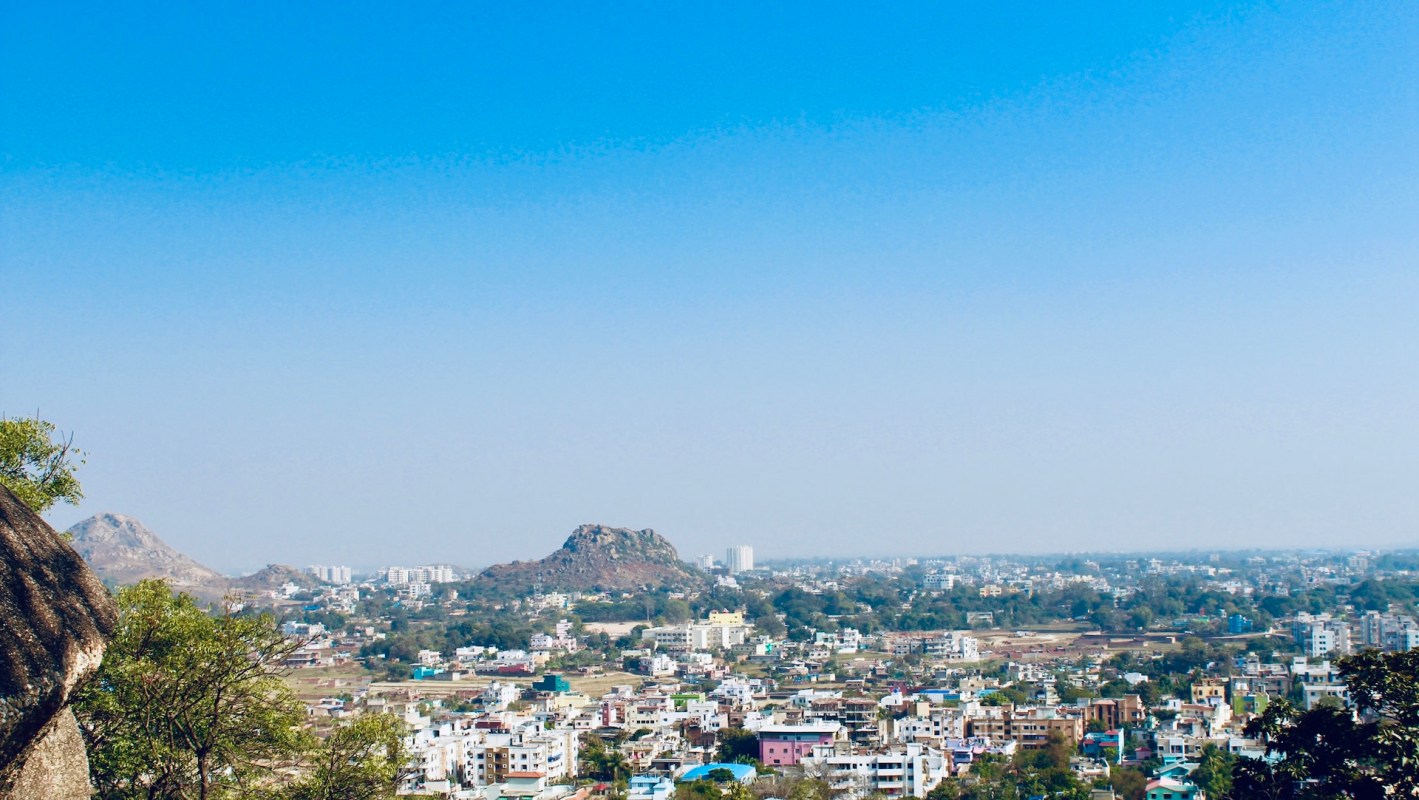
Indian journalist and social commentator Kavya Karnatac has revealed the devastating health consequences facing communities in one state due to years of nuclear waste dumping.
What's happening?
Karnatac told the Kashmir Media Service that India's race to become a nuclear powerhouse is devastating villages throughout the state of Jharkhand. Nuclear waste dumping has created burning land, poisoned water, and slow death.
The state produces most of the country's uranium and coal, but locals are paying the price, she said. According to Karnatac, one out of every five pregnant women endures a miscarriage due to the pollution. One in three men become disabled, and people live with rashes all over their bodies and "melted" faces.
"Half of the children face cognitive disability," she told the news site.
Why are nuclear energy impacts important?
Nuclear has been one proposed solution in combating the overheating of our planet. It can provide power without the climate-warming pollution associated with other energy sources like coal and gas.
According to the Nuclear Energy Institute, nuclear helped keep our air cleaner in the U.S. in 2023. The prevented pollution would've been the equivalent of what 114.8 million trees planted would absorb in their lifetimes.
TCD Picks » Quince Spotlight
💡These best-sellers from Quince deliver affordable, sustainable luxury for all




"Compared to all the energy alternatives we currently have on hand, nuclear is indeed one of the cleanest sources," environmental news site Earth.org concluded.
However, there are drawbacks to nuclear energy, as the Jharkhand case illustrates.
A photo essay from Mongabay told a tale of the suffering within Jharkhand's villages. One teenager had to give up her studies due to periodic headaches that a malignant tumor on her face triggers. Another has a deformity that has made his head much smaller in proportion compared to the rest of his body.
"Kavya's testimony exposes the stark inequality and environmental devastation in India's so-called economic growth story, showing how its poorest regions continue to pay the heaviest price for the country's pursuit of nuclear and industrial power," Kashmir Media Service asserted.
|
How would you feel about a nuclear power plant being built near your home? Click your choice to see results and speak your mind. |
 I'd be excited 😀
 Jharkhand's residents, however, are not the only people who have battled nuclear waste polluting their communities. A 2019 Greenpeace report asserted that nuclear waste is piling up across the world. It stated that 250,000 tonnes (about 275,580 tons) of highly radioactive spent fuel has been distributed across 14 countries since the 1950s, as relayed by Phys.org.
What's being done to make nuclear energy safer?
Amid such concerns, scientists are working on solutions that can help make nuclear energy safer.
Researchers from the University of Houston published a paper that suggested certain crystals can capture harmful nuclear waste. And last year, plans were approved for a facility in Idaho that utilizes old nuclear waste to power a new facility.
Other research focuses on ways to make this energy source more feasible and reliable.
A University of Michigan team has found a way for nuclear microreactors to adjust their power output in response to fluctuating demand. This could help bring nuclear power to smaller, more remote communities where it's often cost-prohibitive for people to make these changes manually.

💰Get TCD's free newsletters for easy tips to save more, waste less, and make smarter choices — and earn up to $5,000 toward clean upgrades in TCD's exclusive Rewards Club.






