


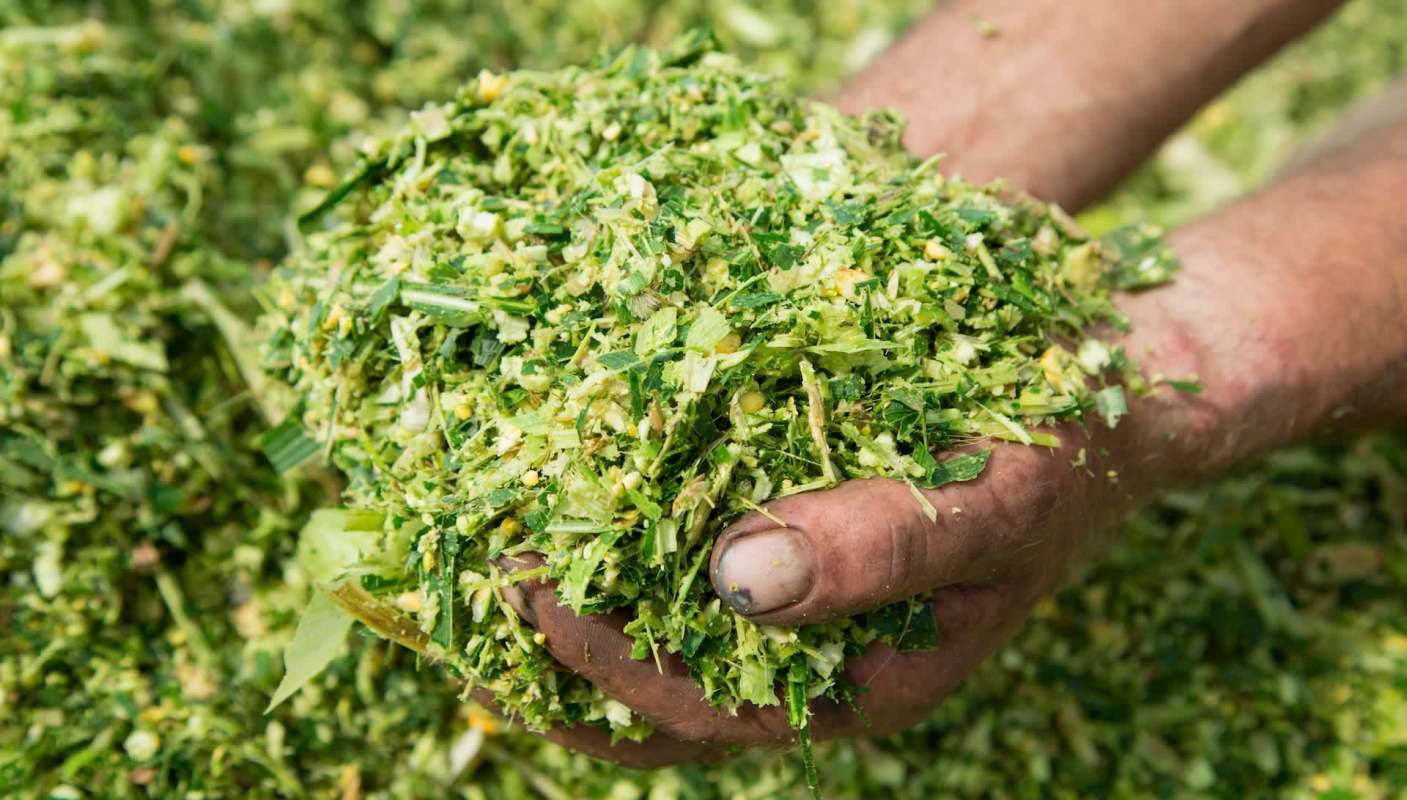
As the ongoing drought in the American Midwest makes it harder for cows to get enough nutrients from pastures alone, Illinois farmers are turning to alternative means of feeding their cattle, according to Oregon State University.
What's happening?
Cows typically feed on plants like the grasses that grow in pastures. During times of year when grass is not available, they rely on the types of foods that humans grow specifically for them to eat, called harvested forage.
Relying on harvested forage is much more costly and time-intensive than allowing cows to graze on pastures. As Travis Meteer, a beef extension specialist at the University of Illinois, told Brownfield Ag News, "Where we do have water, there's no better way to save about a dollar, or $1.50, per head per day by just grazing some corn stalks."
However, farmers are turning to harvested forage because not enough rain has fallen in the Midwest to maintain cows' pastures. Farmers will have to take extra steps to ensure that their cows are properly fed. "The last thing we want is to have cows with limited forage availability and limited feed, to take body condition score off going into calving season," Meteer told Brownfield.
Why is this concerning?
Nearly two-thirds of the Midwest is experiencing some level of drought, according to the U.S. Drought Monitor. The use of harvested forage in response to drought is hard on farmers' budgets, which could affect the beef industry more broadly.
Plus, when drought makes it harder for plants to grow, the impacts reverberate throughout the food chain, leaving herbivores — and the carnivores that consume them — to fight for a dwindling supply of nutrients.
TCD Picks » Quince Spotlight
💡These best-sellers from Quince deliver affordable, sustainable luxury for all




As our planet heats up, droughts are becoming more frequent and severe. Warmer temperatures increase evaporation and reduce the amount of surface water available to keep plants healthy, as the Center for Climate and Energy Solutions explained.
Increased evaporation can alter weather patterns, making storms more frequent and intense in some areas while contributing to a lack of precipitation in others, according to NASA. Areas that don't get enough rain and snow are susceptible to agricultural losses, drinking water shortages, and wildfires.
What's being done about drought?
While farmers are stocking up on harvested forage to feed their cows, scientists are experimenting with gene-editing technology to engineer drought-resistant foods like tomatoes and grains.
Meanwhile, at an individual level, people can conserve water by taking shorter showers or planting drought-resistant plants in their yards. Getting informed about the issues affecting our food supply — and advocating for an end to the use of dirty fuels — is another great way to make sure we're moving in a greener direction by reducing air pollution that heats up the planet.
|
Would you be willing to let your yard grow wild? Click your choice to see results and speak your mind. |
 I already have 😎
💰Get TCD's free newsletters for easy tips to save more, waste less, and make smarter choices — and earn up to $5,000 toward clean upgrades in TCD's exclusive Rewards Club.







