


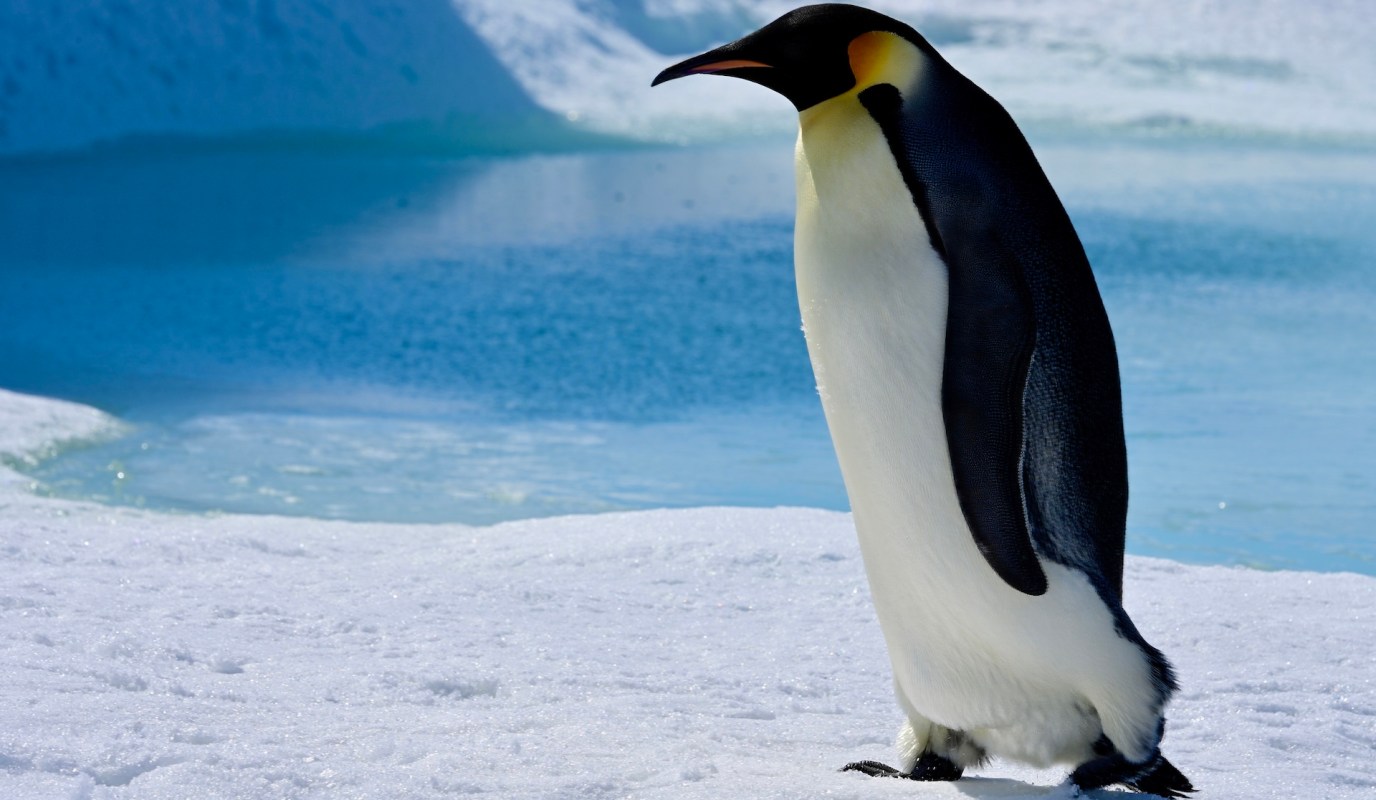
A new long-term study has revealed that emperor penguins — iconic symbols of the icy wilderness — are being forced to abandon their breeding sites as Antarctica warms.
What's happening?
According to China Daily, researchers at Sun Yat-sen University tracked penguin colonies remotely for 11 years, finding that these birds move roughly 73 meters (240 feet) for every 1 degree Celsius (1.8 Fahrenheit) increase in temperature. The study's lead author, Lin Hong, used satellite imagery to monitor "guano stains," or droppings left on sea ice, which serve as visible evidence of colony locations.
The data showed an alarming trend. "Some breeding sites are abandoned within three years, with penguins shifting their grounds by over 4 kilometers," said Lin. With higher temperatures, stronger storms, and less stable sea ice, emperor penguins are struggling to reproduce successfully — a pattern researchers warn could worsen as global temperatures continue to rise.
Why is this important?
These behavioral shifts go beyond penguins — they signal larger ecosystem instability that could ripple far beyond Antarctica. Emperor penguins rely on stable sea ice to raise their young, but as those ice sheets melt or break apart earlier each year, chicks are left vulnerable to drowning or starvation. Scientists warn that continued warming could push the species toward extinction within decades.
For humans, this loss represents more than a biodiversity tragedy. The Antarctic region plays a crucial role in regulating Earth's temperature and ocean circulation, meaning its disruption could accelerate global weather extremes — from rising sea levels to unseasonal storms. Each collapse of an Antarctic ecosystem weakens the planet's natural defenses against environmental instability, putting coastal communities and global food systems at further risk.
What's being done about it?
Researchers stress that rapid reduction of harmful carbon pollution is the most direct way to slow this decline. According to projections, keeping warming to 1.3 degrees Celsius (2.3 Fahrenheit) by the end of the century — achievable through clean energy transitions and strong global policy — could give penguin colonies time to adapt.
TCD Picks » Quince Spotlight
💡These best-sellers from Quince deliver affordable, sustainable luxury for all




Across the world, conservation groups are also working to protect vulnerable species through habitat monitoring and marine sanctuaries. For individuals, everyday action adds up — from cutting back on fossil fuel use to supporting renewable energy projects and conservation organizations. Safeguarding the penguins' future ultimately means safeguarding our own: a stable planet where wildlife, communities, and ecosystems can all thrive.
|
Do you think America does a good job of protecting its natural beauty? Click your choice to see results and speak your mind. |
 Definitely 👍
Join our free newsletter for good news and useful tips, and don't miss this cool list of easy ways to help yourself while helping the planet.







