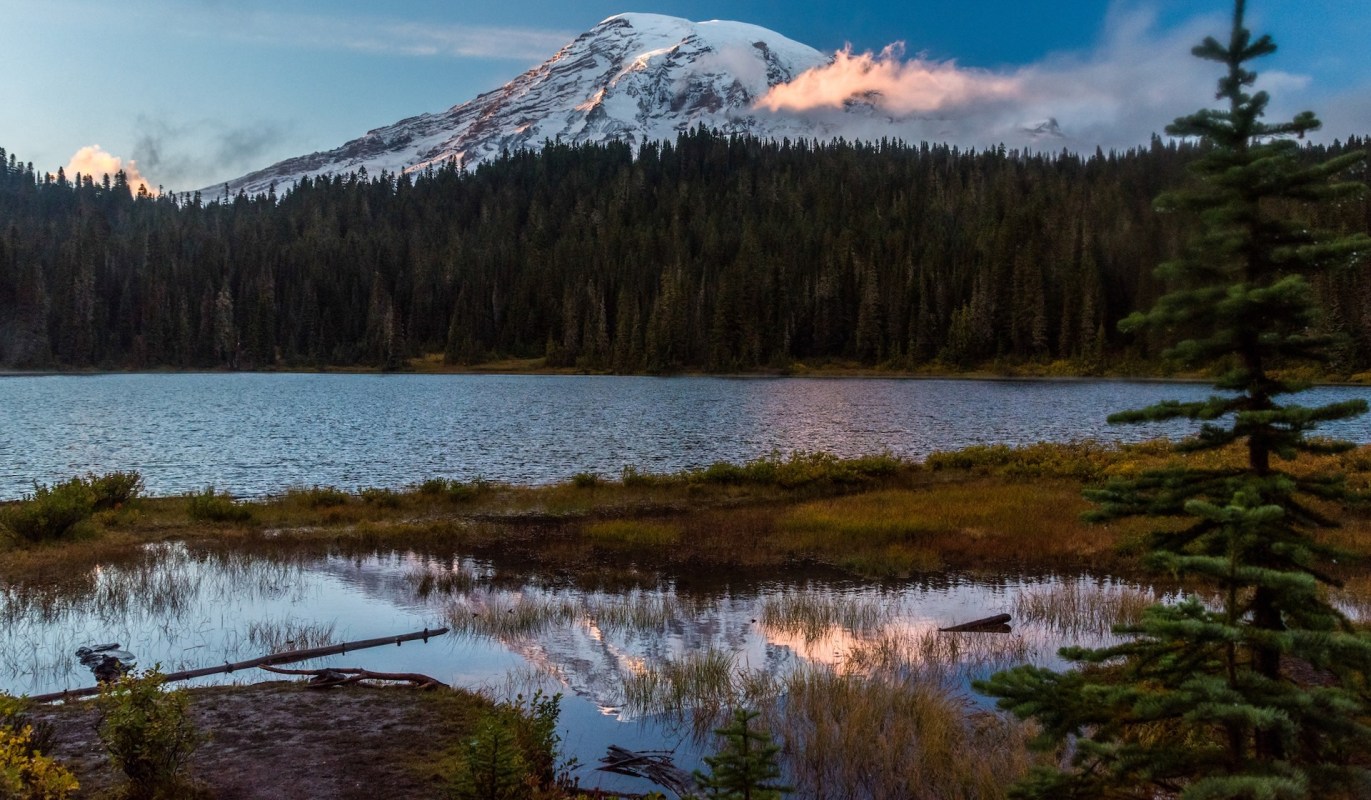
One state felt direct impact of rising global temperatures as a prolific drought wreaked havoc on local communities.
What's happening?
As The Seattle Times reported, a number of Washington cities implemented unprecedented surface water use cuts because of prolonged drought conditions throughout much of the state. This led to critically low reservoir levels, especially in areas such as the Yakima River Basin.
The Washington Department of Ecology issued a halt on all surface water use for over 1,500 water rights holders throughout the Yakima Basin. These cuts included bans on irrigation and lawn watering, impacting the agriculture industry and residents in municipalities such as Yakima, Kittitas, and Roslyn.
"We have not experienced a drought like this in over 30 years, and it's forcing us to take actions we've never done before," said Ria Berns, Department of Ecology's water resources program manager. "We know that restricting water diversions will impact communities across the Yakima Basin, but this is a necessary step to protect water for fish and senior water rights in the face of continued drought conditions."
The restrictions lasted from Oct. 6 through the end of last month.
Why is the drought in Washington important?
According to data from the U.S. Drought Monitor, nearly all of Washington is experiencing at least abnormally dry conditions. This includes almost two-thirds of the state mired in a severe drought, including the Yakima River Basin, which spans 6,100 miles.
TCD Picks » Quince Spotlight
💡These best-sellers from Quince deliver affordable, sustainable luxury for all




While a handful of rain events in October lessened the extent of the drought in some areas, water supply levels have yet to return to normal. Though Washington has experienced drought conditions for three straight years, this marked the first time that the Department of Ecology issued such a widespread surface water shutdown.
As carbon pollution continues to climb, so do temperatures across the globe. These dramatically higher readings have disrupted historic weather patterns, leading to less rain and more dry periods in some areas. In other regions, communities have experienced an increase in severe storms and extreme rainfall.
What's being done about the prolonged drought?
While the historic drought triggered unprecedented measures, residential drinking water was not affected since most cities are switching to alternative water sources.
However, as the drought shows no signs of alleviating, communities are bracing for more of the same in 2026. This includes the city of Roslyn. Though it adhered to the water cut, it still lacks a solid backup plan for future water supply alternatives.
"I'll be honest with you: We don't have one," Mayor Jeff Adams said. He suggested that the city will likely turn to drilling wells if drought conditions continue.
"This isn't to be ignored," Adams added. "This is to be taken seriously."
|
Do you feel safe drinking the tap water where you live? Click your choice to see results and speak your mind. |
 Always 👍
Join our free newsletter for good news and useful tips, and don't miss this cool list of easy ways to help yourself while helping the planet.