


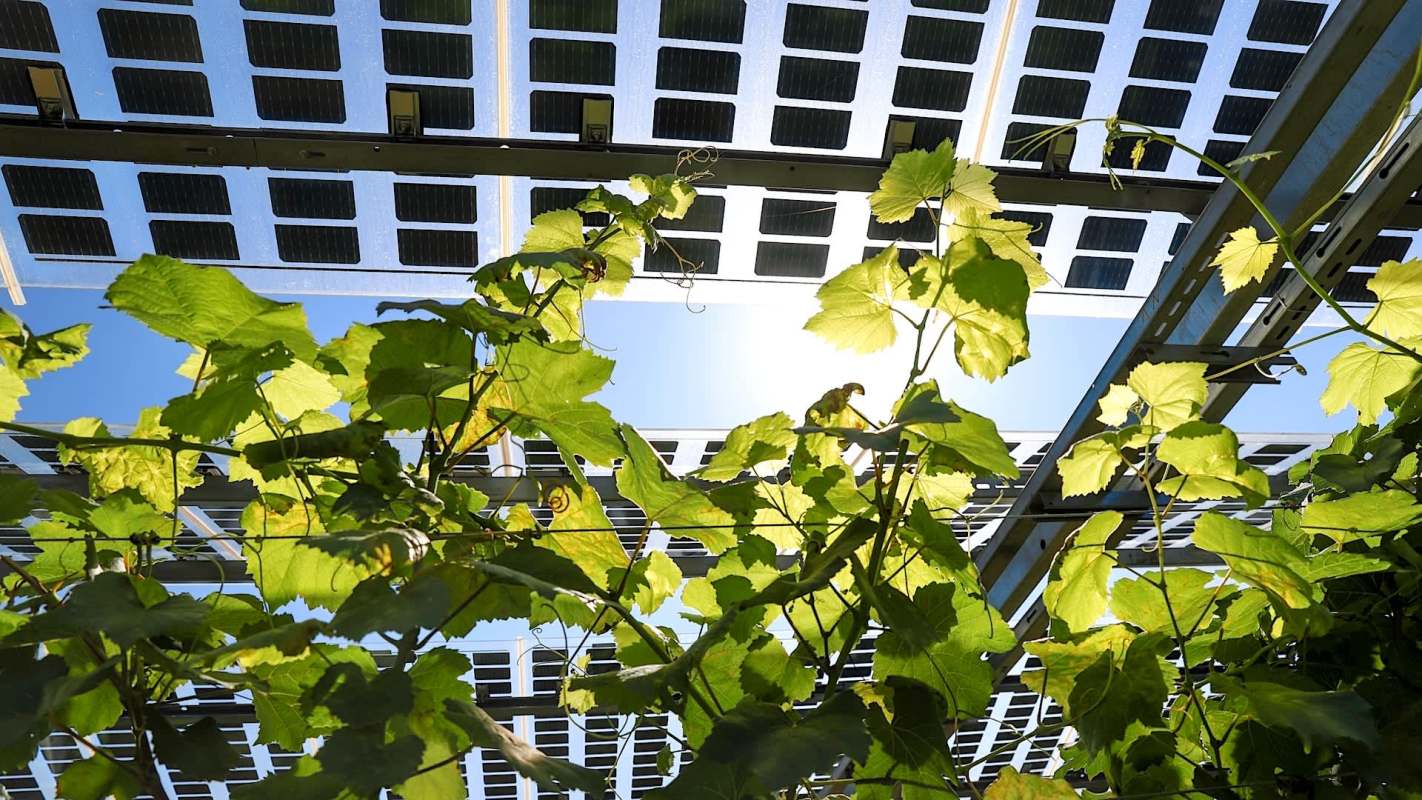
Farmers and solar companies in the Midwest are collaborating on agrivoltaics projects, which combine agriculture and solar energy generation.
This farming method is gaining popularity as a means to conserve resources, diversify revenue streams, and reduce energy consumption.
As KBIA radio station reported, one such farmer is Linda Hezel, who grows herbs, vegetables, and produce on her farm in Kearney, Missouri, under a ground-mounted solar array that helps protect the crops from summer heatwaves.
After harvesting the produce, she sells it to restaurants in Kansas City, providing customers with an authentic farm-to-table experience.
While the agrivoltaics setup allows Hezel to grow crops that otherwise wouldn't survive the extreme summer heat, she is no stranger to crop failures.
KBIA explained that the farmer experienced a poor harvest during the severe 2012 drought, which led her to start growing tomatoes, beans, and other crops under a pine tree.
TCD Picks » Quince Spotlight
💡These best-sellers from Quince deliver affordable, sustainable luxury for all




"I have observed over the 30 years here, the heating of this landscape is making it more difficult for some plants to thrive and even survive," she said.
With the solar array — which includes 18 panels, raised eight feet off the ground — she can now enjoy healthier harvests and mitigate some of the negative impacts of rising global temperatures.
Other farmers across the Midwest have found that partnering with solar companies is a mutually beneficial arrangement for both parties, allowing farmers to grow crops on company land in exchange for free vegetation management.
First-generation farmers, such as KaZoua Berry, often lack access to the land necessary to earn a decent income from farming, making it challenging for them to establish their careers.
|
Would you rather sign up for community solar, or install panels on your home?
Click your choice to see results and speak your mind. |
 I want panels 🏠
 Berry grew up planting and harvesting food with her family at a rented community garden and is now the farm director for the Minnesota-based nonprofit The Food Group.
The organization helps small-scale farmers get started in the industry. Despite extensive training, it's often tough to find the land and resources to get the ball rolling.
She's found a solution, however, by partnering with US Solar — a local solar company — which is running test pilots of long-term farming leases on plots of land on community solar farms.
The up-and-coming farmers can grow their crops in the shade of the solar panels between the rows, free of charge.
Meanwhile, the company doesn't have to worry about paying to mow the grass between the rows or keeping a close eye on any malfunctions with the panels, as Berry and her fellow farmers take care of the land management and monitor the arrays for potential issues.
Five farmers now grow food at the solar site, and Peter Schmitt, US Solar's director of project management, believes the agrivoltaics model will be a game-changer for rural towns that are often hesitant to embrace solar farms due to concerns about losing fertile agricultural land.
The company also plants native flowers and grasses beneath the panels to welcome pollinators and allows farmers to let their sheep graze on some of the plots. In both cases, it benefits biodiversity and ensures the land is utilized effectively.
Stacie Peterson, executive director of the American Solar Grazing Association, told KBIA that "solar grazers" have become a growing trend with farmers seeking to boost their income without having to invest in large tracts of land.
As for Berry and her farmer trainees, they have seen great success with the agrivoltaics setup, finding that the crops are growing much better beneath the shade of the panels.
"That was a really cool moment of like, OK, we're going somewhere with this," Berry told KBIA.
The radio station explained that many of the emerging farmers in The Food Group's programs lack affordable and stable places to grow crops. However, partnerships between solar companies and farmers could open up numerous new opportunities and change the future of both cleaner energy generation and agriculture.
"It should be a human right to be able to grow food," Berry said. "They just need the resources."

Join our free newsletter for easy tips to save more and waste less, and don't miss this cool list of easy ways to help yourself while helping the planet.







