


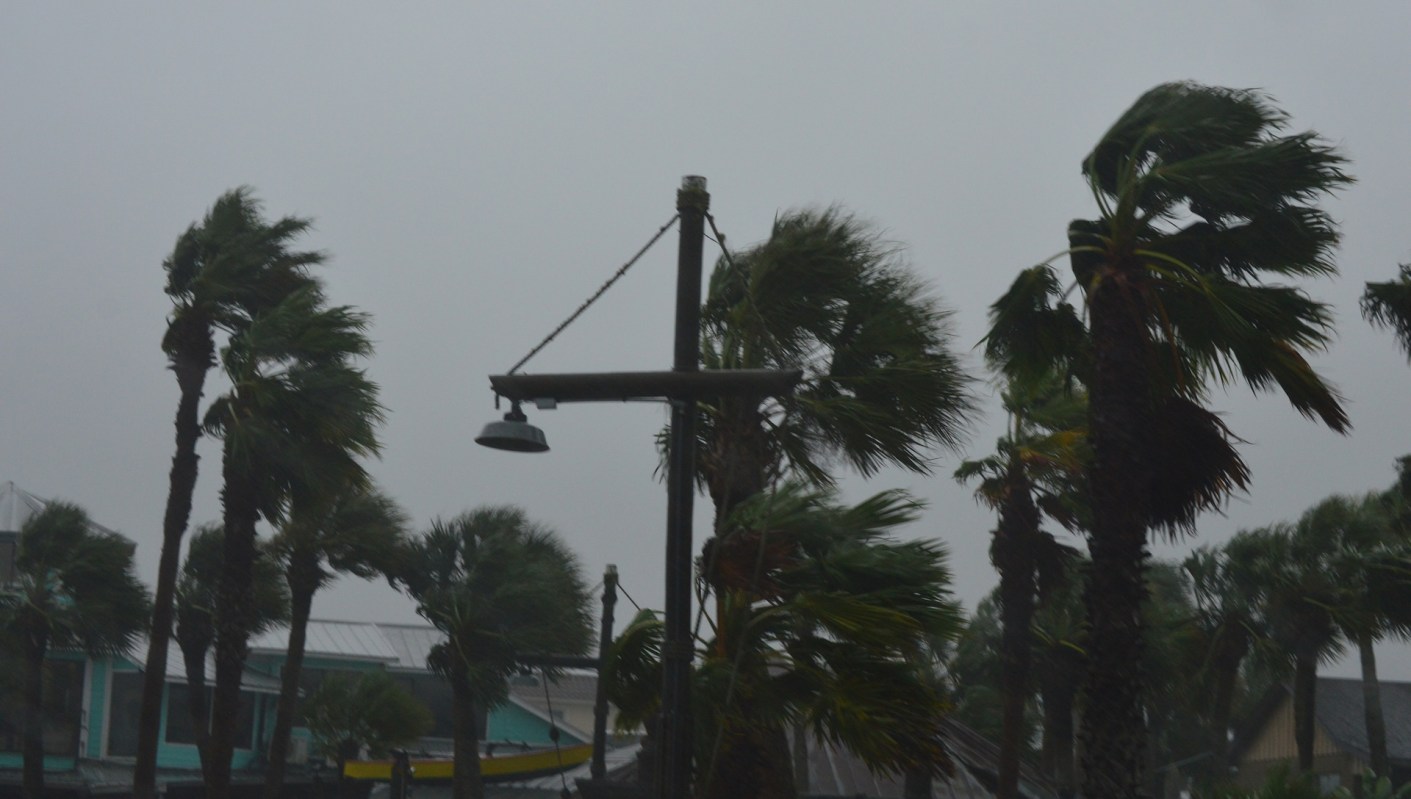
Nearly two weeks after Hurricane Melissa made landfall in Jamaica, much of the island nation remained without power, according to The New York Times.
However, a steady shift toward solar panels proved invaluable to many Jamaicans in the wake of the devastation, and the paper profiled how these early adopters inadvertently served as an example of resilient energy infrastructure for other hurricane-prone regions.
Hurricane Melissa struck Jamaica on Oct. 28 as a Category 5 storm, causing extensive flooding and winds topping 185 miles per hour. More than 530,000 residents lost power, according to NBC News, or about 77% of the population.
Efforts to restore power were hampered by "a very lengthy, complex, and expensive [energy] infrastructure," according to David Gumbs, former CEO of the Anguilla Electricity Company.
But retiree Jennifer Hue, who lives near "hard-hit Treasure Beach," never lost power.
Despite waking up to "devastation" when Melissa's high winds and rain died down, Hue — who installed solar panels about two years prior — was able to assist neighbors, providing cold drinks, charging access, and a way for people to communicate with worried loved ones.
TCD Picks » Quince Spotlight
💡These best-sellers from Quince deliver affordable, sustainable luxury for all




According to the Times, Jamaica's share of renewable energy leapt from 1.4 megawatts in 2015 to almost 65 megawatts in 2023. The shift was especially significant as Jamaica's fossil fuels are imported by ship, and intensifying extreme weather leaves the nation ever more vulnerable.
Two and a half years ago, Annabelle Todd spent $30,000 on solar panels for the villa she manages near Treasure Beach, and she also never lost power, "much to the envy of her neighbors."
Todd stated that she previously paid up to $1,000 a month for electricity, adding that the investment had basically paid for itself before the storm hit. She was one of a few who said solar's near-$0 costs were only part of the equation.
"Now, everyone who runs villas here wants solar. I already see solar suppliers driving up and down Treasure Beach. They got hit two years in a row, and they're not going to fool around anymore," Todd said.
|
What's the biggest thing stopping you from going solar? Click your choice to see results and speak your mind. |
 The cost 💵
 Jason Robinson runs Solar Buzz in Kingston, and he acknowledged that high winds can damage solar installations, though none of his "nearly 300" customers reported significant issues with their panels.
He also observed that disaster resiliency had begun to outpace lower utility bills as a factor in Jamaica's solar market.
"Resiliency is becoming even more important than lowering your bill," Robinson remarked.

Join our free newsletter for weekly updates on the latest innovations improving our lives and shaping our future, and don't miss this cool list of easy ways to help yourself while helping the planet.






