
A new study from the environmental group Greenpeace found high levels of "forever chemicals" in a number of animals in the Baltic Sea that are commonly eaten by people.
What's happening?
The research found per- and polyfluoroalkyl substances, commonly known as PFAS, in edible fish, crabs, and mussels from the North and Baltic seas. Some of the seafood samples collected from German North Sea waters and the Baltic Sea had PFAS concentrations that were nearly nine times above current EU limits on the weekly intake recommendations for adults, according to TVP World, which summarized the study.
Why is this study important?
PFAS refers to a group of around 15,000 compounds that have been linked to health issues like decreased fertility, increased risk of some cancers, and reduced ability of the body's immune system to fight infection in humans, according to the U.S. Environmental Protection Agency. These chemicals have been used in everyday products such as non-stick cookware and water-resistant clothing, as well as in firefighting foams, for decades.
"Because these substances do not break down readily in the environment, there is growing concern about their accumulation in ecosystems and the potential long-term impacts on environmental and human health," TVP World stated.
A number of other studies have discovered PFAS at alarmingly high levels in large bodies of water as well as in residential drinking systems. For instance, one New Mexico lake recently set a world record for the highest concentrations of these chemicals. Scientists there are worried about how this might impact hunters and anglers who may have ingested meat from animals that live at or visit the lake.
Scientists are also worried about the possible health impacts of PFAS on wildlife. One Australia-based study found that freshwater turtles collected from three different sites accumulated PFAS in a number of organs and passed these chemicals on to their offspring — lab hatchlings were born with high levels of PFAS in their bodies and a "concerning" level of deformities.
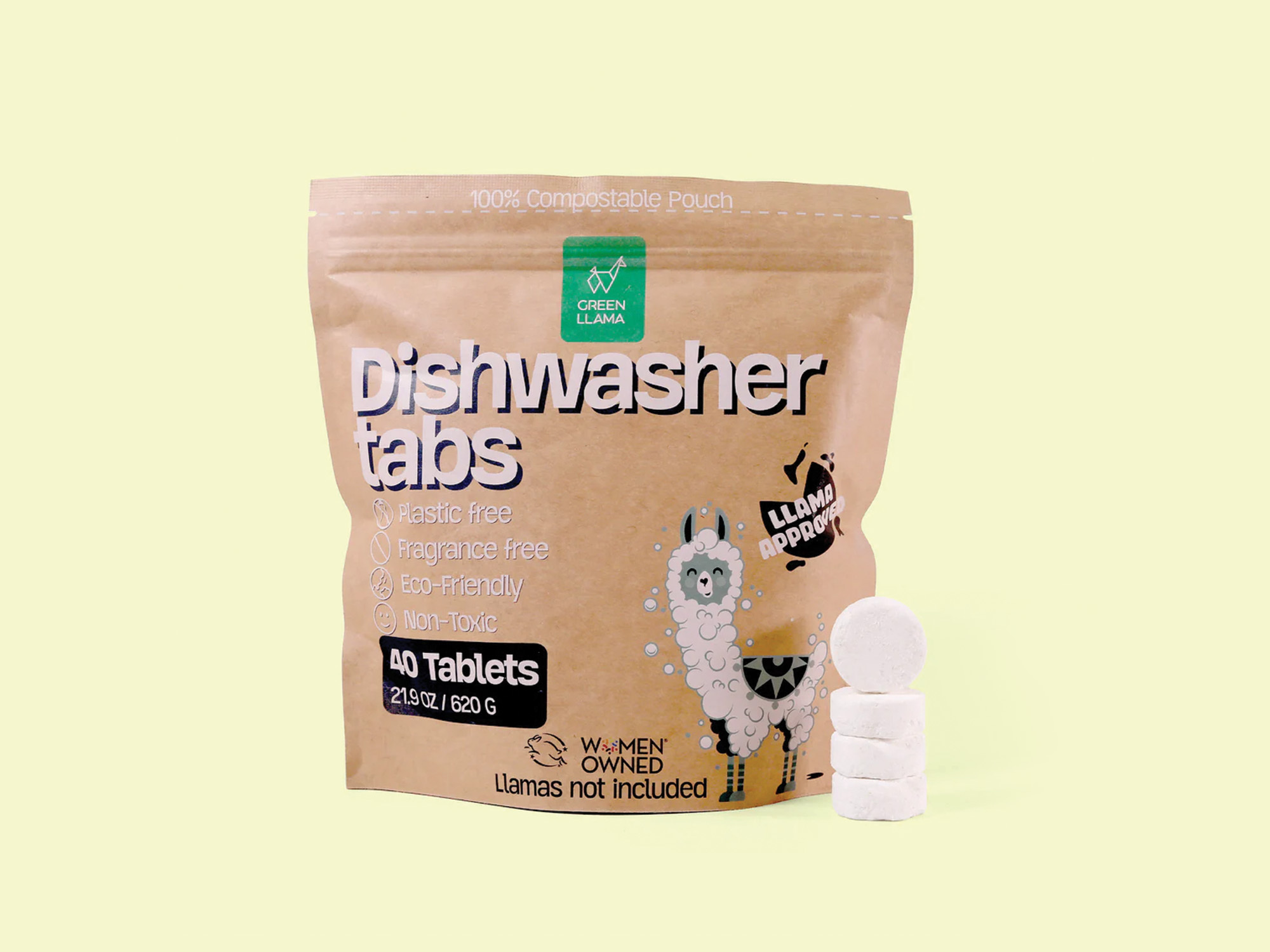
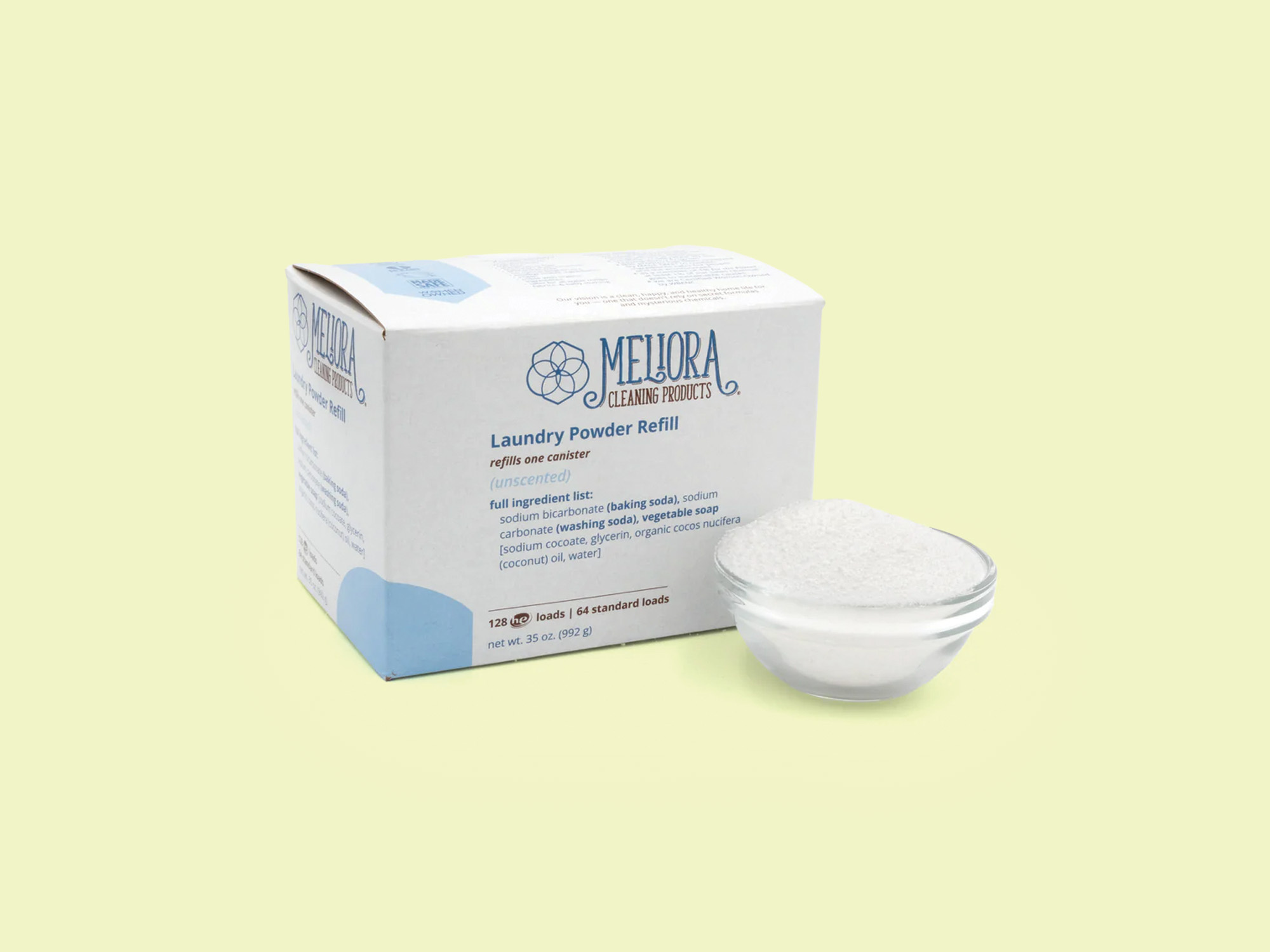
TCD Picks » Good Store Spotlight
Get 10% off your next purchase with code TCD10


What's being done about PFAS?
Scientists are working on new methods to break down PFAS in water. For instance, a team from the University of Illinois found a way to remove the full spectrum of PFAS from water in a single process. Scientists at the University of Rochester are doing similar work.
Although it's probably impossible to completely eliminate PFAS from your life, you can help protect yourself from these chemicals by opting for PFAS-free brands. You can also limit your exposure by opting for nonstick cookware and limiting your purchases of stain- or water-resistant clothing.
|
Do you worry about having toxic forever chemicals in your home?
Click your choice to see results and speak your mind. |
 Majorly 😥
Join our free newsletter for easy tips to save more and waste less, and don't miss this cool list of easy ways to help yourself while helping the planet.