


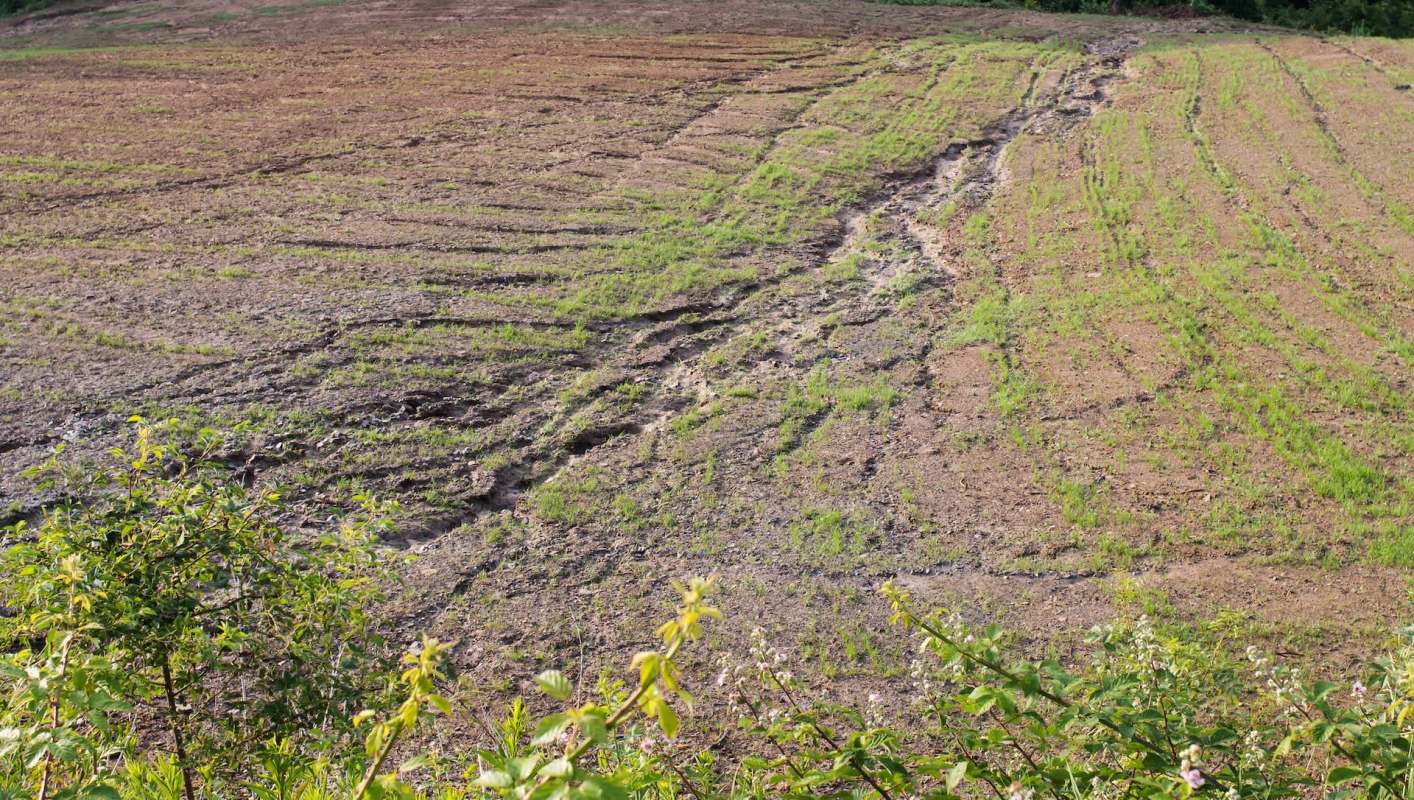
Recent research is showing that increased spread of diseases is costing the agricultural industry billions of dollars, according to The Weather Network.
What's happening?
A study of wheat producers across America and Canada has shown that pathogens have cost farmers $2.9 billion in losses during a four-year period.
The paper identified head blight as the number one culprit of crop loss, followed by stripe rust and leaf rust. Nearly 30 diseases were to blame for the losses.
Why are wheat yields important?
Increasingly destructive weather patterns like floods and heat waves are placing outsized pressure on farmers.
The added heat and humidity of these trends can wildly increase the spread of fungal infections. These challenges can destabilize food security and raise prices in the grocery store.
Just as climate shifts can exacerbate the spread of fungal infections, they can also increase the spread of invasive species that have access to new habitats and longer reproduction windows. These invasives, which include crop-ruining pests, can incur hundreds of billions of dollars worth of economic costs every year.
TCD Picks » Quince Spotlight
💡These best-sellers from Quince deliver affordable, sustainable luxury for all




What's being done about wheat yields?
Luckily, some solutions are emerging in the lab. Other researchers have been able to zero in on the problem protein in head blight, which could lead to an effective fungicide to protect wheat crops.
Others have developed an early warning system for rust infections. Some researchers have found potential genetic modification to protect wheat against another infection called blast.
While climate threats loom for much of the world's farmers, Canada has been able to see some potential opportunity at the same time.
"The impacts of climate change will not be uniform across Canada, nor will they be uniform across seasons," said the Canadian government. "In terms of production, there are likely to be opportunities, in some regions, to grow warmer-weather crops and take advantage of a longer growing season with fewer cold weather events that can damage crops."
|
What is the biggest reason you don't grow food at home? Click your choice to see results and speak your mind. |
 Not enough time ⏳
Join our free newsletter for easy tips to save more and waste less, and don't miss this cool list of easy ways to help yourself while helping the planet.







