


A Redditor's recent haul from behind several major retailers inspired conversation about the massive amount of edible food ending up in dumpsters instead of on tables.
What's happening?
The poster shared photos showing fresh produce, including bell peppers, tomatoes, avocados, and fruits, alongside packaged snacks, beverages, and other grocery items. There was a good amount of alcoholic beverages, too. All were rescued from dumpsters behind Walmart, Whole Foods, Food Lion, CVS, and Walgreens locations.

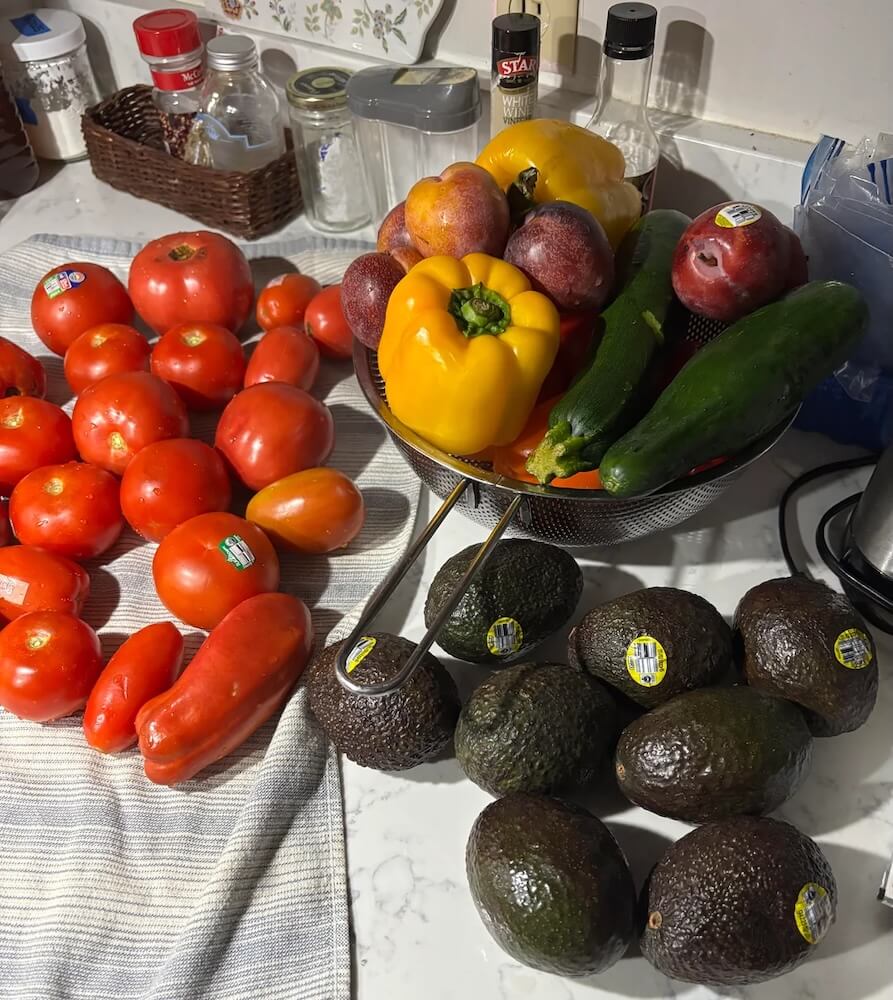
"Always such a conflicting experience because I hate the waste but love the free stuff," they wrote. "Let's just say the drinks will be greatly appreciated lol."
Most of the rescued items were heading to a local charity that provides free meals. The poster confirmed the organization knew the food's origins and had accepted it for distribution.
"Beautiful haul of veggies, fruit!" one commenter wrote. "Thanks for saving/donating!"
Why is corporate food waste a problem?
American retailers throw away billions of pounds of food annually. Much of this waste is the result of overstocking, cosmetic imperfections, or approaching sell-by dates, even when the food remains safe to eat.
TCD Picks » Quince Spotlight
💡These best-sellers from Quince deliver affordable, sustainable luxury for all




This waste fills landfills, where decomposing food releases methane, a planet-warming gas 80 times stronger than carbon dioxide. Food waste makes up 8-10% of global heat-trapping pollution.
The problem doesn't stop at environmental harm. One in 7 Americans experience food insecurity, creating a painful contrast when grocery stores discard edible items rather than redirecting them to people who need them.
Is the retail industry doing anything about this?
Many major retailers have implemented food donation programs, though the scale varies by company. Walmart, for instance, has partnerships with Feeding America and other food banks.
Whole Foods has a community giving program that connects stores with local nonprofits. However, the presence of fresh, high-quality produce in dumpsters suggests these programs don't capture all discarded food.
|
Should companies be required to help recycle their own products?
Click your choice to see results and speak your mind. |
 Definitely 👍
 Legal protections exist to encourage donations. The Bill Emerson Good Samaritan Food Donation Act protects donors from liability when they give food in good faith, but many stores still default to disposal.
What's being done about food waste more broadly?
Several states, including California, Connecticut, and Vermont, have passed laws requiring large food generators to donate excess food or compost organic waste.
Individual actions can reduce household food waste, which accounts for about 40% of all U.S. food waste. Planning meals, storing produce properly, and composting scraps keep organic matter out of landfills.
Some grocers now offer discounted "ugly" produce boxes, selling cosmetically imperfect items at reduced prices. Apps such as Too Good to Go connect consumers with restaurants and stores that sell surplus food at steep discounts, keeping it out of dumpsters while saving shoppers money.

Join our free newsletter for easy tips to save more and waste less, and don't miss this cool list of easy ways to help yourself while helping the planet.







