


When it comes to rubber mulch, what seems like a quick fix can quickly go flat. On r/landscaping, a user shared a photo of their new home's landscaping, which showed a deck surrounded by black rubber mulch and some plants. The user said there was "a weed barrier tarp beneath" the mulch and asked for advice on how to "take care of this as far as dead plant/weed debris is concerned," noting that upkeep had taken a backseat during home renovations.
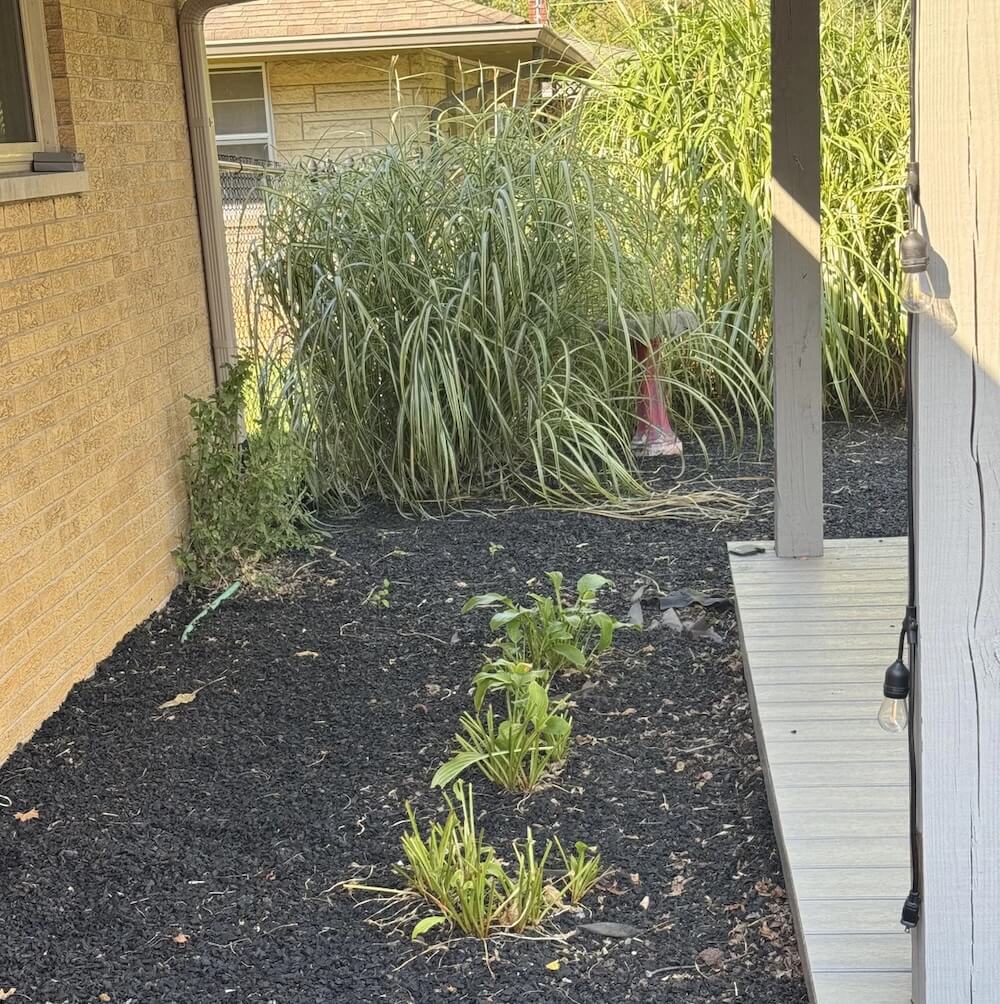
Rubber mulch, which is often marketed as a low-maintenance lawn solution, has serious drawbacks. It can heat up to dangerously high temperatures in the sun, sometimes enough to ignite spontaneously, according to Washington State University.
While rubber mulch may sometimes be made of recycled material, it is not nontoxic and contains metal and organic contaminants that are known to negatively impact human health and the environment. In high enough concentrations, the chemicals leached by rubber mulch can cause health issues that range from skin and eye irritation to organ damage, neurological harm, and even cancer and genetic mutations.
"Get rid of the rubber mulch and replace it," the top commenter wrote.
One option to replace rubber mulch is a native plant lawn, an eco-friendly and cost-effective upgrade. Native plants and groundcovers save water and also help improve the health of people and the planet instead of putting it at risk like rubber mulch.
According to the U.S. Forest Service, native plants also support pollinators, which are essential for protecting the food supply and creating more resilient local ecosystems. Even replacing part of a mulched area with native vegetation can reduce water bills and maintenance time as well as improve soil health.
TCD Picks » Quince Spotlight
💡These best-sellers from Quince deliver affordable, sustainable luxury for all




Users agreed that this homeowner should ditch the mulch for a natural option.
"It'll cause more problems than good, weeds will still grow through it, and over time it'll break into tiny flakes and be a nightmare to remove," one commenter said.
Since it is flaky, toxic, and prone to catching fire, rubber mulch proves some shortcuts just aren't worth it.
|
What's the hardest thing about taking care of your yard? Click your choice to see results and speak your mind. |
 Mowing the lawn 🏡
Join our free newsletter for easy tips to save more and waste less, and don't miss this cool list of easy ways to help yourself while helping the planet.






