


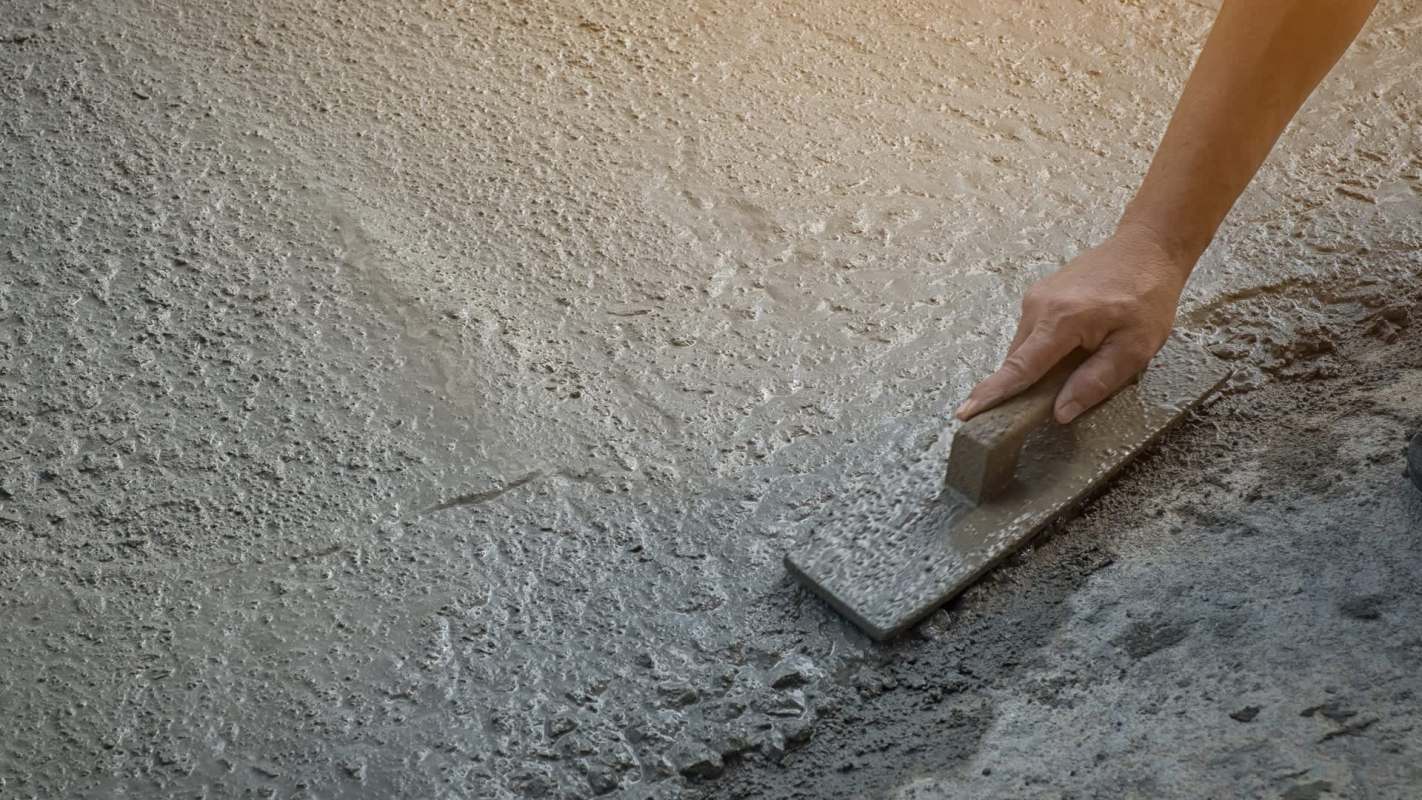
An Australian construction firm has completed testing on concrete that captures air pollution and stores it for good, reported Australian Manufacturing.
Boral ran trials using old concrete from one of its recycling operations. The company used waste gases from a cement plant to treat these recycled pieces, then added the treated material into fresh concrete mixes.
The process takes advantage of concrete's natural ability to absorb carbon over its lifespan. Boral speeds up this absorption by managing the conditions, then uses those carbon-filled materials in new building projects.
"We're proud to lead the development of utilisation pathways for recarbonated concrete aggregates," said Dr. Ali Nezhad, Boral's head of sustainability and innovation, per Australian Manufacturing.
"Its successful use not only enhances the viability of recarbonation-based carbon capture technology but also offers the potential for a further reduction in the embodied carbon of concrete by replacing natural aggregates."
Boral ran the trial at its Maldon facility using funding from the Australian government. In the test batches, carbon-treated recycled material made up 50% of what would normally be natural stone.
TCD Picks » Quince Spotlight
💡These best-sellers from Quince deliver affordable, sustainable luxury for all




Cement production creates pollution from chemical reactions during manufacturing. These reactions alone account for about 65% of all pollution from cement facilities.
"At Boral, we are committed to a lower-carbon future, and we believe recarbonation will play an important role in decarbonising the cement and concrete industry," said Vik Bansal, Boral CEO and managing director, per Australian Manufacturing.
Bansal added that the trial results show promise for the technology's future applications.
"The successful accelerated recarbonation of recycled concrete aggregates at our CCS pilot plant at Berrima and utilization of these aggregates in concrete further reinforce the potential of this technology," he said.
|
Would you trust a home made of previously used concrete? Click your choice to see results and speak your mind. |
 Definitely 👍
 Boral is working on several approaches to cut its environmental impact. Outside of testing carbon capture methods, the company is adopting different fuels and substitute materials in its near-term operations while targeting zero net pollution by 2050.
International climate research shows concrete can soak up some of the manufacturing pollution over time. Boral's method amplifies this natural effect and channels it into producing new building materials.

Join our free newsletter for weekly updates on the latest innovations improving our lives and shaping our future, and don't miss this cool list of easy ways to help yourself while helping the planet.






